
health with coconut oil has become a recurring phrase in international lifestyle and wellness news as public interest in natural-based living continues to rise. The background of this coverage is rooted in a broader shift toward plant-derived products, traditional food ingredients, and alternative approaches to everyday well-being. Coconut oil, once viewed mainly as a regional cooking staple, is now frequently discussed in global media for its cultural relevance and expanding market presence.
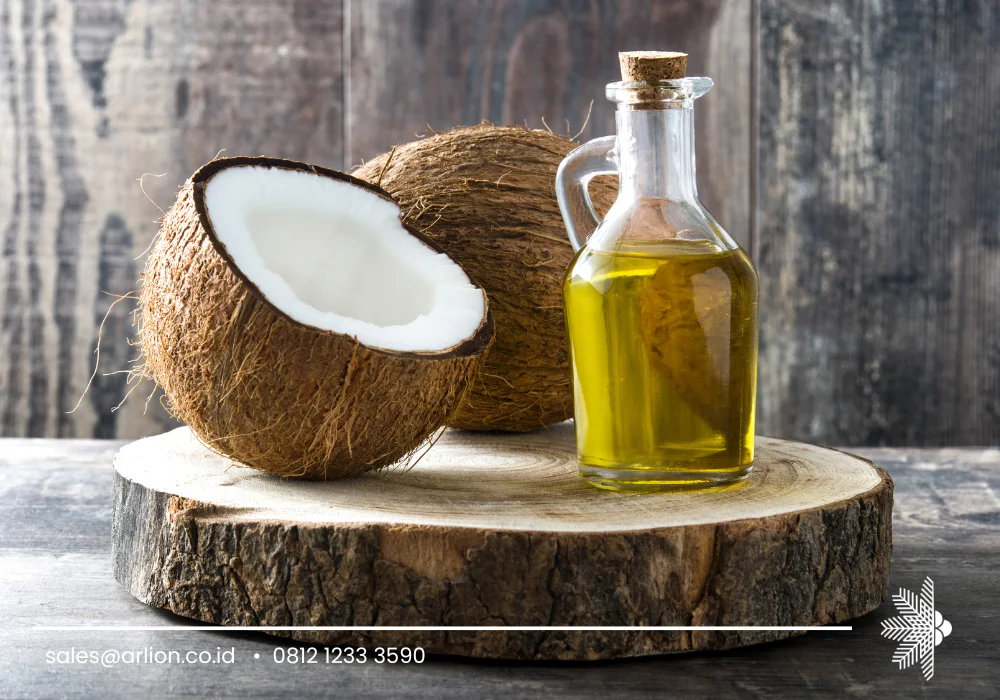
In recent years, editors and journalists have highlighted how changing consumer preferences are reshaping food and personal care industries. The renewed attention on coconut oil reflects not only curiosity about traditional ingredients, but also a desire for simpler, less processed options in modern life, health with coconut oil.
The Rise of Coconut Oil in Lifestyle Reporting
News outlets covering health and lifestyle trends have increasingly featured coconut oil as part of discussions on natural products. Reports often describe how coconut oil has crossed cultural boundaries, moving from household kitchens in tropical regions to shelves in supermarkets worldwide.
This rise is linked to growing awareness of sustainability, local sourcing, and plant-based consumption. Media coverage often frames coconut oil as a symbol of this transition, representing how traditional resources can gain new relevance in contemporary markets.
Historical Context and Traditional Use
Journalistic features frequently note that coconut oil has been used for generations in various cultures. In Southeast Asia, the Pacific Islands, and parts of South Asia, coconut oil has long been valued for cooking, skincare, and household needs. Modern reporting revisits these traditions, presenting them as background context rather than novelty.
By connecting present-day interest to historical use, media narratives help audiences understand why health with coconut oil has become a topic of discussion rather than a sudden trend, health with coconut oil.
Market Growth and Industry Response
The increased visibility of coconut oil in news coverage has had a direct impact on the global market. Industry analysts cited in reports point to rising demand across food, cosmetic, and wellness sectors. Producers are responding by improving processing standards, packaging, and transparency in sourcing.
Manufacturers often emphasize quality indicators such as extraction methods and origin, reflecting consumer expectations shaped by media narratives. While companies are careful to comply with regulations on health claims, they acknowledge that public curiosity has driven product innovation.
Export Trends and Global Trade
From a business news perspective, coconut oil has become an important export commodity for several producing countries. Articles covering trade developments highlight how smallholder farmers and cooperatives are increasingly connected to international supply chains.
This economic angle adds depth to lifestyle reporting, showing that discussions around health with coconut oil are also linked to livelihoods, rural development, and sustainable agriculture.
Media Balance Between Trend and Evidence
Responsible journalism plays a key role in shaping how coconut oil is perceived. Many articles balance popular interest with expert commentary, ensuring that readers receive context rather than promotion. Nutrition experts quoted in news stories often stress moderation and the importance of overall dietary patterns.
Rather than focusing on claims, reporters tend to explore why consumers are drawn to natural oils and how these preferences reflect broader societal shifts. This approach keeps coverage informative while avoiding sensationalism.
Role of Experts in News Coverage
Dietitians, researchers, and food scientists frequently appear in articles discussing coconut oil. Their insights help frame the conversation around health with coconut oil as part of an evolving understanding of fats, food choices, and lifestyle habits.
This expert involvement reinforces credibility and encourages readers to approach trends thoughtfully rather than impulsively.
Social Media Influence on News Narratives
Social media has amplified interest in coconut oil, often serving as a starting point for mainstream coverage. Viral content, influencer routines, and personal stories shared online are frequently referenced by journalists analyzing why certain topics gain traction.
Media reports note that while social platforms accelerate visibility, traditional journalism provides necessary context. This interaction between digital culture and professional reporting shapes public understanding of emerging lifestyle topics.
Consumer Awareness and Informed Choices
Alongside popularity, news articles increasingly emphasize consumer education. Readers are encouraged to look beyond headlines and consider factors such as sourcing, processing, and suitability to individual needs.
This shift reflects a more mature stage in trend reporting, where audiences are seen as active decision-makers rather than passive followers. As a result, discussions about health with coconut oil are framed within broader conversations about informed consumption.
Future Directions in Lifestyle Journalism
Looking ahead, analysts predict that coconut oil will remain part of wellness reporting, but with greater emphasis on sustainability and ethics. Future articles may focus more on environmental impact, fair trade practices, and innovation in coconut-based products.
This evolving narrative suggests that coconut oil will continue to be relevant, not just as a trend, but as part of long-term discussions about responsible living and global food systems.
Conclusion
The prominence of coconut oil in news coverage highlights how traditional ingredients can find renewed significance in modern society. Driven by cultural history, market growth, and media influence, the topic reflects changing attitudes toward natural products. As reporting continues to evolve, readers can expect more balanced and contextual discussions around health with coconut oil.
For further information, you may contact WhatsApp at (+62) 812-1233-3590 or via email at sales@arlion.co.id.