
Introduction to Coir Fiber for Soil Improvement
The use of coir fiber for soil improvement has gained increasing attention in recent years, especially in the fields of agriculture, landscaping, and land rehabilitation. Derived from the outer husk of coconuts, coir fiber is a natural, biodegradable material that offers excellent benefits for enhancing soil quality and promoting sustainable land use practices. With growing awareness of environmental concerns, coir fiber is being recognized as a reliable and eco-friendly solution for improving soil structure and fertility.
Understanding Coir Fiber
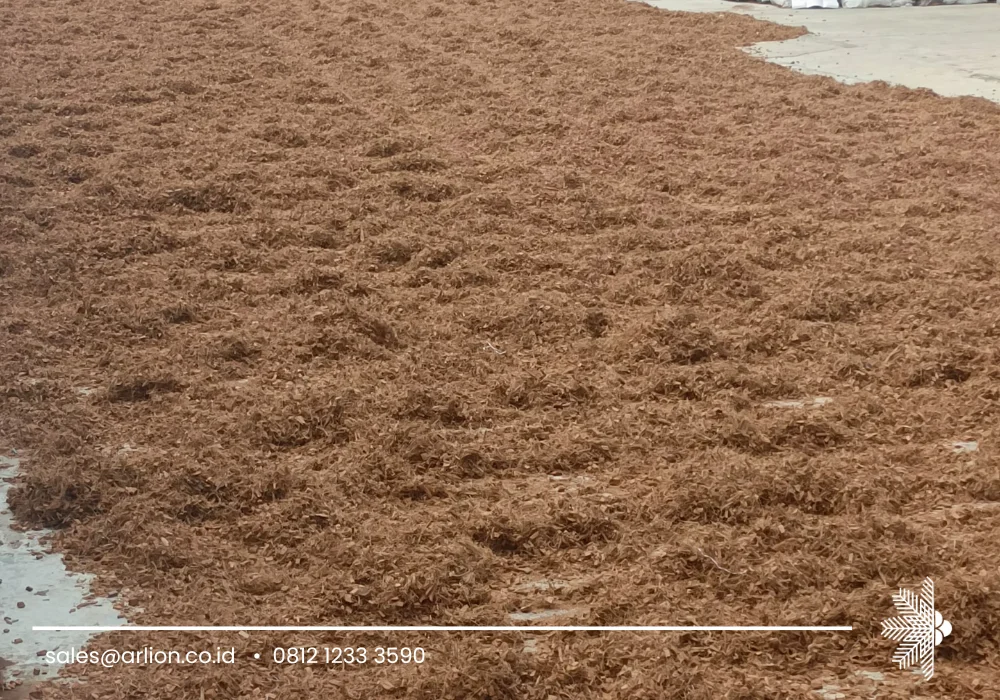
Coir fiber is extracted from the coarse outer layer of coconuts and is known for its strength, water retention capabilities, and durability. Unlike synthetic fibers, coir decomposes naturally and adds organic matter to the soil. It is typically used in various forms such as mats, blankets, ropes, or loose fibers, depending on its application.
One of the key advantages of using coir fiber for soil improvement is its ability to retain water while maintaining good aeration. This makes it an ideal component for regions with dry or degraded soil, where moisture conservation is critical.
Benefits of Coir Fiber for Soil Enhancement
1. Water Retention and Drainage
Coir fiber has a unique structure that allows it to absorb and hold water effectively. This helps in maintaining consistent soil moisture, reducing the frequency of irrigation, and protecting plants from drought stress. At the same time, it ensures adequate drainage, preventing root rot and waterlogging.
- Enhances root development
- Reduces surface runoff and erosion
- Improves soil porosity
These properties make coir fiber for soil improvement especially useful in arid or sandy regions where water conservation is essential.
2. Soil Structure and Aeration
When mixed with soil, coir fiber helps in loosening compacted soils and improving aeration. Better aeration promotes microbial activity and root penetration, leading to healthier plant growth.
- Encourages biological activity in soil
- Breaks down into nutrient-rich humus over time
- Prevents compaction in heavy clay soils
By enhancing the physical structure of soil, coir contributes to long-term soil fertility and sustainability.
3. Erosion Control and Stabilization
Coir mats and geotextiles are widely used to control erosion on slopes, riverbanks, and construction sites. When placed over loose soil, these materials provide a protective barrier against wind and water erosion, while allowing vegetation to take root.
- Reduces sediment displacement
- Promotes revegetation on degraded land
- Biodegrades naturally, enriching the soil
Using coir fiber for soil improvement in such areas not only protects the land but also helps in ecological restoration.
4. Organic and Sustainable
As a byproduct of coconut processing, coir fiber is renewable and environmentally safe. It does not introduce harmful chemicals into the soil, making it suitable for organic farming and eco-sensitive areas.
- Fully biodegradable
- Renewable resource
- Safe for all types of crops
These advantages align with modern sustainable agriculture practices that emphasize natural inputs and reduced chemical use.
Applications in Agriculture and Landscaping

Coir fiber can be applied in various ways depending on the specific needs of the land or crop:
- Mulching Material: Coir mats reduce evaporation and weed growth while improving soil temperature regulation.
- Growing Medium: Blended with other components like compost or peat moss, coir makes an excellent soil substitute in nurseries and hydroponics.
- Soil Amendment: Mixed directly into soil, it enhances moisture retention, nutrient availability, and aeration.
- Green Infrastructure Projects: Ideal for urban green spaces, parks, and roadsides to support soil stabilization and plant establishment.
The adaptability of coir fiber for soil improvement makes it a preferred material in both small-scale gardening and large-scale agricultural projects.
Environmental Impact and Future Potential
As concerns about soil degradation and sustainability continue to grow, natural solutions like coir fiber are becoming increasingly important. Unlike synthetic alternatives that can leave long-term pollutants in the soil, coir provides an eco-friendly method of improving soil health and productivity.
Moreover, coir fiber supports circular economy principles by utilizing agricultural waste and converting it into a valuable input for land and environmental management.
Conclusion
Using coir fiber for soil improvement is a practical and sustainable approach to addressing challenges related to soil quality, erosion, and water management. Its natural properties make it effective in enhancing soil conditions while promoting environmental conservation. Whether used in agriculture, landscaping, or ecological restoration, coir fiber provides a renewable and biodegradable option for improving soil health across diverse applications.
For more information, feel free to contact us via WhatsApp at (+62) 812-1233-3590 or email us at sales@arlion.co.id.