
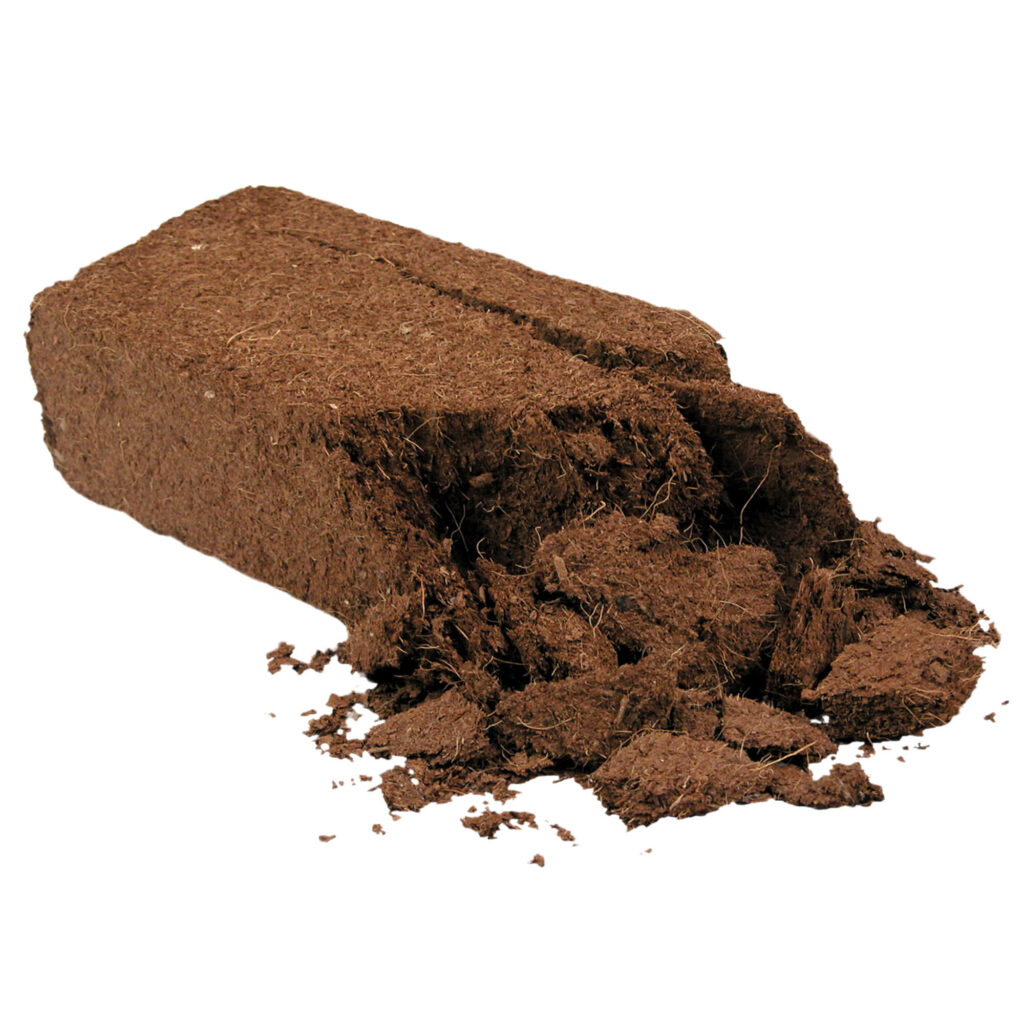
In today’s era, coco peat block is often misused. In other words, this improper use makes coco peat, not an eco-friendly and sustainable gardening solution. But this is still the best gardening material for a sustainable future. Coco peat is a material known as coco coir or coconut coir. This is a natural by-product that is present and derived from the processing of husks. Coco peat is usually made of 2 main components, namely coconut fiber and fine coir dust, which will be proper.
The use of coco peat in this garden requires little maintenance. This can then help monitor its moisture level and water the plants according to what is needed. Remember that you may need to adjust the watering schedule beforehand. Over time, the cocopeat structure may break down. And this can then reduce the aeration and water retention properties. We advise getting maximum work results and optimal growing conditions, then replacing the Cocopeat in your garden every 2-3 years.
Why Choose Coco Peat Block?
To move towards a greener and more sustainable future, it is crucial to consider the impact of farming practices on the immediate environment. With this being a versatile growing medium, you should consider the following choices of cocopeat block:
- Sustainability
Coco peat block is an eco-friendly alternative directly harvested from plant husks. It contributes to the destruction of this fragile ecosystem. Because this is a product from the coconut industry, it is perfect to be a sustainable choice for gardening.
- Improved Water Retention
Cocopeat also has excellent water-holding capacities, allowing it to retain up to 8-9 times its weight in the water. This property then reduces the need to frequent watering. This then reduces the time and effort for gardening, which would be a perfect choice.
- Aeration and drainage
The structure of the Cocopeat ensures proper aeration and drainage. Preventing the roots from becoming waterlogged with essential moisture. The characteristics possessed by the coco peat block then avoid the occurrence of root rot and can be a solution for other related diseases.
- Versatility
You can use coco peat in all growing environments. Starting from traditional grading and landscaping to hydroponics and container gardening. Their applications are unlimited, so they are sustainable solutions for growing fruits, vegetables, flowers, and ornamental plants.
- Ease of Use
Coco peat block is known as an elementary material to use. This is a material that helps to be convenient for transportation and storage. It will expand several times from the original volume, so the block produces enough material for needs.
How to Use Coco Peat Block Properly?
Now you understand why you must choose cocopeat block over other materials. Seeing the versatility and ease of use that comes with gardening purposes, you also need to know how to use them. Let’s explore guidelines for using this block material in your garden, such as:
- Prepare the Cocopeat
- Mixing with Other Growing Mediums
- Planting and Transplanting
- Fertilizing
After that, start monitoring Cocopeat requires little maintenance, and water your plants as you need. The production of Cocopeat has a lower carbon footprint than peat moss. This coco peat block industry produces a large volume of coconut and is the ideal choice for environmentally conscious.
If you interest to know more information about coconut fiber and other coconut derivative products, you can visit our website, You can also click link WhatsApp here to connect directly with us.