
The growing demand for environmentally responsible materials has transformed coconut fiber into one of the most valuable natural resources worldwide. Manufacturers across different industries increasingly replace synthetic materials with renewable alternatives that offer durability, versatility, and long-term environmental benefits. Choosing a professional Coconut Fiber Supplier ensures businesses receive consistent quality, dependable delivery schedules, and products that meet international market requirements.
Derived from coconut husks, coconut fiber is both renewable and biodegradable, making it an excellent material for companies seeking sustainable production methods. Modern processing techniques have improved fiber quality significantly, allowing manufacturers to utilize this natural resource in agriculture, furniture, automotive components, erosion control, and many other commercial applications.
Why Businesses Prefer a Professional Coconut Fiber Supplier
Working with an experienced Coconut Fiber Supplier provides advantages that extend beyond purchasing raw materials. Reliable suppliers maintain strong relationships with coconut farmers, ensuring a continuous supply of high-quality coconut husks throughout the production cycle. Stable sourcing allows manufacturers to fulfill both small and large export orders without sacrificing consistency.
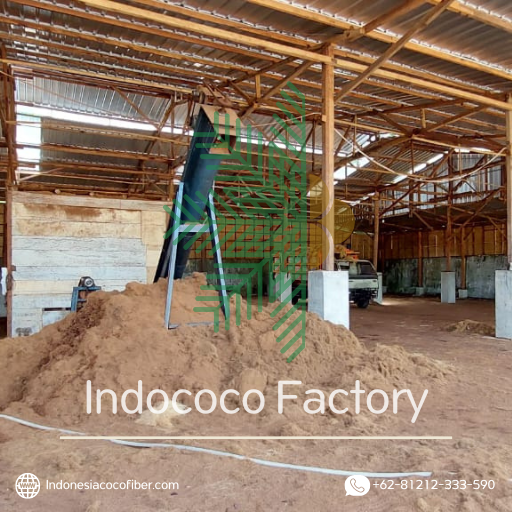
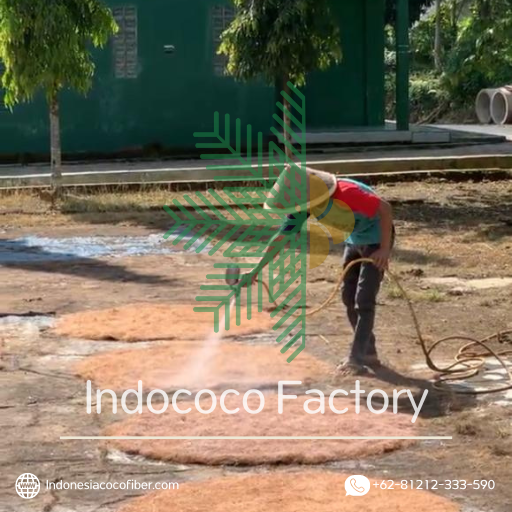
Professional suppliers also invest in advanced processing facilities that clean, separate, and grade fibers according to customer specifications. Every production stage focuses on preserving fiber strength while minimizing impurities and excess moisture. As a result, buyers receive products that perform efficiently across various manufacturing processes.
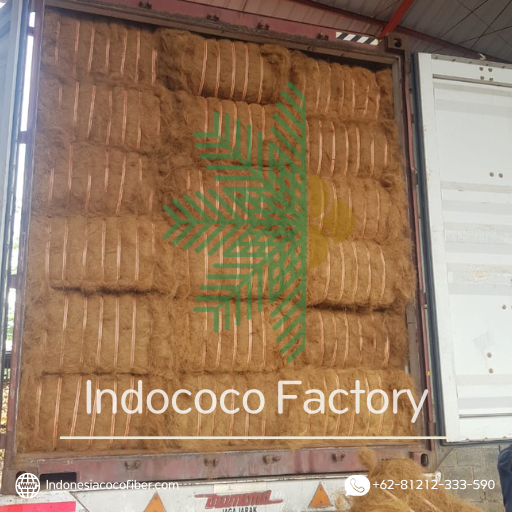
In addition, established suppliers understand international trade requirements, packaging standards, and shipping documentation. Their export experience helps customers avoid unnecessary delays while ensuring products arrive safely at their destinations. Smooth logistics become especially valuable for businesses operating under strict production schedules.
Coconut Fiber Supports Multiple Industries
One reason coconut fiber remains highly sought after is its remarkable adaptability across different industrial sectors. Its natural characteristics allow manufacturers to create products that combine durability with environmental responsibility, making coconut fiber suitable for both traditional and innovative applications.
The furniture industry frequently utilizes coconut fiber for mattresses, sofas, and upholstered seating because it provides excellent elasticity and long-lasting support. Consumers appreciate products made with natural materials that maintain comfort while reducing dependence on synthetic foam and plastic-based alternatives.
Agricultural businesses rely on coconut fiber to improve soil aeration, retain moisture, and encourage healthy root development. Farmers also use coconut fiber as mulch, planting media, and erosion control material because it naturally decomposes while enriching the surrounding environment over time.
Quality Makes the Difference
Purchasing coconut fiber supplier from a reputable guarantees consistent product quality that supports efficient manufacturing operations. Reliable suppliers implement quality control systems from raw material selection until final packaging, ensuring every shipment meets customer expectations and technical specifications.
High-quality coconut fiber should display uniform color, adequate fiber length, low contamination levels, and controlled moisture content. These characteristics simplify production while reducing material waste during processing. Consistency also allows manufacturers to maintain stable product quality across multiple production batches.
Sustainability Creates Long-Term Value
Environmental responsibility has become an essential factor influencing purchasing decisions across international markets. Coconut fiber represents an outstanding example of circular economy practices because it transforms agricultural by-products into commercially valuable industrial materials instead of allowing them to become waste.
Every coconut harvested produces husks that can be processed into durable natural fiber. This efficient resource utilization generates additional income for farming communities while reducing environmental pollution associated with agricultural waste disposal. Sustainable production therefore benefits both local economies and international industries.
Furthermore, coconut fiber naturally decomposes after completing its service life. Unlike many synthetic materials, it does not contribute to long-term environmental pollution, making it an attractive option for companies pursuing environmentally friendly manufacturing strategies and sustainable product development.
Factors to Consider Before Selecting a Supplier
Finding the right supplier requires careful evaluation of several important aspects rather than focusing exclusively on product pricing. Businesses should examine manufacturing capacity, export experience, product consistency, communication quality, and customer support before establishing long-term purchasing agreements.
A dependable supplier willingly provides detailed product specifications, packaging options, production capabilities, and shipping information. Transparent communication throughout every business stage demonstrates professionalism while reducing misunderstandings during international transactions.
Building Strong Partnerships for Future Growth
Long-term cooperation between buyers and suppliers creates mutual benefits that extend beyond individual transactions. As customer demand grows, experienced suppliers can increase production capacity while maintaining consistent quality and timely deliveries. Stable partnerships encourage continuous improvement and greater operational efficiency for both parties.
Businesses that work closely with reliable suppliers also gain valuable market insights regarding product innovations, sustainable manufacturing trends, and evolving customer expectations. These collaborative relationships strengthen competitiveness while supporting future business expansion across international markets.
Conclusion
Choosing the right Coconut Fiber Supplier is an important investment for businesses seeking premium natural materials with dependable quality and sustainable value. Professional suppliers combine reliable sourcing, advanced processing technology, strict quality control, and efficient export services to satisfy customers around the world.
As industries continue embracing renewable materials, coconut fiber will remain an essential solution for agriculture, furniture, automotive, landscaping, and manufacturing applications. Partnering with an experienced supplier allows businesses to secure consistent raw materials while contributing to a more sustainable and environmentally responsible global economy.
For further information, please contact WhatsApp (+62) 812-1233-3590 or email sales@arlion.co.id.