
Known for its distinctive aroma and smooth, sweet flavor, vanilla is one of the most valued natural ingredients in the global market. It plays an essential role in food manufacturing, beverage production, confectionery, cosmetics, and fragrance development. From traditional desserts to premium consumer products, vanilla adds a recognizable character that appeals to customers across different markets.
Vanilla comes from the pods of orchids belonging to the Vanilla genus. Producing high-quality requires careful cultivation, harvesting, curing, and storage. These processes influence its aroma, flavor profile, moisture content, and overall commercial value. As consumer interest in natural ingredients continues to grow, remains an important commodity for manufacturers seeking quality and versatility.
What Makes Vanilla a Valuable Natural Ingredient?
The value comes from its complex aroma and broad range of applications. Its characteristic scent develops through a combination of natural compounds, including vanillin. The final flavor profile depends on the variety, growing conditions, harvesting practices, and curing methods used during production.
Unlike synthetic flavoring, natural vanilla can provide a more complex sensory experience. Its aroma may include sweet, creamy, woody, and slightly smoky notes, depending on its origin and processing. These characteristics make it particularly desirable for premium products that emphasize natural ingredients and distinctive flavor.
Vanilla Applications in Food and Beverage Production
The food industry remains one of the largest markets for vanilla. Bakeries use it in cakes, cookies, pastries, and bread to create a richer aroma and balanced sweetness. Ice cream manufacturers also rely on as a primary flavor or as a supporting ingredient that complements chocolate, fruit, and caramel.
In beverage production, vanilla appears in flavored milk, coffee, tea, smoothies, and specialty drinks. Its smooth profile can balance bitterness while adding depth to a recipe. As cafés and beverage brands introduce new product variations, demand for consistent ingredients remains important.
Confectionery manufacturers incorporate vanilla into chocolate, candy, fillings, and dessert toppings. Even small quantities can influence the overall flavor of a finished product. For commercial producers, choosing the appropriate form helps maintain consistent taste across large production batches.
Different Types of Vanilla Products
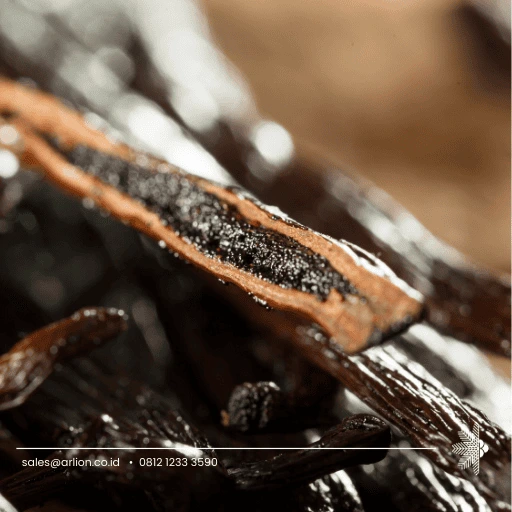
Vanilla is available in several forms, each designed for particular applications. Whole beans are popular among chefs and premium food producers because they contain aromatic seeds and offer a distinctive appearance. Their flavor develops through careful curing, making proper handling essential for preserving quality.
This product extract is commonly used in commercial kitchens and food manufacturing. It provides convenient liquid flavoring that can be measured and incorporated into recipes with relative ease. Depending on its formulation and concentration, the extract may be suitable for baking, beverages, sauces, and dessert production.
This product powder offers another practical option for dry mixes and applications where liquid ingredients are less convenient. It can be incorporated into baking blends, confectionery products, and selected beverage formulations. Manufacturers should evaluate ingredient composition and specifications before selecting a product for their production lines.
Factors That Influence Vanilla Quality
Several factors determine the quality and suitability of vanilla for commercial use. Pod maturity, cultivation conditions, harvesting techniques, and curing procedures all influence aroma development. Poor handling during these stages can reduce quality and affect the consistency of the final product.
Moisture content is another important consideration, particularly for whole vanilla beans. Excessive moisture may encourage mold growth during storage, while overly dry pods can become brittle and lose some of their desirable characteristics. Appropriate packaging and storage conditions help preserve aroma and product integrity.
For processed This product ingredients, buyers should also examine flavor strength, purity, ingredient composition, and applicable food safety documentation. Clear product specifications allow manufacturers to choose materials that meet their formulation requirements and regulatory obligations.
Sustainable Vanilla Sourcing and Supply Chains
Sustainability is becoming increasingly relevant throughout the vanilla industry. Vanilla cultivation often involves labor-intensive agricultural practices, making responsible sourcing important for both growers and buyers. Transparent purchasing relationships can support farming communities while improving traceability throughout the supply chain.
Climate conditions also influence production because vanilla orchids require suitable temperatures, moisture, and growing environments. Weather disruptions, crop diseases, and changes in cultivation costs can affect supply availability and market prices. Businesses that depend on vanilla should therefore plan procurement carefully and maintain communication with suppliers.
Responsible sourcing includes attention to farming practices, worker welfare, product traceability, and consistent quality management. These considerations help manufacturers build more resilient supply chains while responding to consumer expectations for responsibly produced ingredients.
Choosing a Reliable Vanilla Supplier
Finding a dependable supplier requires evaluating product quality, availability, documentation, and delivery capabilities. Buyers should confirm whether a supplier offers whole beans, extracts, powders, or other forms that match their intended applications. Technical specifications and product samples can help verify suitability before large orders are placed.
For international transactions, packaging and logistics are equally important. Vanilla must be protected from excessive moisture, strong odors, and unsuitable storage conditions during transportation. Reliable suppliers understand these requirements and provide appropriate packaging for the product type and destination.
Long-term partnerships can also improve procurement planning. Consistent communication regarding order volumes, production schedules, and quality standards helps manufacturers reduce supply interruptions and maintain reliable product performance.
Conclusion
Vanilla remains a valuable natural ingredient because of its distinctive aroma, versatile applications, and importance across global food and consumer product markets. From bakery products and beverages to cosmetics and fragrances, it continues to support innovation in numerous industries.
Choosing high-quality ingredients and a reliable supplier helps businesses maintain consistent results while meeting customer expectations. With responsible sourcing, careful processing, and appropriate storage, vanilla can continue delivering commercial value throughout an evolving global market.
For further information, please contact WhatsApp (+62) 812-1233-3590 or email sales@arlion.co.id.