
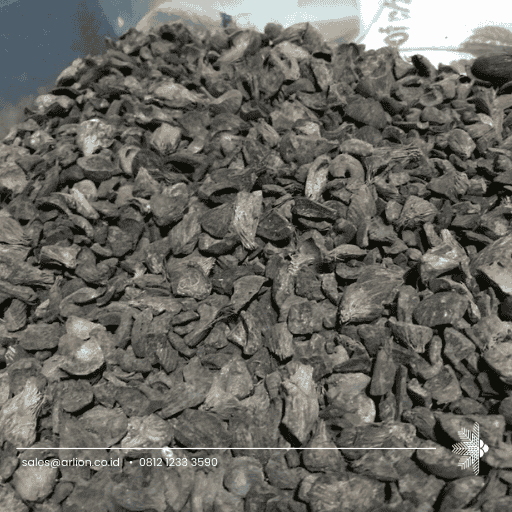
As industries continue shifting toward environmentally responsible materials, biomass resources have become increasingly valuable for energy and manufacturing. One of the most promising renewable materials is palm shells, a by-product generated during palm oil processing that offers significant commercial and industrial potential. Rather than becoming agricultural waste, these hard shells can be transformed into valuable products that support sustainable production and efficient resource utilization.
Countries with large palm cultivation areas produce substantial quantities of palm shells every year, creating a stable supply for domestic and international markets. Their high carbon content, durable structure, and renewable origin make them suitable for various applications, including biomass fuel, charcoal manufacturing, activated carbon production, and industrial heating. As global demand for cleaner alternatives continues growing, palm shells are becoming an increasingly important commodity in sustainable supply chains.
What Are Palm Shells and Why Are They Valuable?
Palm shells are the hard outer shells surrounding the kernel inside oil palm fruit. After palm oil extraction, these shells remain as a by-product that can be processed instead of being discarded. Their dense composition gives them excellent energy potential while making them useful as a raw material for several value-added industries.
Unlike many agricultural residues, palm shells contain relatively low moisture after proper drying and possess a high calorific value. These characteristics allow them to burn efficiently and generate consistent heat for industrial applications. Their natural hardness also makes them suitable for carbonization processes that produce charcoal and activated carbon products with commercial value.
Industrial Applications of Palm Shells
One of the largest markets for palm shells is biomass energy production. Industrial boilers, power plants, and manufacturing facilities utilize palm shells as a renewable fuel source because they provide stable combustion and reliable heat generation. Businesses replacing fossil fuels with biomass can improve sustainability while utilizing renewable agricultural resources.
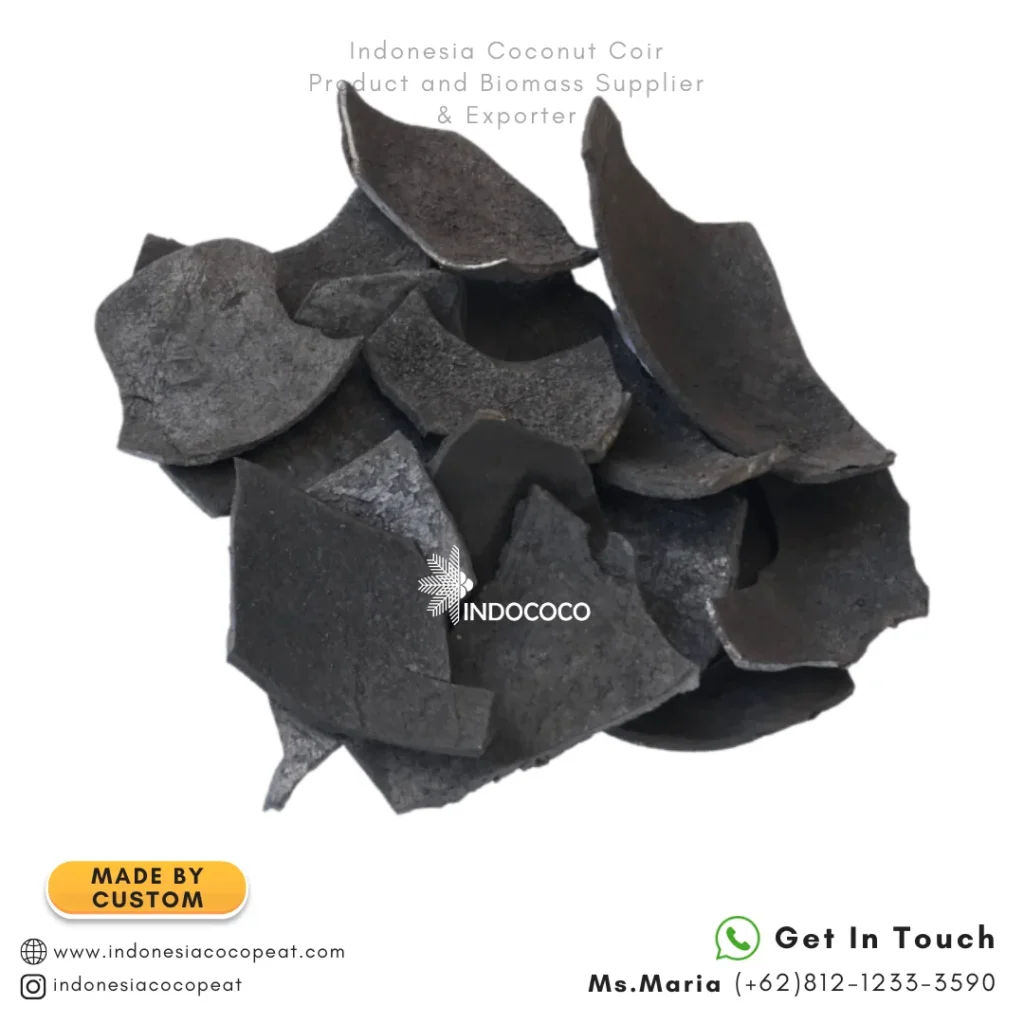
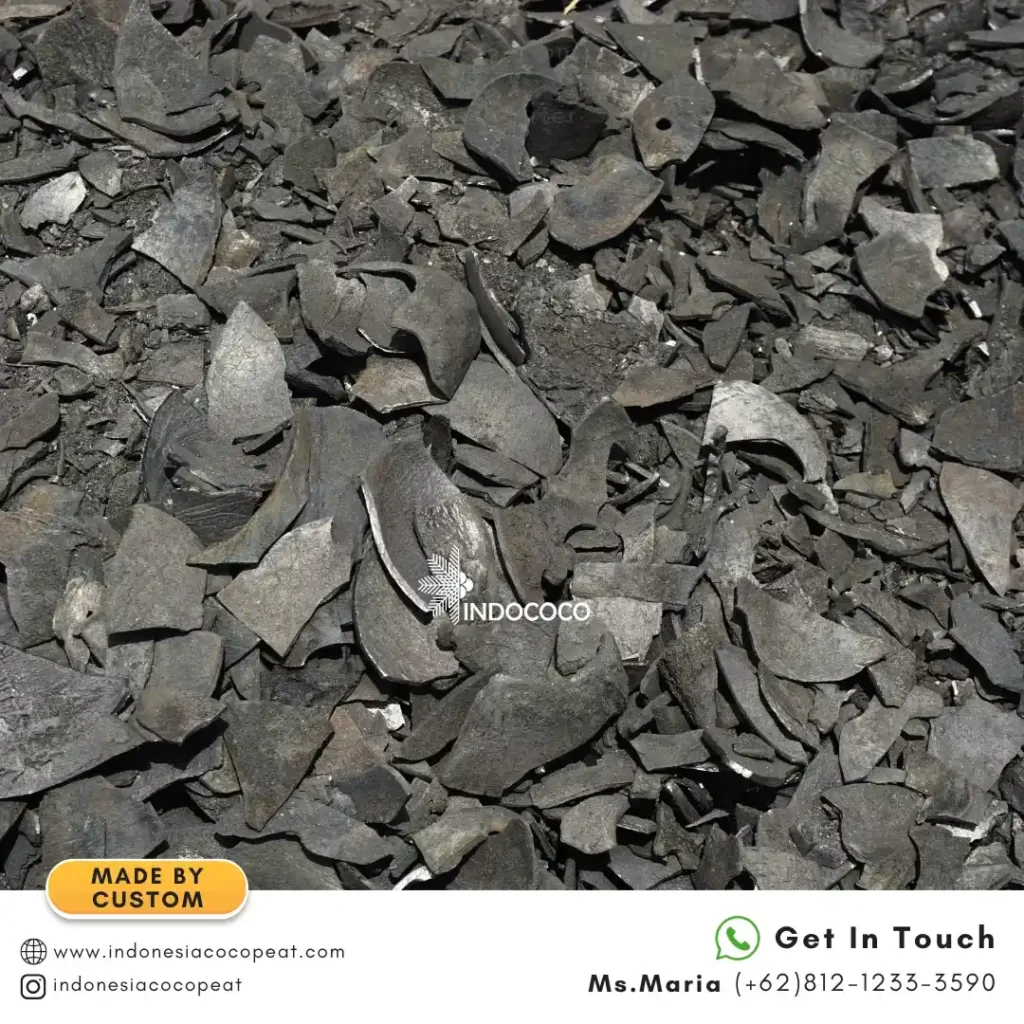
Palm shells also play an important role in charcoal production. Through controlled carbonization, manufacturers convert the shells into charcoal with high carbon content and consistent quality. This charcoal can serve residential, commercial, and industrial markets depending on its processing method and final specifications.
Another valuable application is activated carbon manufacturing. Palm shell charcoal becomes an excellent precursor material because its dense structure supports the development of porous carbon during activation. Activated carbon derived from palm shells is commonly associated with filtration, purification, and environmental treatment systems across different industries.
Advantages of Using Palm Shells as Biomass
Renewable energy sources have become increasingly attractive because they reduce dependence on non-renewable fossil fuels. Palm shells offer several practical advantages, beginning with their renewable origin as a by-product of the palm oil industry. Since they are generated during existing agricultural production, they provide additional value without requiring separate cultivation.
Their relatively high energy density allows businesses to transport and store biomass more efficiently than some lighter agricultural residues. This characteristic makes palm shells suitable for large-scale industrial operations where fuel consistency and logistics efficiency are important considerations. Proper storage conditions also help maintain product quality before utilization.
From an environmental perspective, utilizing palm shells contributes to better resource efficiency by reducing agricultural waste. Instead of disposing of shells after palm processing, manufacturers can transform them into commercially useful products. This supports more responsible material management while creating additional economic opportunities throughout the supply chain.
Quality Standards for Export Markets
International buyers often require consistent specifications when purchasing palm shells in bulk quantities. Product quality directly influences combustion efficiency, carbonization performance, and suitability for industrial applications. Reliable suppliers therefore implement quality control procedures before packaging and shipment.
Several characteristics commonly receive attention during inspection, including moisture content, shell size, cleanliness, ash content, and foreign material contamination. Maintaining consistent specifications helps customers achieve predictable performance during manufacturing or energy production. Professional suppliers also provide packaging solutions designed to protect products during long-distance transportation.
Export experience is equally important because biomass products require careful handling throughout logistics operations. Proper container loading, moisture protection, documentation, and shipment coordination help ensure palm shells arrive in suitable condition. Businesses sourcing internationally often prioritize suppliers with established export capabilities and transparent communication.
Sustainability and the Circular Economy
The growing interest in sustainable manufacturing has encouraged industries to utilize renewable by-products more efficiently. Palm shells demonstrate how agricultural residues can become valuable industrial resources instead of contributing to unnecessary waste. Their commercial utilization strengthens circular economy principles by extending the productive life of existing materials.
This resource-efficient approach creates benefits across multiple sectors. Palm growers gain additional value from processing residues, manufacturers obtain renewable raw materials, and industrial buyers access environmentally responsible alternatives for energy and carbon-based products.
Choosing a Reliable Palm Shell Supplier
Selecting the right supplier involves evaluating more than competitive pricing. Buyers should consider production capacity, quality consistency, storage practices, packaging options, and export experience before establishing long-term partnerships. A dependable supplier can maintain stable product availability while meeting agreed technical specifications.
Clear communication regarding moisture levels, particle size, order volume, packaging, and delivery schedules helps prevent misunderstandings during international transactions. Many industrial buyers also request product samples before confirming large orders to verify compatibility with their equipment and production processes.
Conclusion
Palm shells have evolved from a simple agricultural by-product into a valuable renewable resource for global industries. Their applications in biomass energy, charcoal production, activated carbon manufacturing, and industrial heating demonstrate remarkable versatility while supporting sustainable resource utilization.
As demand for renewable materials continues growing, palm shells will remain an important component of environmentally responsible supply chains. Businesses partnering with experienced suppliers can secure consistent product quality, reliable export services, and long-term access to high-performance biomass materials for diverse commercial applications.
For further information, please contact WhatsApp (+62) 812-1233-3590 or email sales@arlion.co.id.