

The demand for sustainable raw materials continues to grow as industries look for alternatives to synthetic materials. Coconut fiber has become an attractive option because it is renewable, biodegradable, durable, and highly versatile. For businesses that need dependable natural fiber in commercial quantities, choosing the right Coco Fiber Exporter can make a significant difference in product quality and supply stability.
Indonesia is one of the major coconut-producing countries, creating strong opportunities for the development of coconut-based products. Coconut husks that were once treated mainly as agricultural waste can now be processed into valuable natural fibers. Through proper processing and quality control, these fibers can serve various industries while supporting more responsible resource utilization.
Why Choose a Professional Coco Fiber Exporter?
Working with a professional Coco Fiber Exporter gives international buyers access to a more organized and dependable supply chain. Experienced exporters understand how to source suitable coconut husks, process the material correctly, and prepare products according to different customer requirements. This level of control helps businesses maintain consistent production without constantly searching for new raw material sources.
Quality consistency is especially important for manufacturers using coconut fiber as part of their finished products. Differences in fiber length, moisture content, cleanliness, and texture can affect the manufacturing process. A reliable exporter applies proper sorting, drying, and processing methods to produce fiber with characteristics that remain consistent across different shipments.
High-Quality Coco Fiber for Different Applications
Coco fiber has a wide range of applications because its natural structure provides strength and flexibility. One of its traditional uses is in the furniture industry, particularly for mattresses, cushions, upholstery, and other products requiring resilient natural filling. Manufacturers can process the fiber according to their specific production methods and desired product characteristics.
The agricultural sector also benefits from coco fiber exporter products. Natural coir materials can support soil protection, moisture management, and plant cultivation. Coco fiber is particularly useful in landscaping and erosion control because it can help protect exposed surfaces while vegetation gradually develops.
Beyond agriculture and furniture, coconut fiber has potential in automotive and industrial applications. Natural fibers can be incorporated into composite materials, interior components, insulation, and other products. As manufacturers continue exploring sustainable materials, the range of applications for coconut fiber is expected to become increasingly diverse.
Quality Control Starts with Raw Materials
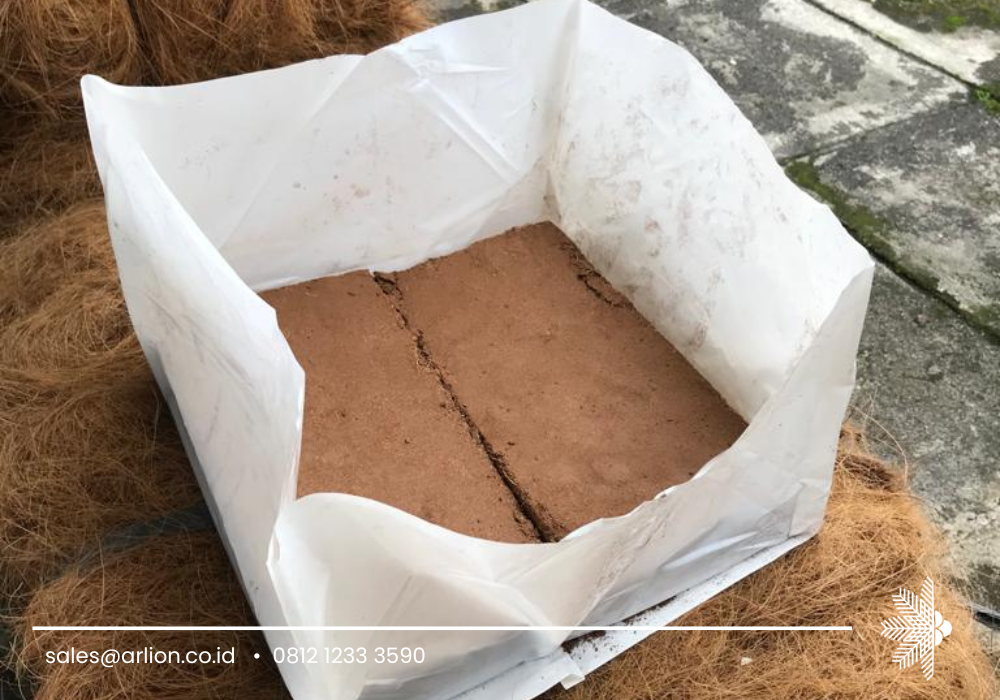
Producing export-quality coconut fiber begins with selecting suitable raw materials. Coconut husks must be processed carefully to separate useful fibers from unwanted particles. Proper handling at this early stage helps determine the strength, cleanliness, appearance, and overall performance of the final product.
After processing, drying becomes an important part of maintaining product stability. Excess moisture can affect storage and transportation, particularly during long-distance international shipments. Controlled drying helps reduce these risks while preparing the fiber for secure packaging and export.
Sustainable Production Adds More Value
Sustainability has become a major consideration for companies choosing raw materials. Coconut fiber supports this movement because it comes from a renewable agricultural resource and can utilize coconut husks that might otherwise become waste. Turning these materials into useful products creates additional value throughout the coconut supply chain.
The environmental advantages extend beyond waste utilization. Coconut fiber is biodegradable, allowing it to break down naturally after its useful life under suitable conditions. This characteristic makes it appealing to businesses developing environmentally conscious products and reducing their dependence on petroleum-based synthetic materials.
For Indonesian producers, sustainable coconut fiber also creates economic opportunities in rural communities. Coconut processing can generate additional value from existing agricultural resources while supporting related manufacturing and export activities. This combination of environmental and economic benefits strengthens the position of coconut fiber in international markets.
Choosing the Right Export Partner
Finding a suitable exporter requires more than comparing prices between suppliers. Buyers should consider production capacity, product specifications, quality control, packaging options, export experience, and communication before placing large orders. A supplier that can consistently meet technical requirements will usually provide greater long-term value than one offering only a lower initial price.
Buyers can also request product samples before confirming larger purchases. Samples allow manufacturers to evaluate fiber quality and determine whether the material fits their production processes. Clear discussions about specifications, order quantities, packaging, and delivery schedules can further prevent misunderstandings during international transactions.
A dependable export partner should also provide transparent communication throughout the order process. From the initial quotation to production and shipment, timely updates help buyers manage inventory and production planning. Strong communication is particularly valuable when orders involve customized specifications or recurring shipments.
Building Long-Term Global Supply
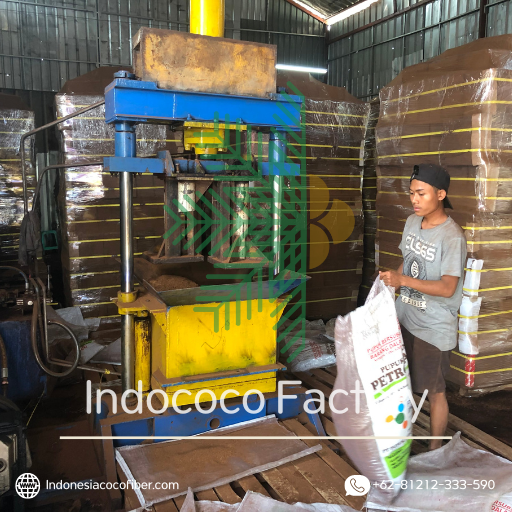
International businesses increasingly prefer suppliers capable of supporting long-term cooperation rather than handling one-time transactions. Consistent production, stable quality, and reliable communication can create stronger relationships between exporters and overseas buyers. Over time, these partnerships can improve purchasing efficiency and make supply planning easier.
Indonesia’s abundant coconut resources provide a strong foundation for this type of international business. With proper processing and professional export management, coconut fiber can reach markets across different regions and industries. Buyers can therefore gain access to renewable materials while developing a stable supply relationship with an experienced Indonesian partner.
Conclusion
Choosing a reliable Coco Fiber Exporter allows businesses to access natural fiber with consistent quality, sustainable value, and dependable international supply. From agriculture and furniture to landscaping and industrial applications, coconut fiber offers practical solutions for companies seeking renewable materials.
As global demand for sustainable products continues to increase, the role of professional coconut fiber exporters will become even more important. By selecting an exporter with strong quality control, production capabilities, and international experience, businesses can secure reliable materials while supporting a more sustainable approach to coconut resource utilization.
For further information, please contact WhatsApp (+62) 812-1233-3590 or email sales@arlion.co.id.