
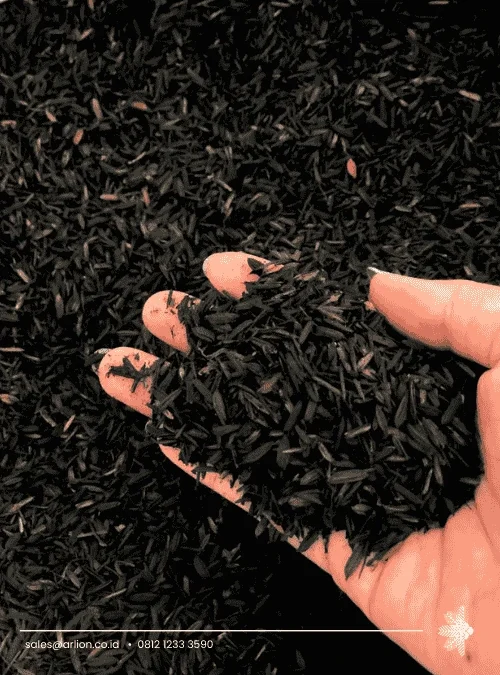
The growing focus on sustainability has encouraged industries to find innovative ways to reuse agricultural by-products. One of the most valuable materials emerging from this movement is rice husk ash, a fine powder produced after burning rice husks under controlled conditions. Instead of becoming waste, this by-product has become an important resource for construction, agriculture, ceramics, and various industrial applications.
Rice is one of the world’s most widely cultivated crops, generating millions of tons of rice husks every year. When these husks are processed properly, they produce ash rich in silica, making it highly valuable for manufacturing and engineering purposes. As demand for eco-friendly materials continues to increase, rice husk ash is gaining recognition as a practical solution that combines environmental responsibility with excellent performance.
Why Rice Husk Ash Is a Valuable Sustainable Material
The popularity of rice husk ash comes from its unique physical and chemical properties. One of its most significant characteristics is its high silica content, which makes it suitable for applications requiring strength, durability, and improved material performance. This naturally occurring composition allows manufacturers to utilize agricultural waste without relying entirely on virgin raw materials.
Unlike many industrial materials that require extensive mining or extraction, rice husk ash originates from renewable agricultural production. Rice farming continuously generates husks as a by-product, creating a stable source of raw material for further processing. By converting these husks into useful ash, industries can reduce waste while improving overall resource efficiency.
Applications of Rice Husk Ash in Construction
The construction industry is one of the largest users of rice husk ash because of its ability to improve concrete and cement performance. When incorporated into cementitious materials, it can enhance strength development, reduce permeability, and improve long-term durability. These characteristics make it an attractive supplementary material for infrastructure and building projects.
Concrete containing rice husk ash often demonstrates better resistance to chemical attacks and moisture penetration. This improved durability is particularly beneficial in structures exposed to harsh environmental conditions, including bridges, coastal buildings, and wastewater facilities. Engineers appreciate its ability to contribute to stronger and longer-lasting construction materials.
Beyond concrete, rice husk ash can also be utilized in bricks, blocks, and other building products. Manufacturers continue exploring new formulations that improve product performance while reducing the environmental footprint associated with conventional construction materials.
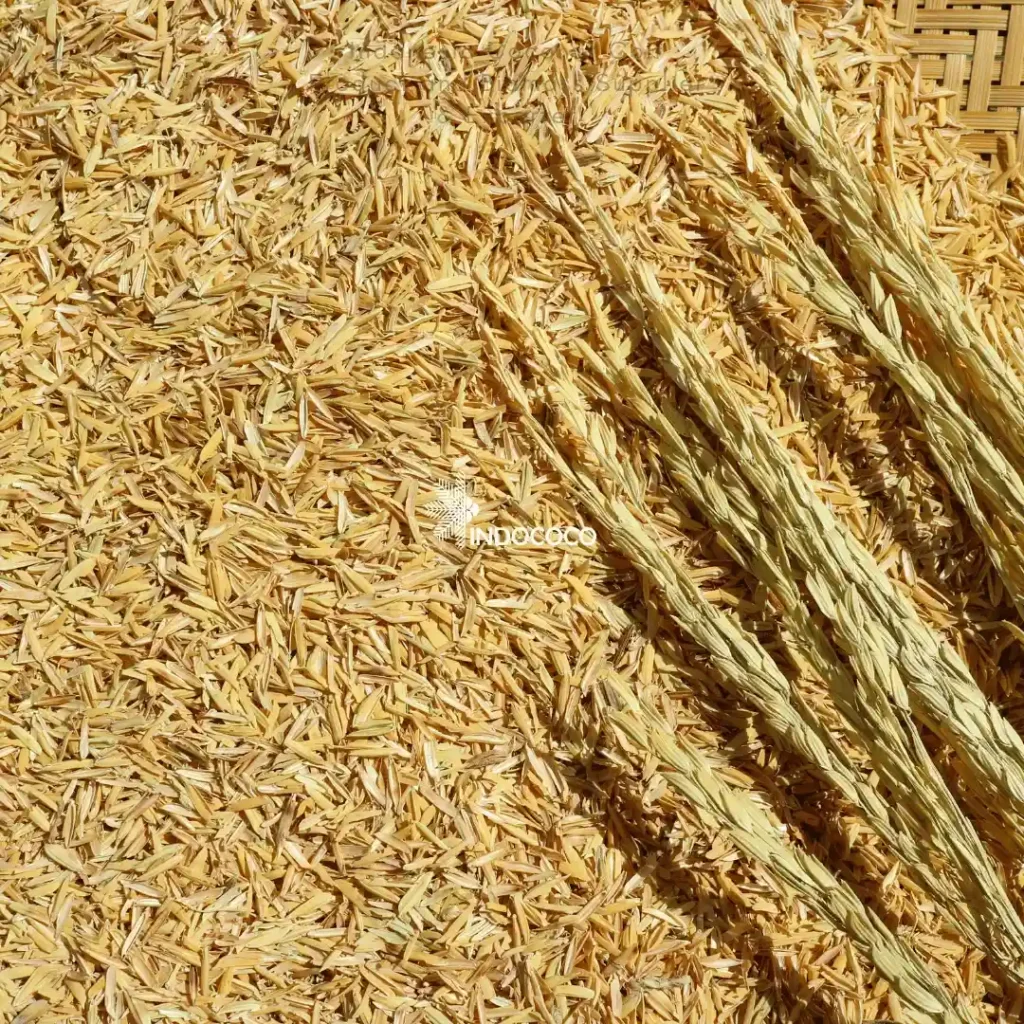
Agricultural and Industrial Uses of Rice Husk Ash
Although construction remains a major market, rice husk ash also provides valuable benefits in agriculture. The silica-rich composition can improve soil properties in certain cultivation systems while supporting healthier plant growth. Farmers and agricultural researchers continue studying its potential for enhancing soil structure and nutrient availability.
Industrial manufacturers use rice husk ash in ceramics, refractories, insulation products, and specialized silica-based materials. Its fine particle size and chemical stability make it suitable for applications requiring high-temperature resistance and consistent mineral composition. As processing technologies improve, additional industrial uses continue to emerge.
Environmental Benefits of Rice Husk Ash
Sustainability has become a central consideration for businesses seeking environmentally responsible materials. Rice husk ash contributes to this objective by utilizing a renewable agricultural residue that would otherwise have limited commercial value. Converting rice husks into useful products helps reduce waste while creating additional economic opportunities for farming communities.
The use of rice husk ash can also reduce dependence on certain conventional raw materials in manufacturing. By partially replacing cement or mineral fillers, industries may lower the demand for resource-intensive materials while maintaining product performance. This resource-efficient approach supports broader environmental goals within modern manufacturing.
Responsible production remains essential for maximizing these benefits. Controlled combustion processes help produce higher-quality ash while minimizing emissions and ensuring consistent silica content. Proper processing therefore plays a crucial role in both environmental and commercial performance.
Quality Standards for Commercial Applications
Not all rice husk ash possesses identical characteristics, making quality control an important part of commercial production. Factors such as combustion temperature, particle size, silica content, moisture, and impurity levels directly influence product performance across different industries.
Manufacturers serving international markets often implement strict inspection procedures before packaging and shipment. Consistent specifications allow buyers to integrate rice husk ash into their production processes with greater confidence. Reliable suppliers also provide technical information that helps customers select the appropriate grade for their intended application.
Packaging is equally important because fine ash requires protection against moisture during storage and transportation. Secure packaging preserves product quality while supporting efficient handling throughout domestic distribution and international export logistics.
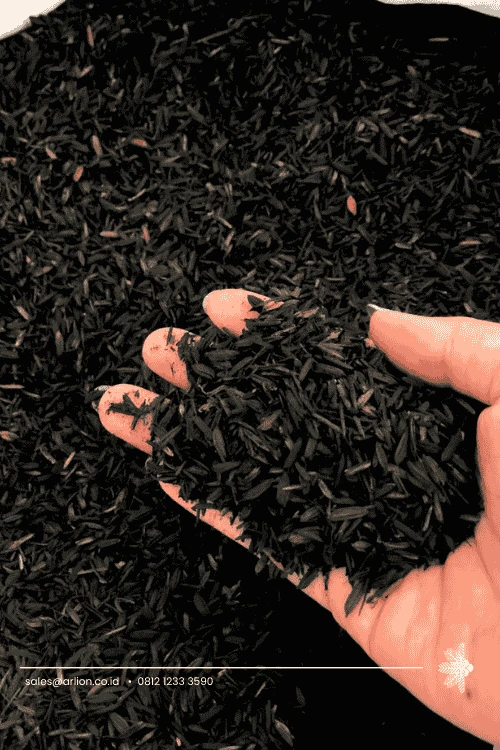
Choosing a Reliable Rice Husk Ash Supplier
Businesses purchasing rice husk ash should evaluate suppliers based on production capability, quality consistency, technical expertise, and export experience. A dependable supplier understands the specific requirements of construction companies, industrial manufacturers, and agricultural businesses, allowing them to recommend suitable product grades.
Clear communication regarding particle size, silica content, packaging, order volume, and delivery schedules helps establish successful long-term partnerships. Many buyers also request laboratory specifications or product samples before confirming bulk orders to verify compatibility with their manufacturing processes.
Conclusion
Rice husk ash demonstrates how agricultural by-products can become valuable industrial resources through responsible processing and innovative manufacturing. Its high silica content, versatile applications, and renewable origin make it an excellent material for construction, agriculture, ceramics, and specialized industrial products.
As global industries continue embracing sustainable production, rice husk ash will remain an increasingly important alternative to conventional materials. Choosing a reliable supplier ensures consistent quality, dependable supply, and long-term value for businesses seeking environmentally responsible solutions in competitive international markets.
For further information, please contact WhatsApp (+62) 812-1233-3590 or email sales@arlion.co.id.