
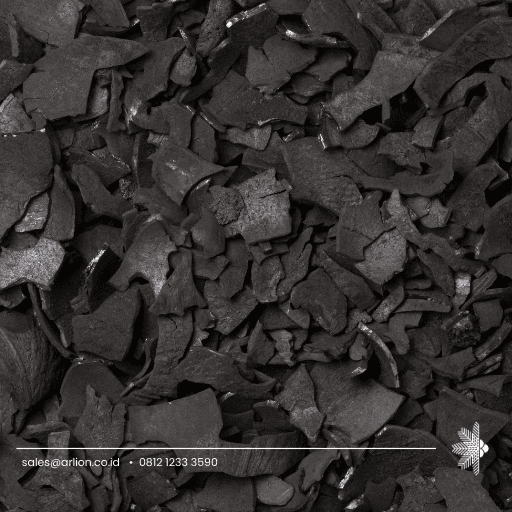
Charcoal Product: The global demand for sustainable materials continues to influence how businesses choose raw materials and manufacturing solutions. Charcoal remains an important carbon-based material with applications across household, commercial, and industrial markets. Among the available options, coconut shell charcoal has gained attention because it utilizes renewable agricultural resources while offering practical performance for various applications.
Coconut shells are naturally generated during coconut processing, creating an opportunity to transform agricultural by-products into commercially valuable materials. Instead of leaving shells unused, manufacturers can process them through controlled carbonization methods. The resulting charcoal can then be developed into different forms according to specific market and customer requirements.
What Makes a Charcoal Product Valuable?
A quality Charcoal Product is determined by several characteristics that influence its performance and suitability for different applications. Raw material quality, carbonization temperature, moisture content, ash content, and production consistency all contribute to the final characteristics. Careful control of these factors helps manufacturers produce charcoal with predictable performance.
Coconut shells are particularly useful as charcoal raw materials because they have a naturally dense structure. When properly carbonized, they can produce charcoal with desirable burning and carbon characteristics. This makes coconut shell charcoal suitable for applications where consistent combustion and controlled performance are important.
The form of charcoal also affects its usability. Manufacturers can produce charcoal in different sizes and shapes depending on the intended market. Lump charcoal, briquettes, and other processed forms can serve different purposes, allowing buyers to select materials that match their operational requirements.
Coconut Shells as a Renewable Raw Material
One major advantage of coconut shell charcoal comes from its raw material source. Coconut shells are a by-product of the food and agricultural industries, meaning their utilization can contribute to better resource efficiency. Processing these shells into charcoal creates additional value without requiring a separate primary agricultural crop.
Indonesia has strong potential for coconut-based charcoal production due to its extensive coconut resources. The availability of coconut shells supports continuous raw material sourcing for manufacturers and exporters. This foundation allows businesses to develop charcoal products for both domestic consumption and international markets.
Different Applications of Charcoal Product
Charcoal serves a variety of markets, and each application can require different product specifications. One well-known use is fuel, where charcoal provides a concentrated source of energy for cooking and heating. Its performance depends on factors such as density, moisture, ash content, and combustion characteristics.
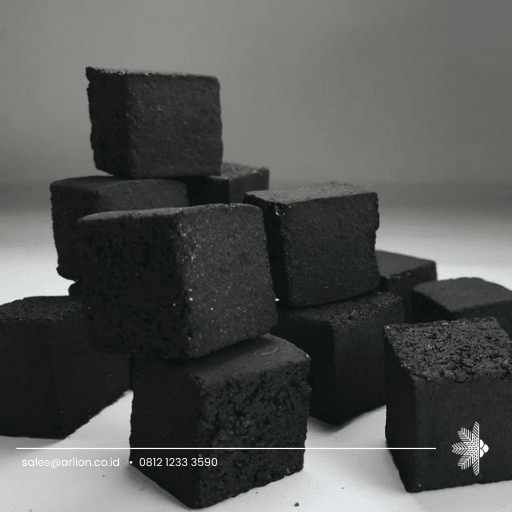
Charcoal briquettes are another popular form because their standardized shape makes them easier to package, transport, and handle. Coconut shell-based briquettes are commonly associated with food-service and recreational applications. Their consistent shape can also provide more predictable burning compared with irregular pieces.
Quality Control During Charcoal Production
Consistent quality is essential for businesses purchasing charcoal in commercial quantities. Manufacturers need to monitor the production process from raw material preparation through carbonization, sorting, packaging, and storage. Each stage can influence the final characteristics of the charcoal.
Moisture content is one factor that deserves particular attention. Excessive moisture can affect combustion performance and increase transportation weight. Proper drying and storage conditions help maintain product stability before the charcoal reaches customers.
Sustainability and the Charcoal Industry
Sustainability has become increasingly important for companies operating in international markets. Coconut shell charcoal provides an opportunity to utilize an agricultural by-product instead of relying exclusively on virgin raw materials. This resource-efficient approach can contribute to reducing waste within the coconut processing industry.
Responsible production remains essential, however. Charcoal manufacturing requires controlled carbonization processes and appropriate handling of production residues. Efficient facilities can help manage resources more effectively while maintaining consistent product quality throughout the manufacturing cycle.

Selecting a Reliable Charcoal Supplier
Businesses purchasing charcoal should evaluate suppliers based on more than price alone. Production capacity, raw material sourcing, quality control, packaging, product specifications, and export experience can significantly affect the overall value of an order. A supplier capable of maintaining stable quality can provide greater reliability for recurring purchases.
Buyers should also communicate their requirements before production begins. Specifications may include charcoal type, size, moisture level, ash content, packaging format, and order quantity. Clear agreements help ensure that the delivered product matches the customer’s intended application.
For international buyers, export experience is another important consideration. Proper documentation, secure packaging, container loading, and shipping coordination can reduce potential complications during international transportation. Strong communication throughout the process also helps buyers manage their inventory more efficiently.
Growing Opportunities in Global Markets
The market for sustainable carbon-based materials continues to evolve alongside changing consumer and industrial preferences. Manufacturers are exploring new applications while buyers are becoming more selective about raw material sources and production practices. These developments create opportunities for high-quality coconut shell charcoal in different international markets.
A dependable Charcoal Product manufacturer can respond to these opportunities by combining suitable raw materials with controlled production methods. Consistent specifications allow businesses to develop long-term purchasing relationships and maintain stable product performance.
Conclusion
A high-quality Charcoal Product offers more than practical functionality. Coconut shell charcoal transforms an agricultural by-product into a valuable material while supporting efficient resource utilization and sustainable manufacturing practices.
As international demand for renewable materials continues to expand, coconut shell charcoal has considerable potential across fuel, commercial, and industrial applications. Choosing a reliable producer with strong quality control, consistent capacity, and export experience can help businesses secure dependable charcoal supplies for long-term growth.
For further information, please contact WhatsApp (+62) 812-1233-3590 or email sales@arlion.co.id.