

Coconuts are among the most versatile agricultural resources available in tropical regions. Almost every part of the coconut can be processed into useful materials for different industries. As global businesses increasingly seek renewable resources, Coconut Derivatives Product has gained attention as a practical solution for sustainable manufacturing and commercial applications.
Indonesia has strong potential in the coconut processing industry because coconuts are widely cultivated across many regions. Through proper processing, coconut meat, water, shells, husks, and fibers can become valuable products. This approach reduces agricultural waste while creating additional economic opportunities for farmers, processors, manufacturers, and exporters.
Understanding Coconut Derivatives Product
The term Coconut Derivatives Product refers to various materials created through the processing of different parts of a coconut. These products can serve food, agriculture, personal care, manufacturing, construction, and other industries. Their characteristics depend on the original coconut component and the processing method used.
Coconut meat, for example, can produce coconut oil, desiccated coconut, coconut milk, and other food ingredients. Coconut water may be processed into beverages and functional ingredients. Meanwhile, shells can become charcoal or activated carbon, while husks provide valuable fiber and coco peat for agricultural applications.
This variety makes coconut derivatives product particularly attractive to businesses that need natural materials with different functions. Instead of relying on a single coconut product, companies can source several derivatives according to their production requirements. Such flexibility also strengthens the overall value of the coconut supply chain.
Popular Products Made from Coconut
The coconut industry produces a broad selection of derivatives for domestic and international markets. Coconut oil remains one of the most recognized products because it has applications in cooking, cosmetics, personal care, and various industrial processes. Different processing methods can produce coconut oil with characteristics suited to specific market requirements.
Coconut shell products represent another important category. Processed shells can be converted into charcoal and other carbon-based materials. These products are widely associated with energy, filtration, and other applications where carbon-rich materials provide functional benefits.
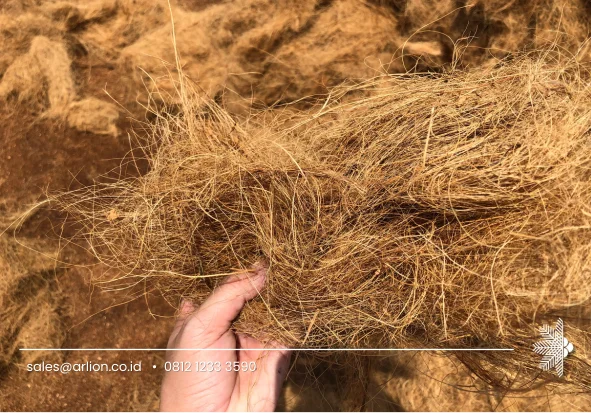
The coconut husk also has considerable commercial value. Manufacturers can process husks into coco fiber, coco peat, coir rope, and erosion control materials. Each product serves a different purpose, allowing businesses to maximize the value obtained from a single agricultural resource.
Agricultural Applications of Coconut Derivatives
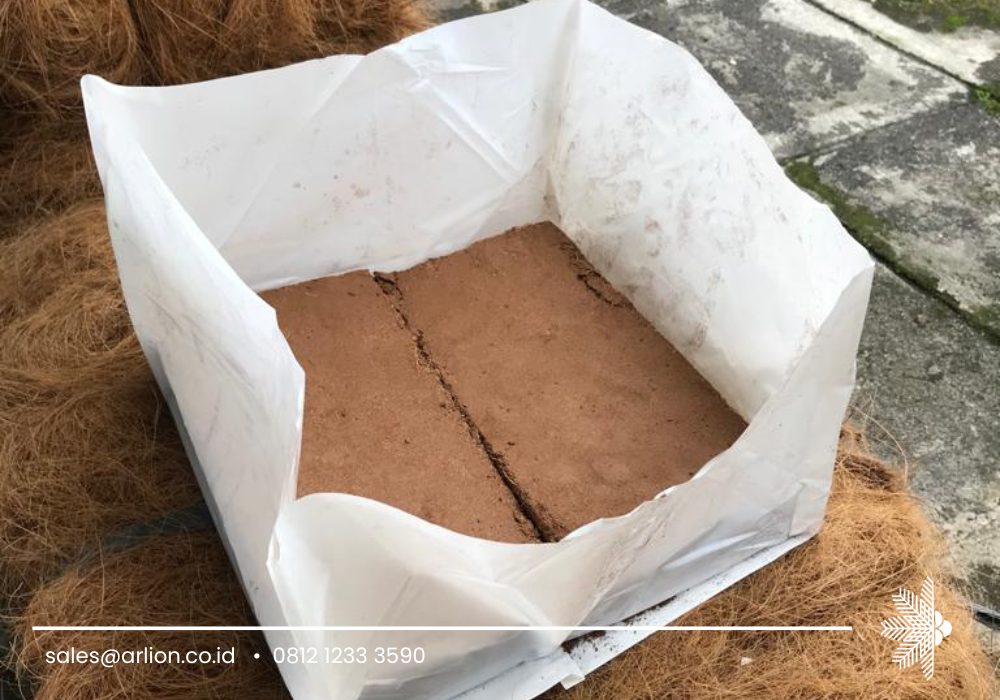
Agriculture is one of the industries benefiting significantly from coconut-based materials. Coco peat, for instance, is widely used as a growing medium because it can retain moisture while providing a suitable environment for plant roots. It can support seedling production, container gardening, horticulture, and various cultivation systems.
Coco fiber offers different advantages for agricultural and landscaping applications. Its fibrous structure makes it useful for erosion control products, ground coverings, and biodegradable materials. Coir mats and related products can help protect soil surfaces while plants establish stronger root systems.
The use of coconut derivatives in agriculture also supports circular resource management. Materials generated during coconut processing can return to productive applications instead of becoming unnecessary waste. This creates an efficient connection between agricultural production, processing, and sustainable land management.
Industrial Uses Continue to Expand
Coconut derivatives are not limited to food and agricultural applications. Several industries are exploring their potential as renewable alternatives to conventional synthetic materials. Natural fibers can be incorporated into composite materials, furniture components, automotive interiors, and other manufactured products.
Coconut shell charcoal and activated carbon also have valuable industrial applications. Their porous structure can make processed carbon suitable for filtration and purification purposes. Specific applications depend on the characteristics and treatment of the final material.
Sustainability Drives Market Demand
Environmental concerns have become an important factor in global purchasing decisions. Businesses are increasingly evaluating whether their raw materials come from renewable sources and whether production processes minimize unnecessary waste. Coconut derivatives naturally fit into this movement because many of them utilize parts of the coconut that might otherwise be discarded.
Using coconut by-products can improve resource efficiency while creating additional income throughout the agricultural supply chain. Farmers benefit from stronger demand, processors gain opportunities to develop new products, and manufacturers receive access to renewable materials. This interconnected value makes coconut processing an important part of a circular economy.
Choosing a Reliable Coconut Product Supplier
Businesses interested in coconut derivatives should evaluate suppliers carefully before establishing commercial cooperation. Product quality, processing capabilities, production capacity, packaging, and export experience can influence the success of every order. A supplier with diverse processing capabilities may also provide greater flexibility when businesses require multiple coconut-based products.
Clear product specifications should be established before production begins. Buyers may need information regarding moisture content, purity, grade, packaging, quantity, and intended application. Samples can also help companies evaluate whether a particular derivative meets their technical or manufacturing requirements.
Building Value from Every Coconut
The future of coconut processing lies in using resources more efficiently. Instead of focusing on one primary product, modern processors can develop multiple derivatives from different parts of the coconut. This approach increases commercial value while reducing the amount of agricultural material that goes unused.
For global industries, Coconut Derivatives Product offers a combination of versatility, renewable sourcing, and practical functionality. From coconut oil and shell charcoal to coco fiber and coco peat, these products can serve diverse markets with different requirements.
As demand for sustainable materials continues to grow, coconut derivatives are positioned to play an increasingly important role in international trade. Businesses that work with capable processors can benefit from reliable natural materials while supporting a more efficient and responsible coconut industry.
For further information, please contact WhatsApp (+62) 812-1233-3590 or email sales@arlion.co.id.