
One of the most eco-friendly and efficient growing mediums available today is coco peat. Derived from coconut husks, this fibrous, sponge-like material is making waves in gardening and farming practices around the world. The benefits of using coco peat are numerous, ranging from improved soil quality to better water management and sustainable farming solutions. This article will explore how coco peat contributes to healthy plant growth and why it has become a preferred choice among modern growers.

Understanding Coco Peat: What It Is and Where It Comes From
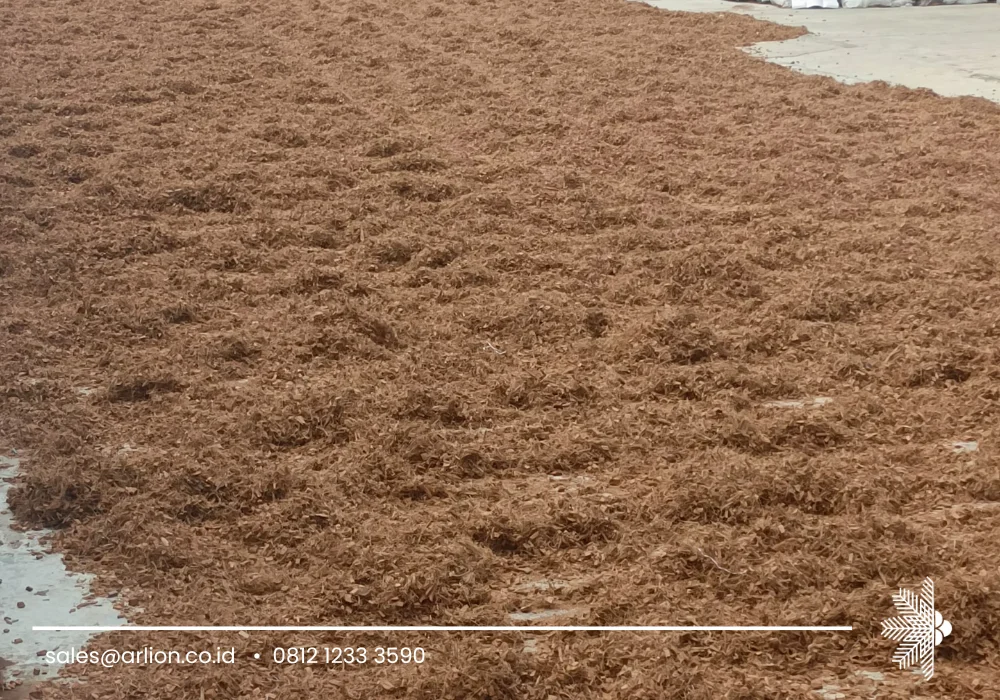
Coco peat, also known as coir pith or coir dust, is a natural by-product of the coconut industry. When the fibrous husk of a coconut is processed for products like ropes, mats, or brushes, the leftover dust is collected and further treated to produce coco peat. It is then compressed into blocks, bricks, or discs, which expand when rehydrated.
The benefits of using coco peat start with its availability and eco-friendliness. Since it’s made from agricultural waste, it promotes zero-waste production and reduces the environmental damage caused by extracting non-renewable materials like peat moss.
Key Benefits of Using Coco Peat
1. Excellent Water Retention and Drainage
One of the standout benefits of using coco peat is its high water retention capacity. Coco peat can hold up to eight times its weight in water, making it ideal for areas prone to drought or for plants that require consistent moisture. At the same time, it offers excellent drainage, which helps prevent root rot—a common problem in overwatered soils.
The ability to balance moisture content ensures that plants have access to water as needed while still receiving sufficient oxygen in the root zone.
2. Enhances Soil Aeration
Coco peat’s natural texture is fluffy and porous, which promotes healthy aeration within the soil. Good soil aeration ensures roots receive enough oxygen, encouraging faster and stronger root development. This is especially beneficial in container gardening or dense clay soils where compaction is a concern.
By improving soil structure, coco peat allows nutrients and microbes to move freely, boosting overall soil fertility.
3. Neutral pH for Diverse Crops
The pH of coco peat usually ranges from 5.5 to 6.8, which is considered near neutral and ideal for a wide variety of plants. Unlike some other organic amendments, it doesn’t significantly alter the soil pH, reducing the need for additional balancing agents. This is one of the reasons why the benefits of using coco peat are so appreciated in commercial agriculture and home gardening alike.
4. Sustainable and Environmentally Friendly
Traditional peat moss harvesting can lead to the destruction of natural peat bogs, which are crucial for carbon storage and biodiversity. In contrast, coco peat is a renewable and biodegradable resource that is often discarded as waste in coconut-producing countries. Utilizing it as a growing medium contributes to a circular economy and helps reduce the ecological footprint of agriculture.
Choosing coco peat over peat moss is a small but impactful way to support more sustainable gardening practices.
5. Disease and Pest Resistant
Another important advantage among the benefits of using coco peat is its resistance to many soil-borne pests and diseases. It has natural antifungal properties and does not harbor harmful pathogens when properly treated. This results in a cleaner growing medium and a healthier environment for plants.
Its clean nature makes coco peat a preferred choice for nurseries, hydroponic systems, and seed-starting setups where disease prevention is critical.
How to Use Coco Peat Effectively
1. Rehydration and Preparation
Coco peat is typically sold in compacted form. Before use, it must be soaked in water to allow it to expand. Once it has absorbed the water, it transforms into a fluffy, light-textured medium ready for mixing or direct use in pots and beds.
2. Ideal Mixing Ratios
For best results, coco peat can be mixed with soil, compost, or other growing media in a 1:1 or 1:2 ratio, depending on the plant’s needs. Adding perlite or vermiculite can also enhance aeration and drainage.
3. Suitable Applications
The benefits of using coco peat are evident in a variety of settings. It is ideal for vegetables, herbs, flowers, and indoor plants. Coco peat is also widely used in hydroponics and greenhouse production due to its consistent quality and sterile nature.
Limitations to Be Aware Of
While coco peat has many benefits, it may contain high levels of sodium or potassium if not properly processed. Always choose high-quality, washed, and buffered coco peat to ensure plant health. Additionally, coco peat has low inherent nutritional value, so it should be used in combination with fertilizers or compost to provide essential nutrients.
Conclusion
The benefits of using coco peat make it a smart choice for anyone looking to improve soil performance, conserve water, and support environmentally responsible agriculture. Its water retention, aeration, sustainability, and safety for plants position it as a top-tier growing medium across the globe.
Whether you’re a home gardener or a professional farmer, integrating coco peat into your cultivation system is a forward-thinking decision that promotes healthier crops and a healthier planet.
For more information, feel free to contact us via WhatsApp at (+62) 812-1233-3590 or email us at sales@arlion.co.id.