
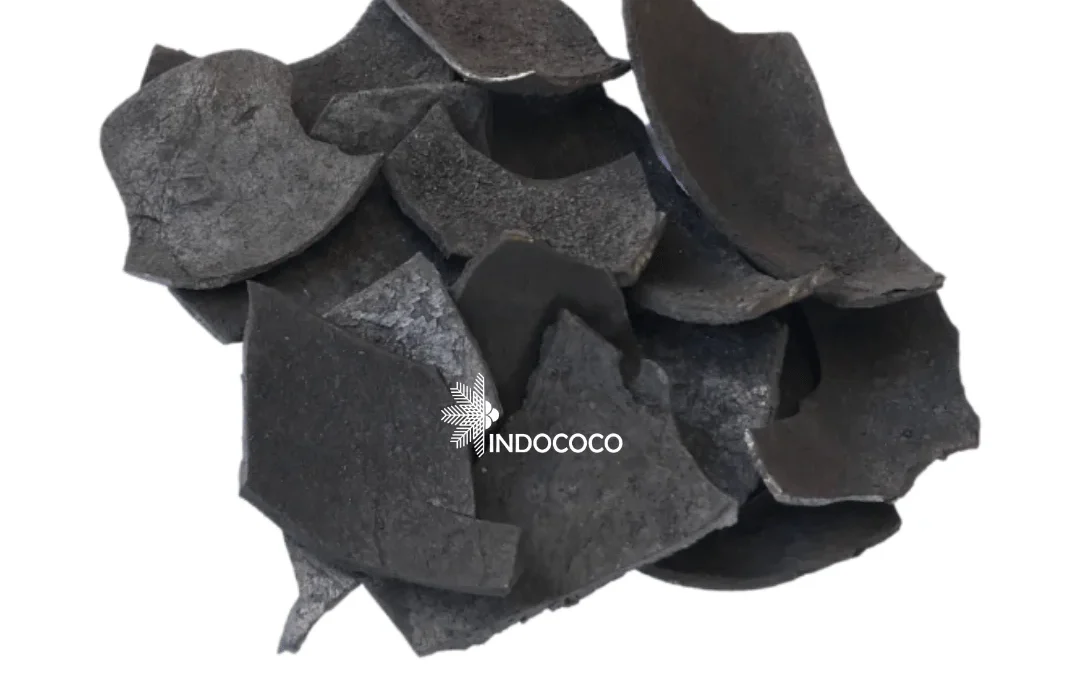
The search for renewable and efficient carbon materials has increased as industries move toward more sustainable production. Among the available biomass resources, coconut shell charcoal has gained attention for its clean properties, versatile applications, and renewable origin. Produced from coconut shells through controlled carbonization, this material transforms an agricultural by-product into a valuable commercial resource.
Coconut shells are naturally hard and dense, which makes them suitable for producing charcoal with good carbon content. Instead of allowing shells to become unused agricultural waste, manufacturers can process them into a useful material for energy, filtration, and other industrial purposes. This approach creates additional value throughout the coconut processing supply chain.
Why Coconut Shell Charcoal Is a Valuable Material
One of the main advantages of coconut shell charcoal is its renewable source. Coconut shells are continuously generated by the food and coconut processing industries, providing manufacturers with an accessible biomass feedstock. Their availability supports consistent production while reducing dependence on fossil-based carbon materials.
The physical characteristics of coconut shells also contribute to charcoal quality. Their dense structure can produce charcoal with relatively high fixed carbon when processed under suitable conditions. Depending on the carbonization method, the resulting charcoal can be further processed into different grades for specific commercial requirements.
Coconut Shell Charcoal for Sustainable Fuel
Energy production remains one of the important applications of coconut shell charcoal. Its carbon-rich composition allows it to generate heat during combustion, making it suitable for various heating and cooking applications. When properly processed, it can provide stable burning characteristics for users seeking biomass-based fuel.
Coconut shell charcoal is also commonly used as a raw material for charcoal briquettes. The charcoal is crushed, mixed with suitable binding materials, shaped, and dried to create a more uniform fuel product. Briquettes offer convenient handling and controlled dimensions, making them suitable for commercial and household applications.
Compared with some conventional biomass residues, coconut shells provide a dense feedstock for charcoal production. Proper processing can help manufacturers achieve consistent combustion performance while utilizing agricultural residues that might otherwise have limited economic value.
From Charcoal to Activated Carbon
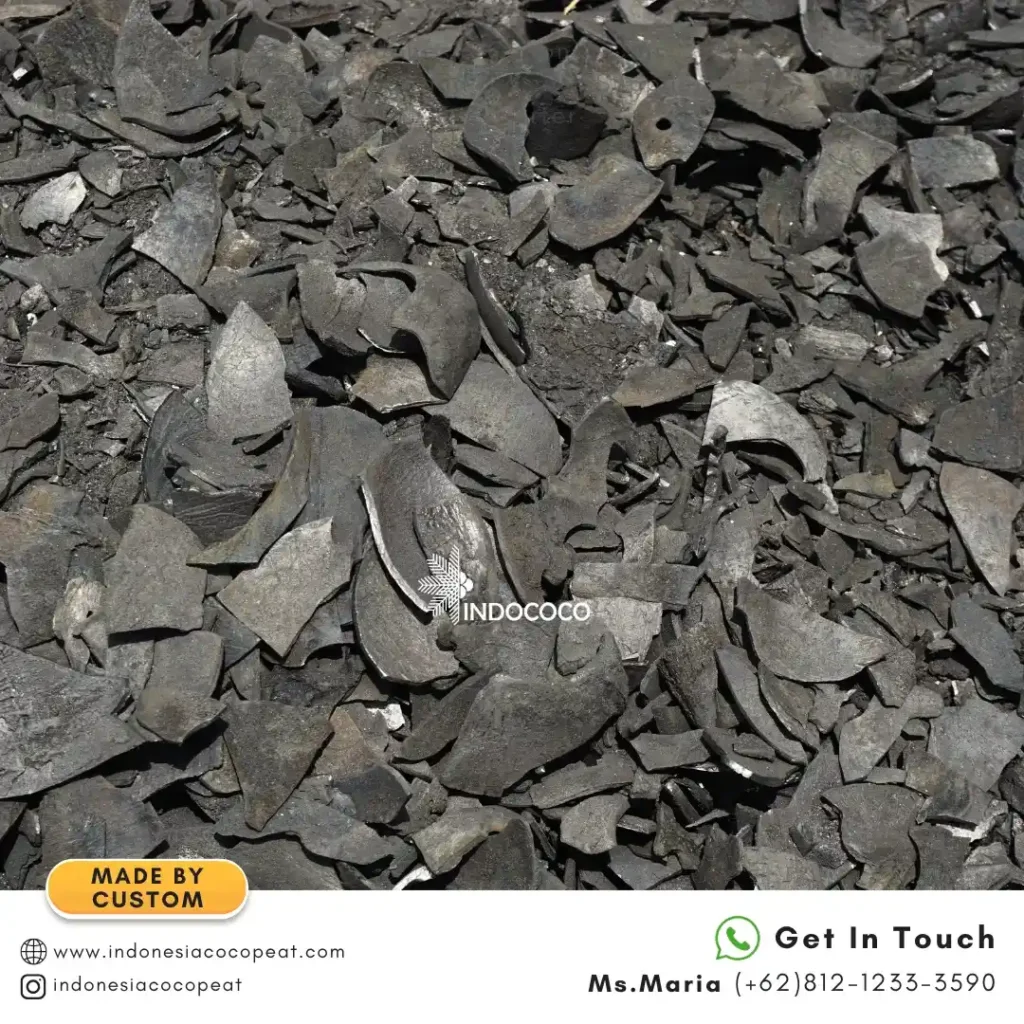
Beyond fuel applications, coconut shell charcoal serves as an important precursor for activated carbon. Through additional activation processes, the carbon structure can be developed to create a highly porous material with a large internal surface area. These characteristics make activated carbon valuable for adsorption and purification applications.
Activated carbon derived from coconut shells can be used in water treatment, air purification, industrial filtration, and other environmental systems. Its porous structure allows it to capture certain impurities and unwanted compounds from liquids or gases. As industries place greater emphasis on clean water and environmental management, demand for high-quality carbon materials continues to grow.
Quality Control in Coconut Shell Charcoal Production
Quality consistency is essential when supplying charcoal to international buyers. Variations in moisture, ash content, fixed carbon, particle size, and foreign materials can influence the performance of the finished product. Professional manufacturers establish quality control procedures throughout production to maintain stable specifications.
Raw material selection is the first important stage. Clean and properly prepared coconut shells can contribute to more consistent carbonization results. The shells must then undergo controlled processing to achieve the desired charcoal characteristics without unnecessary contamination.
Environmental Benefits of Coconut Shell Charcoal
Sustainability is one of the strongest reasons businesses are exploring coconut-based carbon products. Using coconut shells for charcoal production gives an agricultural by-product a second purpose instead of allowing it to accumulate as waste. This supports more efficient resource utilization within the coconut industry.
The material also contributes to circular economy practices by connecting agricultural production with energy and industrial markets. Coconut processors can create additional economic value from their residues, while manufacturers gain access to a renewable carbon source. Such systems encourage better utilization of biomass throughout the supply chain.
Choosing a Reliable Coconut Shell Charcoal Supplier
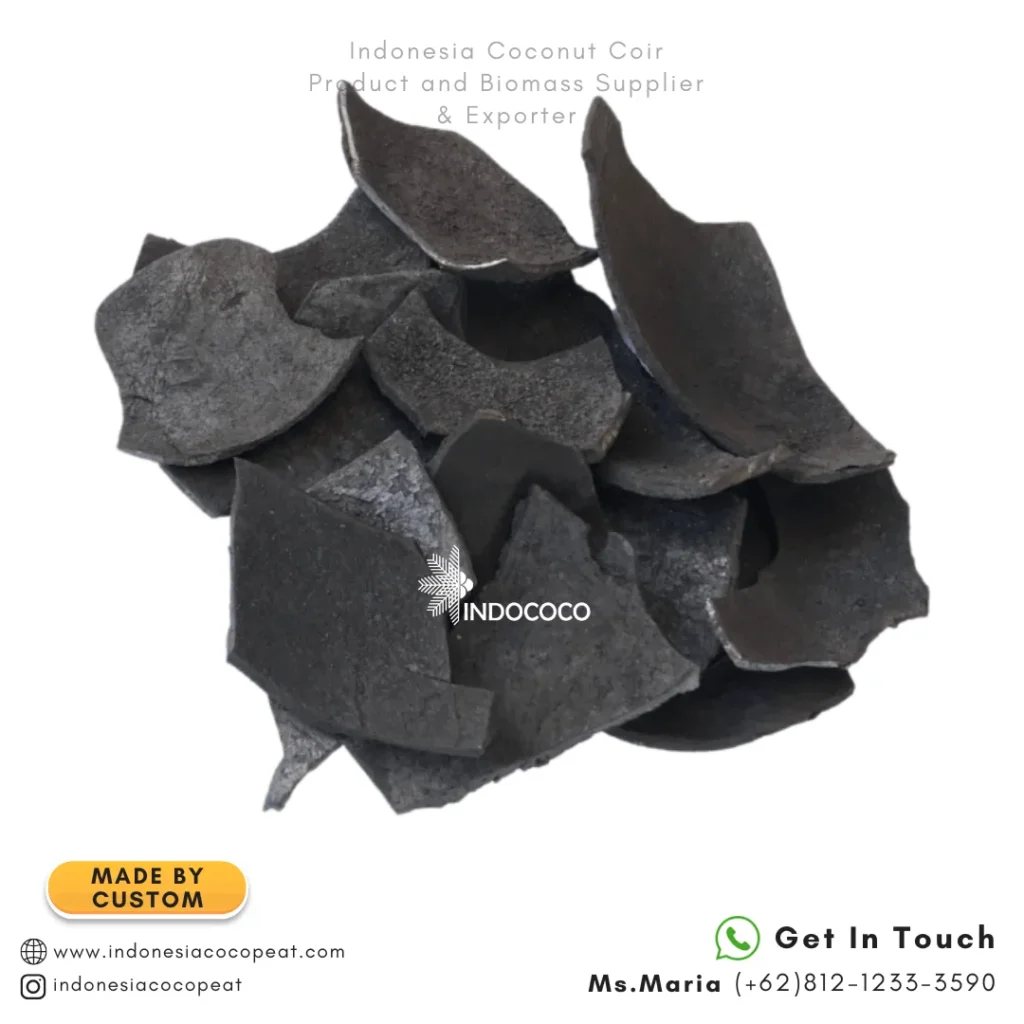
Businesses purchasing coconut shell charcoal should evaluate suppliers based on product specifications, manufacturing capacity, quality control, packaging, and export experience. A reliable supplier should be able to provide clear information about moisture, ash, fixed carbon, particle size, and available packaging options.
Production consistency is particularly important for buyers placing recurring bulk orders. Stable specifications make it easier for manufacturers to maintain predictable performance across different production batches. Suppliers with established export experience can also support documentation, container loading, and international logistics requirements.
Growing Demand for Coconut-Based Carbon Products
Global interest in renewable materials continues creating opportunities for coconut shell charcoal across multiple industries. Demand comes from fuel markets, charcoal briquette manufacturers, activated carbon producers, and businesses searching for sustainable biomass resources. Its combination of renewable sourcing and versatile applications gives it strong potential in international markets.
As sustainability becomes increasingly important in procurement decisions, coconut-based carbon products can offer businesses a practical way to improve material sourcing. Continued investment in processing technology and quality management will further support the development of this market.
Conclusion
Coconut shell charcoal is more than a traditional biomass fuel. Its renewable origin, carbon-rich composition, and wide range of applications make it a valuable material for energy production, briquettes, activated carbon, and industrial processes.
For businesses seeking dependable carbon materials, working with an experienced supplier can provide consistent quality, suitable specifications, and reliable export support. With responsible processing and efficient resource utilization, coconut shell charcoal can continue contributing to more sustainable industrial supply chains worldwide.
For further information, please contact WhatsApp (+62) 812-1233-3590 or email sales@arlion.co.id.