
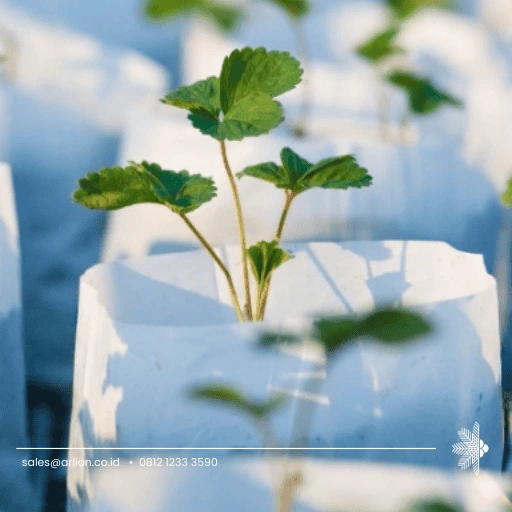
Modern agriculture increasingly depends on growing media that provide consistent conditions for healthy plant development. Among the available options, Coco Peat Low EC has become a popular choice for greenhouse cultivation, hydroponics, nurseries, and commercial horticulture. Made from processed coconut husks, this natural growing medium offers excellent water retention while maintaining an environment suitable for root development.
Electrical conductivity, commonly called EC, measures the concentration of dissolved salts in a growing medium or nutrient solution. High salt levels can interfere with water uptake and create stress for sensitive plants. Low EC coco peat is therefore particularly useful for growers who need greater control over their growing conditions and nutrient management.
What Makes Coco Peat Low EC Different?
Coco Peat Low EC refers to coconut-based growing media processed to achieve a relatively low electrical conductivity. During production, coconut peat may undergo washing and other treatments to reduce excess soluble salts. The resulting material provides growers with a more controlled starting point for cultivation.
However, low EC does not automatically mean that coco peat contains every nutrient plants require. Most coco peat products have limited nutrient availability, so growers generally need to provide an appropriate fertilizer or nutrient solution. This allows them to manage plant nutrition according to crop requirements and growth stages.
The exact EC value can vary depending on the supplier, processing method, and measurement procedure. Buyers should therefore review technical specifications and confirm whether the reported EC uses a consistent testing method before comparing different products.
Benefits of Low EC Coco Peat for Plant Growth
One of the main advantages of low EC coco peat is its suitability for crops that are sensitive to excessive salinity. Lower concentrations of soluble salts can help reduce the risk of salt-related root stress, provided irrigation water and fertilizer are also managed correctly.
Its physical properties offer additional benefits. Coco peat can retain substantial moisture while maintaining air spaces that support root respiration. This balance helps plants access water without leaving the root zone continuously saturated, although performance depends on particle size and substrate preparation.
Another advantage is its versatility. Growers can use low EC coco peat in seedling production, greenhouse vegetables, ornamental plants, and selected hydroponic systems. It is available in compressed blocks, bricks, and loose formats, allowing businesses to choose packaging that suits their storage and cultivation needs.
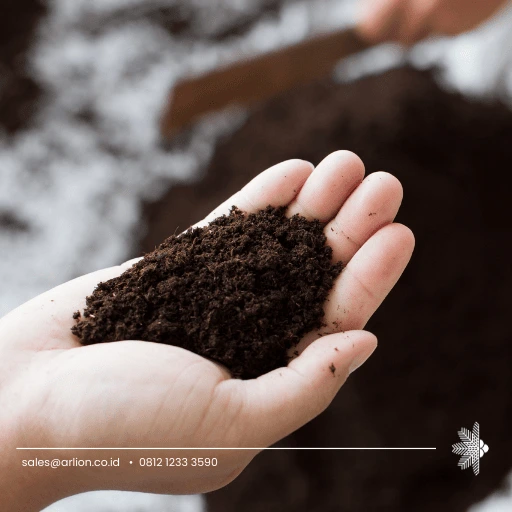
Applications in Greenhouses and Hydroponic Systems
Commercial greenhouse operators often require growing media with predictable properties across multiple planting cycles. Low EC coco peat can provide a consistent substrate for tomatoes, cucumbers, peppers, leafy vegetables, and other horticultural crops. Its moisture retention supports regular irrigation, while suitable aeration helps maintain a functional root environment.
In hydroponic cultivation, coco peat may be used alone or blended with materials such as perlite or coco chips. These combinations allow growers to adjust water retention, drainage, and air capacity according to crop characteristics. A finer substrate generally retains more moisture, while coarser materials can improve drainage and aeration.
Nurseries also use low EC coco peat for germination and young plant development. Seedlings need careful moisture and nutrient management because their root systems are still developing. A growing medium with controlled salinity can simplify this process, especially when paired with suitable irrigation water and balanced fertilizer.
Quality Standards for Coco Peat Low EC
Product quality depends on more than the EC value printed on the packaging. Reliable coco peat should have consistent particle size, appropriate moisture content, and limited contamination from unwanted materials. These characteristics influence handling, water distribution, and root development.
EC specifications should be evaluated alongside pH and physical properties. A product with low salinity may still perform poorly if its structure is unsuitable for the intended crop. Buyers should request technical data sheets that explain the measurement method, moisture conditions, and recommended applications.
Proper processing and packaging also help preserve product quality. Compressed coco peat should expand effectively when hydrated, while packaging must protect it from contamination and excessive moisture during storage. Consistent manufacturing standards make it easier for growers to plan cultivation at commercial scale.
How to Choose a Reliable Coco Peat Supplier
Selecting a dependable Coco Peat Low EC supplier requires careful evaluation of production quality and technical transparency. Buyers should ask for the EC range, testing method, pH, particle size distribution, expansion volume, and available packaging formats. These details help determine whether the product matches specific cultivation requirements.
For bulk purchases, product samples can provide valuable insight before a large order is confirmed. Growers may test hydration, drainage, moisture retention, and crop response under their own irrigation conditions. This practical evaluation reduces the risk of receiving material that does not fit their production system.
Export buyers should also consider production capacity, shipment schedules, and packaging durability. A supplier with consistent specifications and reliable logistics can support regular planting cycles while minimizing disruptions to commercial operations.
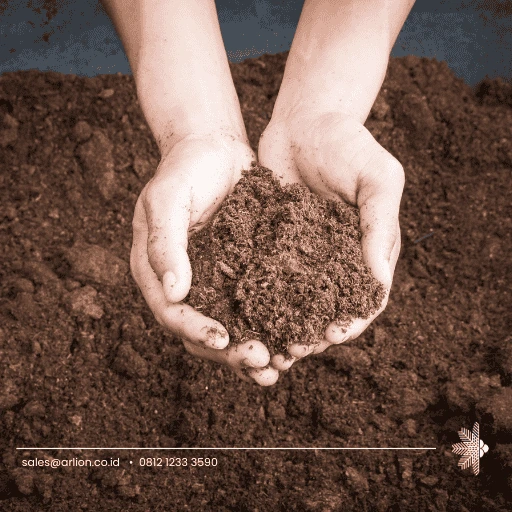
Sustainable Growing Media from Coconut Husk
Coco peat is produced from coconut husks, an agricultural by-product generated during coconut processing. Converting this material into growing media creates additional value from existing resources and supports more efficient agricultural waste utilization.
Its renewable origin makes coco peat an attractive option for growers exploring alternatives to conventional peat-based substrates. Nevertheless, sustainability also depends on responsible processing, water use, transportation, and product management throughout the supply chain.
When sourced and handled appropriately, low EC coco peat combines useful growing properties with efficient resource utilization. This makes it a practical material for agricultural businesses seeking consistent cultivation conditions and more responsible growing media choices.
Conclusion
Coco Peat Low EC provides growers with a controlled starting point for managing salinity, moisture, and root development across various horticultural applications. Its suitability for greenhouses, hydroponics, nurseries, and commercial farming makes it a versatile growing medium for modern agriculture.
Choosing a supplier with reliable quality control, transparent EC specifications, and consistent export capabilities helps businesses maintain stable cultivation practices. With appropriate irrigation and nutrient management, low EC coco peat can support healthy plant growth and dependable production results.
For further information, please contact WhatsApp (+62) 812-1233-3590 or email sales@arlion.co.id.