
The global shift toward sustainable materials has increased interest in natural fibers for commercial and industrial applications. Coconut fiber stands out because it combines durability, flexibility, biodegradability, and renewable sourcing. Businesses that require dependable natural materials can work directly with a professional Coco Fiber Manufacturer to obtain consistent products and reliable production support.
Coconut fiber comes from the outer husk of coconuts, which can be processed instead of being discarded as agricultural waste. Modern manufacturing methods transform these husks into useful fibers with different grades and characteristics. This approach creates additional value from coconut resources while supporting industries searching for environmentally responsible alternatives.
Why Work with a Professional Coco Fiber Manufacturer?
Choosing an experienced Coco Fiber Manufacturer gives buyers greater control over product quality and supply consistency. Manufacturers manage several important stages, including raw material selection, fiber extraction, cleaning, drying, grading, and packaging. Controlling these processes internally helps reduce variations that could affect the performance of the final product.
Direct cooperation can also simplify communication between buyers and producers. Customers coco fiber manufacturer can discuss specific requirements before production begins, including fiber length, moisture content, cleanliness, packaging, and order volume. This flexibility becomes valuable when manufacturers need coconut fiber that fits particular production processes.
Production capacity is another factor worth considering. A manufacturer with adequate facilities can handle recurring orders and larger quantities without disrupting regular supply. Stable capacity helps businesses plan their inventory more effectively, especially when coconut fiber represents an important component of their finished products.
How Coco Fiber Is Manufactured
The manufacturing process begins with the collection and selection of coconut husks. Suitable husks are separated before processing to ensure the raw materials meet the required standards. Their condition can influence the strength, appearance, and overall quality of the resulting fiber.
After preparation, the husks undergo mechanical processing to separate the long fibers from the surrounding material. The extracted fibers are then cleaned to remove unwanted particles and impurities. Depending on the intended application, manufacturers can further process the material to achieve specific fiber characteristics.
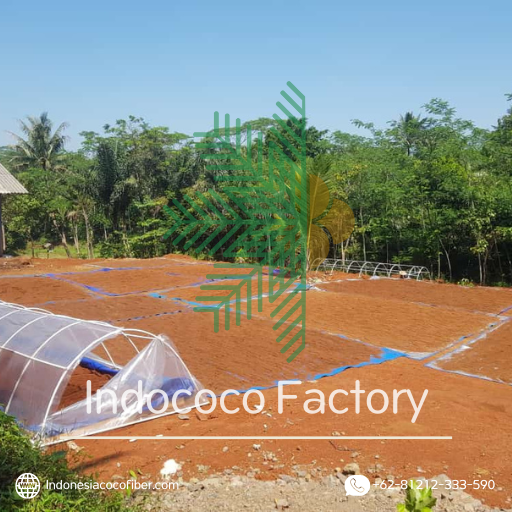
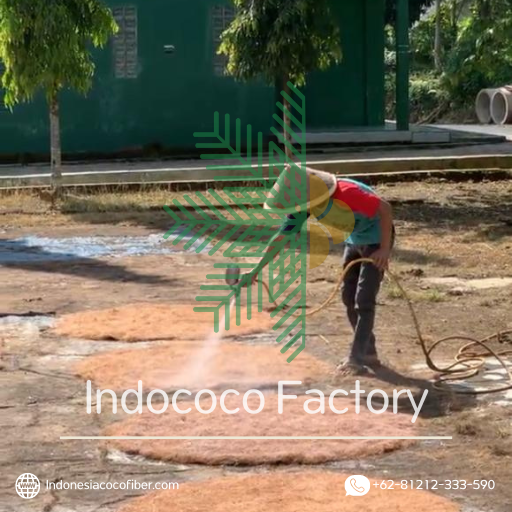
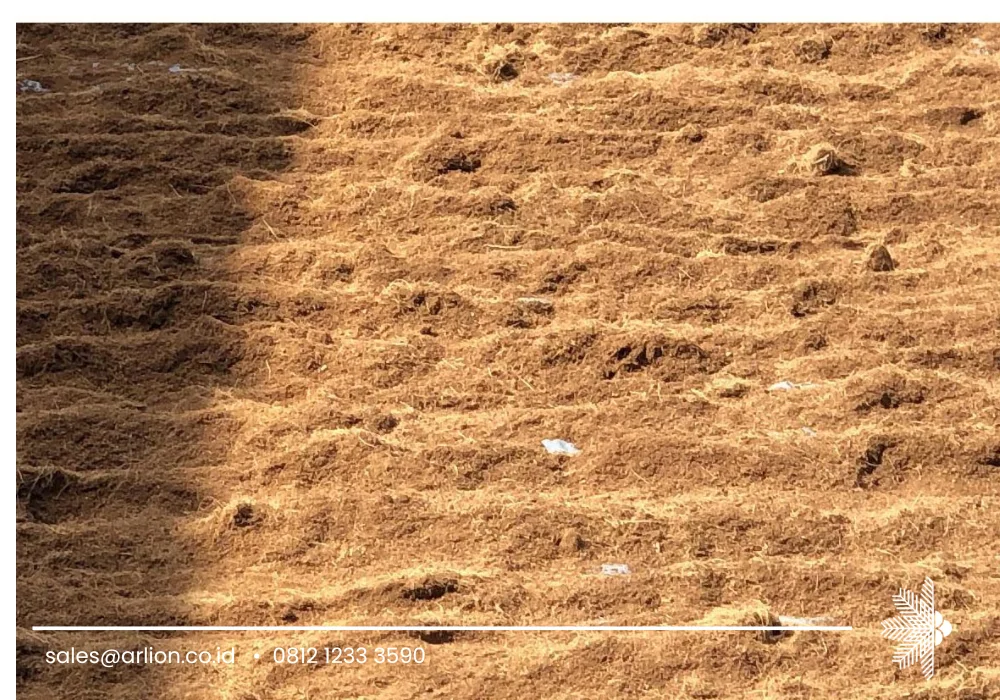
Drying is another essential stage because excessive moisture can create storage and transportation problems. Properly dried fiber is easier to package and handle during international shipping. Once the material reaches the desired condition, it can be sorted, compressed, and packed according to customer requirements.
Applications of High-Quality Coco Fiber
Coco fiber serves a broad range of industries because its natural properties provide useful mechanical and environmental benefits. Furniture manufacturers commonly use it for mattresses, cushions, upholstery, and other products requiring resilient natural filling. Its fibrous structure provides support while offering an alternative to certain synthetic materials.
Agriculture is another major application area. Coco fiber can be incorporated into soil protection products, planting systems, and landscaping materials. Coir-based erosion control products are especially useful for protecting exposed soil while vegetation becomes established naturally.
The automotive and industrial sectors are also exploring natural fiber applications. Coconut fiber can contribute to composite materials and interior components where lightweight and renewable materials are desirable. Continued research and product development may create even more opportunities for coconut fiber in specialized manufacturing.
Quality Control Throughout Production
Consistent quality is essential when coconut fiber is used for commercial manufacturing. A professional producer should maintain quality checks from the arrival of raw materials until finished products are prepared for shipment. This systematic approach helps ensure every order matches previously established specifications.
Important characteristics may include fiber length, moisture level, cleanliness, color, and physical strength. Different industries require different specifications, so manufacturers should understand the intended application before recommending a particular grade. Proper product matching can improve production efficiency while reducing unnecessary material waste.
Sustainable Coco Fiber Production
Sustainability is one of the strongest advantages associated with coconut fiber manufacturing. Coconut husks are generated naturally during coconut processing, creating an opportunity to transform an agricultural by-product into a valuable commercial material. This process reduces waste while generating additional economic value from existing resources.
Coconut fiber is also biodegradable under suitable environmental conditions. After its useful life, it can naturally decompose instead of remaining in the environment for extended periods like many synthetic materials. These characteristics make coco fiber increasingly attractive to companies developing sustainable products and reducing their environmental footprint.
Responsible manufacturing can provide benefits beyond environmental protection. Coconut processing creates opportunities for farmers, workers, and local businesses connected to the supply chain. A growing coconut fiber industry can therefore support rural economies while meeting international demand for renewable materials.
Selecting the Right Manufacturing Partner
Businesses should evaluate several factors before choosing a manufacturing partner. Production capacity, quality standards, processing technology, customization options, packaging capabilities, and export experience can all influence the success of a long-term partnership.
It is also useful to discuss specifications clearly before confirming an order. Buyers should communicate expected fiber characteristics, quantities, packaging preferences, and delivery schedules. Requesting samples can provide additional confidence by allowing manufacturers to evaluate the material before placing larger orders.
Conclusion
A professional Coco Fiber Manufacturer can provide businesses with consistent natural fiber while supporting sustainable production and efficient resource utilization. From raw material preparation to final packaging, careful manufacturing processes help ensure that coconut fiber meets the needs of different industries.
As global companies continue searching for renewable alternatives, the demand for high-quality coco fiber is expected to remain strong. Working with an experienced manufacturer allows buyers to access dependable products, customized specifications, and stable production capacity while contributing to a more sustainable use of coconut resources.
For further information, please contact WhatsApp (+62) 812-1233-3590 or email sales@arlion.co.id.