
Introduction to Coconut Coir Fiber Uses
The increasing interest in natural and sustainable materials has led to a renewed focus on coconut coir fiber uses across a wide range of industries. Derived from the husk of coconuts, coir fiber is a durable, versatile, and biodegradable material. It is widely appreciated not only for its strength and resilience but also for its eco-friendly attributes. In this article, we will explore the various applications of coconut coir fiber in agriculture, construction, manufacturing, and lifestyle products.
What is Coconut Coir Fiber?
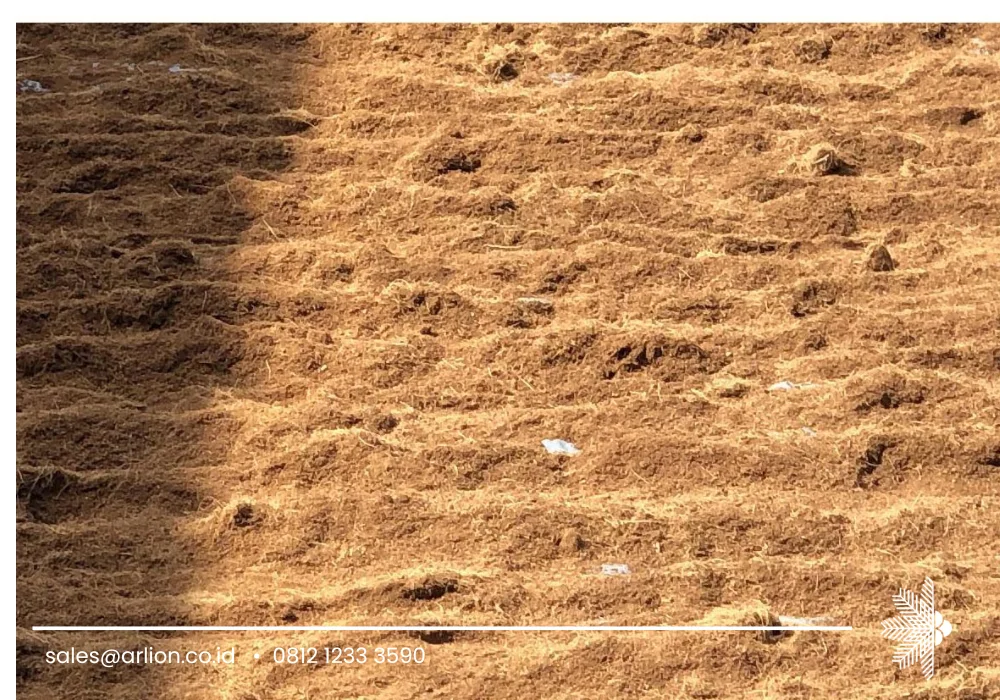
Coconut coir fiber is extracted from the outer husk of coconuts, which is composed of coir pith (coco peat) and coir fiber. The long fibers are typically processed through retting, drying, and combing to create strands that are strong yet flexible. These fibers have been used traditionally in coastal countries, but their applications have expanded globally due to increased environmental awareness.
Major Coconut Coir Fiber Uses
1. Agricultural Applications
One of the most prominent coconut coir fiber uses is in agriculture and horticulture. The fiber itself is often used in combination with coco peat to support plant growth and manage soil quality. Here are some agricultural uses:
- Erosion Control: Coir mats and nets are installed on slopes and riverbanks to prevent soil erosion. These biodegradable products decompose naturally, enriching the soil.
- Mulching: Coir fiber mats act as mulch to regulate soil temperature and retain moisture, reducing the need for constant watering.
- Growing Mediums: In combination with other natural materials, coir fiber provides aeration and structure for seed starting and hydroponics.
2. Construction and Infrastructure
Another growing segment for coconut coir fiber uses is in the construction industry. The material is used for its soundproofing, insulation, and reinforcing capabilities.
- Insulation Boards: Coir fiber boards offer natural thermal insulation, especially in eco-friendly buildings.
- Geo-textiles: Coir nets and blankets are used in landscaping and civil engineering to stabilize terrain.
- Reinforced Composites: Coir fibers are being tested and used in bio-composites to reinforce concrete and other materials.
These applications help reduce reliance on synthetic, non-biodegradable materials in construction.
3. Automotive and Furniture Manufacturing
Automobile manufacturers are increasingly using coconut coir fiber for car seats, floor mats, and door panels due to its light weight and resilience.
- Car Seats: Coir mixed with natural latex creates cushioning that is breathable and biodegradable.
- Mattresses and Cushions: Coconut fiber provides firm yet flexible support, making it ideal for orthopedic mattresses.
- Upholstery Padding: Coir is used in chairs and sofas for both comfort and sustainability.
This usage aligns with the global shift toward green manufacturing in consumer goods.
4. Household and Lifestyle Products
Coconut coir fiber is widely used in the production of various household and lifestyle goods. Some examples include:
- Doormats and Rugs: Known for their durability and ability to trap dirt, coir mats are a staple in many households.
- Brooms and Brushes: Coir bristles are stiff enough to sweep dirt yet soft enough for delicate surfaces.
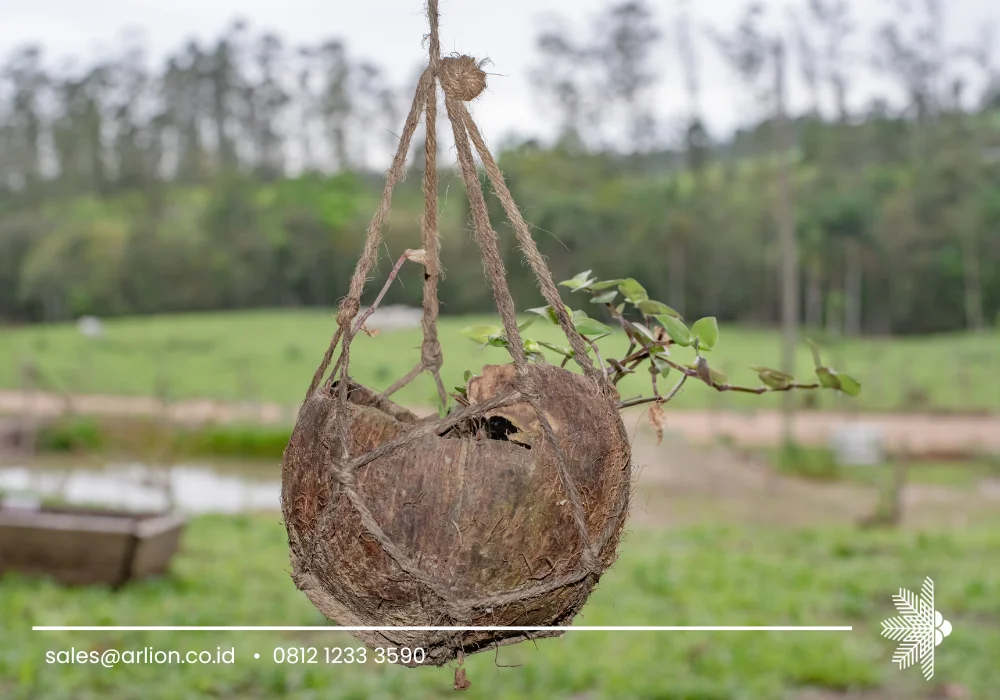
- Handicrafts: Artisans use coir to create eco-friendly décor items, bags, and mats.
These uses emphasize the fiber’s natural aesthetic and strength, blending functionality with environmental consciousness.
5. Packaging and Industrial Use
With the rising need for sustainable alternatives in packaging, coconut coir fiber uses have expanded into biodegradable packaging materials.
- Protective Padding: Coir is used to cushion fragile items during shipping.
- Bio-packaging: As an alternative to plastic, coir fiber is being molded into containers and packaging materials.
These innovations support zero-waste initiatives and help reduce plastic pollution.
Environmental Benefits of Coir Fiber
The extensive coconut coir fiber uses are not just practical; they also offer a number of environmental benefits:
- Biodegradability: Unlike plastic or synthetic fibers, coir decomposes naturally without leaving harmful residues.
- Sustainable Resource: Coconut trees produce coconuts throughout the year, making coir a readily available and renewable material.
- Low Environmental Impact: The processing of coir fiber typically requires less energy and generates minimal waste.
These attributes make coir fiber a valuable material in the push for environmentally responsible production and consumption.
Conclusion
The many coconut coir fiber uses across agriculture, construction, manufacturing, and everyday life highlight its versatility and environmental value. As industries and consumers seek sustainable alternatives to synthetic materials, coconut coir fiber presents itself as a cost-effective and earth-friendly solution. Its strength, biodegradability, and renewability make it an essential material for a greener future.
For more information, feel free to contact us via WhatsApp at (+62) 812-1233-3590 or email us at sales@arlion.co.id.