
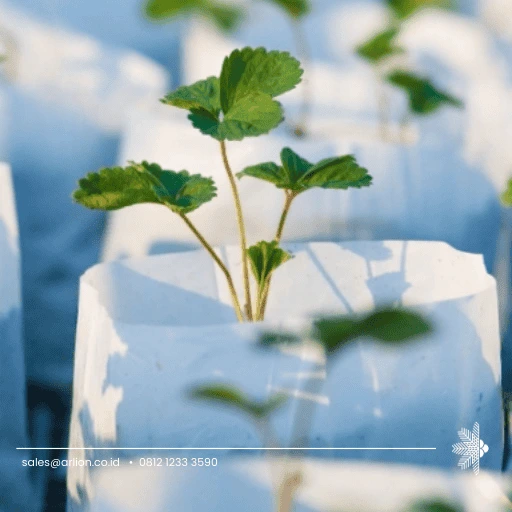
Modern agriculture requires growing media that support healthy root development while maintaining consistent growing conditions. High Grade Coco Peat has become a popular choice among growers seeking a natural alternative to conventional soil-based materials. Made from processed coconut husks, this organic growing medium offers useful water retention, aeration, and flexibility for different cultivation systems.
As demand for sustainable horticultural products increases, coco peat continues to gain attention in international agricultural markets. Its performance depends on processing methods, raw material selection, and quality control. Choosing a suitable grade can help growers achieve more predictable results across various planting environments.
What Is High Grade Coco Peat?
High Grade Coco Peat is a carefully processed material derived from the fibrous outer husk of coconuts. During production, coconut husks are separated into different components, including coco fiber and fine coir pith. The fine particles are then processed into coco peat for use as a growing medium.
The term high grade generally refers to products that meet specific quality requirements. These may include controlled moisture content, consistent particle size, low electrical conductivity (EC), and suitable pH levels. Depending on the intended application, buyers may also require washed, buffered, or compressed products.
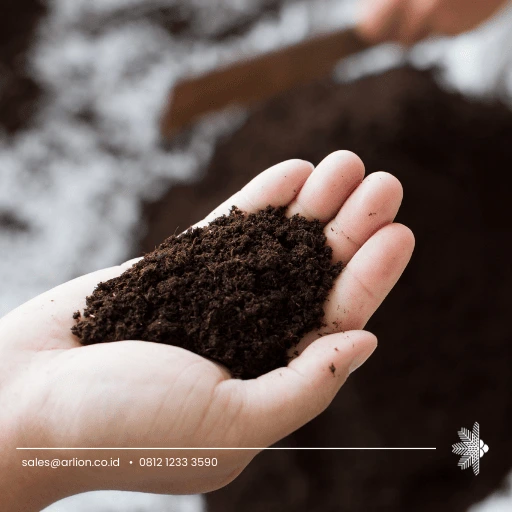
Unlike ordinary soil, coco peat has a lightweight and porous structure. It can retain moisture while maintaining spaces that allow air to circulate around plant roots. These characteristics make it useful for both commercial growers and smaller horticultural operations.
Key Benefits of High Grade Coco Peat for Plant Growth
One of the main reasons growers choose High Grade Coco Peat is its ability to balance moisture retention and aeration. Its fibrous structure absorbs water and gradually releases moisture as plants require it. This helps create a more stable growing environment when watering is properly managed.
Another advantage is its lightweight composition. Compared with many traditional growing materials, coco peat is easier to handle and transport, particularly when supplied in compressed blocks or briquettes. Once hydrated, the material expands and becomes ready for mixing or direct use.
Coco peat also provides a flexible foundation for different cultivation systems. Growers can combine it with other materials to adjust drainage, aeration, and moisture retention. For example, blending coco peat with perlite can create a growing medium with improved drainage characteristics.
However, coco peat is not a complete fertilizer. Although it may contain naturally occurring minerals, plants still require a balanced nutrient supply. Appropriate fertilization and regular monitoring remain important for healthy development.
Applications in Horticulture and Commercial Farming
High-quality coco peat supports a wide range of agricultural applications. Its physical properties make it suitable for different plants and cultivation methods.
Greenhouse cultivation: Commercial greenhouse operators use coco peat for growing vegetables, herbs, and ornamental plants. Its consistent structure helps maintain suitable root conditions in controlled environments.
Hydroponic systems: Coco peat is commonly used as a substrate in selected hydroponic setups. It provides physical support for plant roots while retaining nutrient solutions. Growers must manage irrigation and nutrient delivery carefully because coco peat does not supply all essential plant nutrients.
Nurseries and seed propagation: The material can be incorporated into seed-starting mixes and nursery substrates. Its moisture retention helps maintain growing conditions during early plant development.
Container gardening: Coco peat is also suitable for pots, grow bags, and other planting containers. It can be used alone for certain applications or blended with other growing media according to plant requirements.
Quality Standards to Look for When Buying Coco Peat
Not every coco peat product offers the same performance. Differences in processing and raw materials can influence its suitability for specific crops. Buyers should review several technical characteristics before choosing a supplier.
- Electrical conductivity (EC): Lower EC levels are often preferred for sensitive plants and controlled cultivation systems because excessive soluble salts may affect nutrient uptake.
- pH level: Coco peat generally has a slightly acidic to near-neutral pH, although the exact range varies by product and processing method.
- Particle size: Fine, medium, and coarse grades provide different levels of water retention and aeration.
- Moisture content: Appropriate moisture levels support storage stability and efficient transportation.
- Expansion rate: Compressed coco peat should expand consistently after hydration, making volume and expansion specifications important.
- Cleanliness: The product should be free from excessive dust, unwanted debris, and other contaminants.
For commercial buyers, requesting laboratory test results and product samples can help verify whether the material meets the requirements of a particular growing system.
Washed, Buffered, and Compressed Coco Peat
Processing methods influence the final characteristics of coco peat. Washed coco peat undergoes a cleaning process to reduce excess soluble salts. This option can be useful for applications where salinity needs to be carefully controlled.
Buffered coco peat receives an additional treatment designed to manage the material’s natural cation exchange characteristics. This can help reduce potential nutrient interactions, particularly involving calcium and magnesium. The treatment is relevant for growers who require more consistent nutrient management.
Compressed coco peat is processed into blocks, bricks, or briquettes. These formats reduce storage and shipping volume because the material expands after water is added. Buyers should confirm the expansion ratio and moisture specifications before ordering.
Why Choose a Reliable High Grade Coco Peat Supplier?
Supplier selection affects product consistency, delivery reliability, and overall purchasing efficiency. Exporters should be able to explain their processing methods and provide specifications that match the buyer’s intended application.
For international buyers, packaging and transportation arrangements also deserve attention. Compressed products are commonly preferred for bulk shipments because they use container space efficiently. Clear labeling and suitable packaging help protect the material during handling and distribution.
A dependable supplier should also communicate available grades, customization options, and quality documentation. These details make it easier for distributors, agricultural companies, and greenhouse operators to evaluate products before making larger purchases.
Conclusion
High Grade Coco Peat offers a practical growing medium for modern horticulture, greenhouse cultivation, hydroponics, and nursery production. Its ability to retain moisture, support aeration, and adapt to different growing systems makes it a valuable material for commercial agriculture.
The right product depends on crop requirements and cultivation methods. By evaluating EC levels, pH, particle size, processing methods, and expansion performance, buyers can select coco peat that supports consistent growing conditions. Working with a reliable supplier also helps ensure product quality and a more efficient supply process.
For further information, please contact WhatsApp (+62) 812-1233-3590 or email sales@arlion.co.id.