
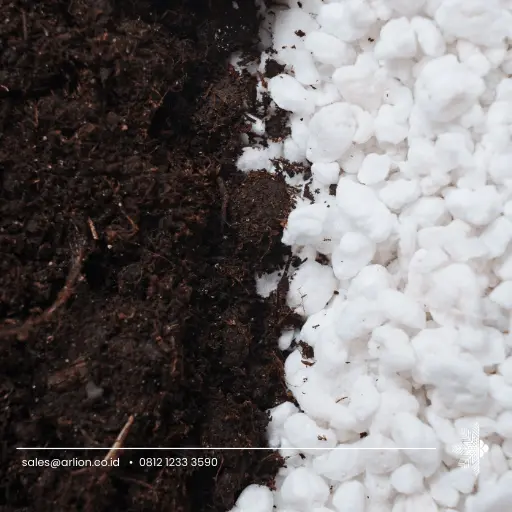
Modern horticulture requires growing media that maintain consistent moisture while providing enough oxygen for healthy root development. Coco Perlite offers a practical solution by combining coconut-based growing material with lightweight mineral particles. This blend supports water management, drainage, and aeration across different cultivation systems.
Coco peat, commonly called coco coir, comes from processed coconut husks. Perlite is a lightweight volcanic material that expands when heated, creating a porous structure. When combined, these components provide complementary physical properties that can benefit plants grown in containers, greenhouses, and controlled environments.
What Makes Coco Perlite Different?
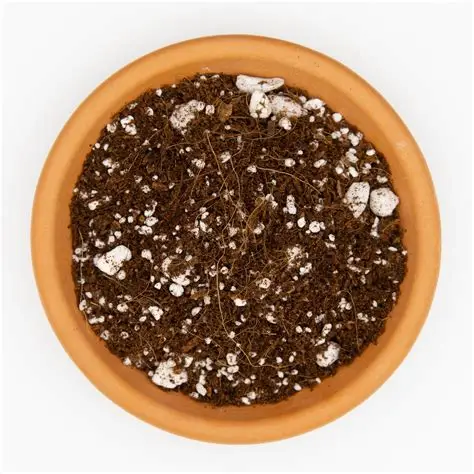
Coco Perlite combines the water-holding capacity of coco peat with the air spaces created by perlite. Coco peat absorbs and retains moisture, helping roots access water between irrigation cycles. Perlite introduces additional pores that improve drainage and air circulation within the growing medium.
This combination can reduce the risk of prolonged saturation when the blend is prepared correctly. However, its performance depends on the ratio of coco peat to perlite, particle size, container dimensions, and irrigation practices. A suitable formulation should match the needs of the crop rather than follow one universal mixing ratio.
Benefits of Coco Perlite for Root Development
Healthy roots require both water and oxygen. A growing medium that holds excessive moisture can restrict oxygen availability, while one that drains too quickly may leave plants dehydrated. Coco perlite helps growers balance these competing requirements.
Coco peat stores water within its fibrous structure, while perlite creates air-filled spaces after irrigation. This arrangement supports moisture availability without necessarily leaving the entire root zone saturated. The result can be a more suitable environment for developing roots when watering and nutrient delivery are managed properly.
The blend also offers practical handling advantages. Coco peat is often supplied in compressed blocks or bricks, making transportation and storage more efficient. Perlite is lightweight and can be incorporated during substrate preparation, allowing growers to create customized mixtures for their cultivation systems.
Applications in Greenhouses and Hydroponics
Greenhouse vegetable production is one of the common applications for coco perlite. Tomatoes, cucumbers, peppers, and selected leafy vegetables can benefit from growing media that provide consistent moisture and sufficient root aeration. The blend is particularly useful in containers and grow bags where substrate properties influence irrigation frequency.
In hydroponic systems, coco perlite can serve as a substrate for soilless cultivation. Unlike systems where roots grow directly in circulating nutrient solutions, substrate-based hydroponics uses a solid growing medium to support plants while delivering water and nutrients through irrigation. Coco peat retains part of the solution, while perlite helps maintain air spaces.
Choosing the Right Coco Peat and Perlite Ratio
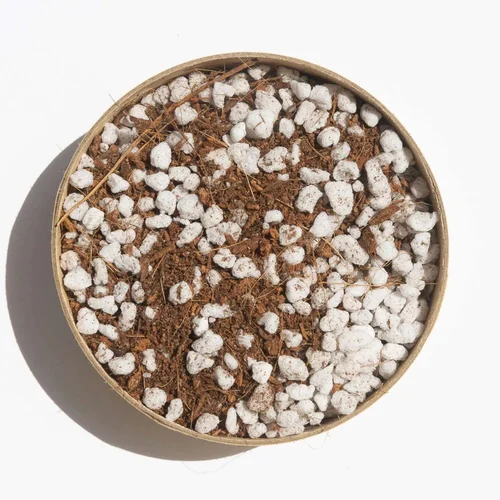
The ideal coco perlite ratio depends on the crop, climate, irrigation method, and growing container. A blend containing more coco peat generally retains more moisture, while increasing the proportion of perlite can improve drainage and aeration. These changes also influence how frequently plants need watering.
For example, growers in warm environments may prefer a formulation that retains sufficient water between irrigation cycles. Meanwhile, crops sensitive to excessive moisture may benefit from a more aerated mixture. Testing a small batch before preparing a large volume helps identify the appropriate balance.
Particle size deserves attention as well. Fine coco peat and small perlite particles can create a different structure from coarse coco chips and larger perlite. Buyers should consider the intended application when selecting substrate materials, especially for automated irrigation systems.
Quality Standards for Coco Perlite
Consistent growing media quality is essential for commercial cultivation. Coco peat should have suitable moisture content, particle size distribution, and electrical conductivity (EC). Excess soluble salts may interfere with water uptake, particularly for sensitive crops.
Perlite quality also affects performance. Appropriate particle sizes help establish air spaces and drainage characteristics, while clean material reduces the risk of unwanted contamination. Manufacturers should maintain consistent blending procedures to prevent uneven distribution throughout the product.
Buyers should request technical specifications before placing bulk orders. Useful information includes coco peat EC and pH, perlite particle size, mixing ratio, packaging format, and expected expansion volume. These details help growers evaluate whether the product matches their cultivation requirements.
Sustainability and Responsible Growing Media
Coco perlite can support more efficient use of agricultural resources by utilizing coconut husks as a growing medium. Coco peat is produced from a by-product of coconut processing, creating additional value from materials that might otherwise be underused.
Perlite is a mineral material, so the environmental impact of the blend also depends on mining, processing, transportation, and product management. Responsible sourcing and efficient irrigation practices remain important when evaluating sustainability.
Selecting a Reliable Coco Perlite Supplier
A dependable supplier should offer consistent substrate specifications, clear product information, and packaging suitable for storage and transportation. For commercial buyers, production capacity and delivery reliability are equally important because growing media shortages can disrupt planting schedules.
Requesting samples before purchasing in bulk allows growers to evaluate expansion, drainage, moisture retention, and handling. Suppliers with transparent quality control can also help buyers choose a blend suitable for their crops and irrigation systems.
Conclusion
Coco Perlite combines the moisture retention of coconut-based growing media with the aeration benefits of perlite. Its flexibility makes it suitable for greenhouse vegetables, hydroponics, nurseries, and container cultivation.
By selecting an appropriate blend and maintaining consistent irrigation, growers can create favorable conditions for root development and plant growth. Working with a reliable supplier helps ensure stable substrate quality and dependable performance across commercial horticultural operations.
For further information, please contact WhatsApp (+62) 812-1233-3590 or email sales@arlion.co.id.