– Indococo
Rice Husk
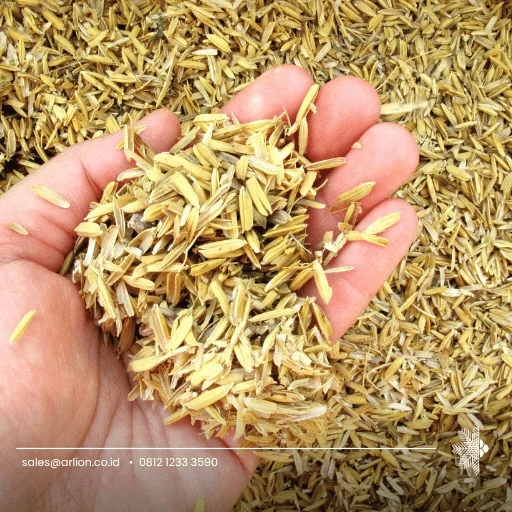
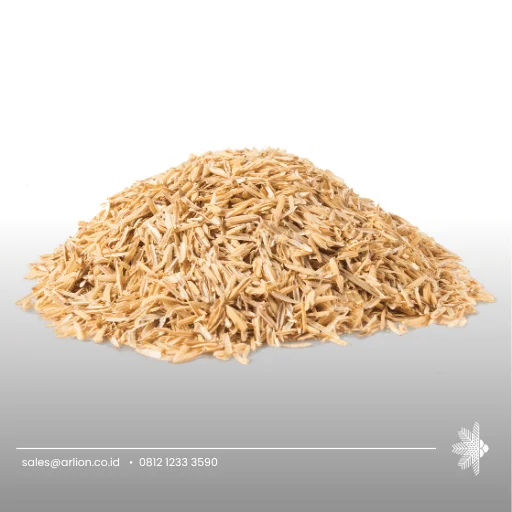
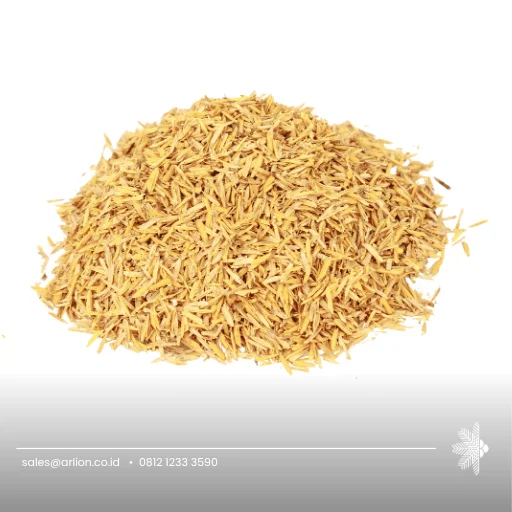
Rice husk is the hard protective covering separated from rice grains during milling. With its lightweight yet durable structure, it has become one of the most practical resources in agriculture and renewable energy.
Farmers and industries use it in various applications, from rice husk biomass for heat production to soil improvement and plant growth media. It also contributes to organic fertilizing and is a recognized sustainable soil amendment.
Beyond farming, rice husk is known for its role in creating biomass fuel and as a reliable material for animal bedding, making it beneficial for both agricultural and industrial purposes.

Eco-Friendly Material for Multiple Uses
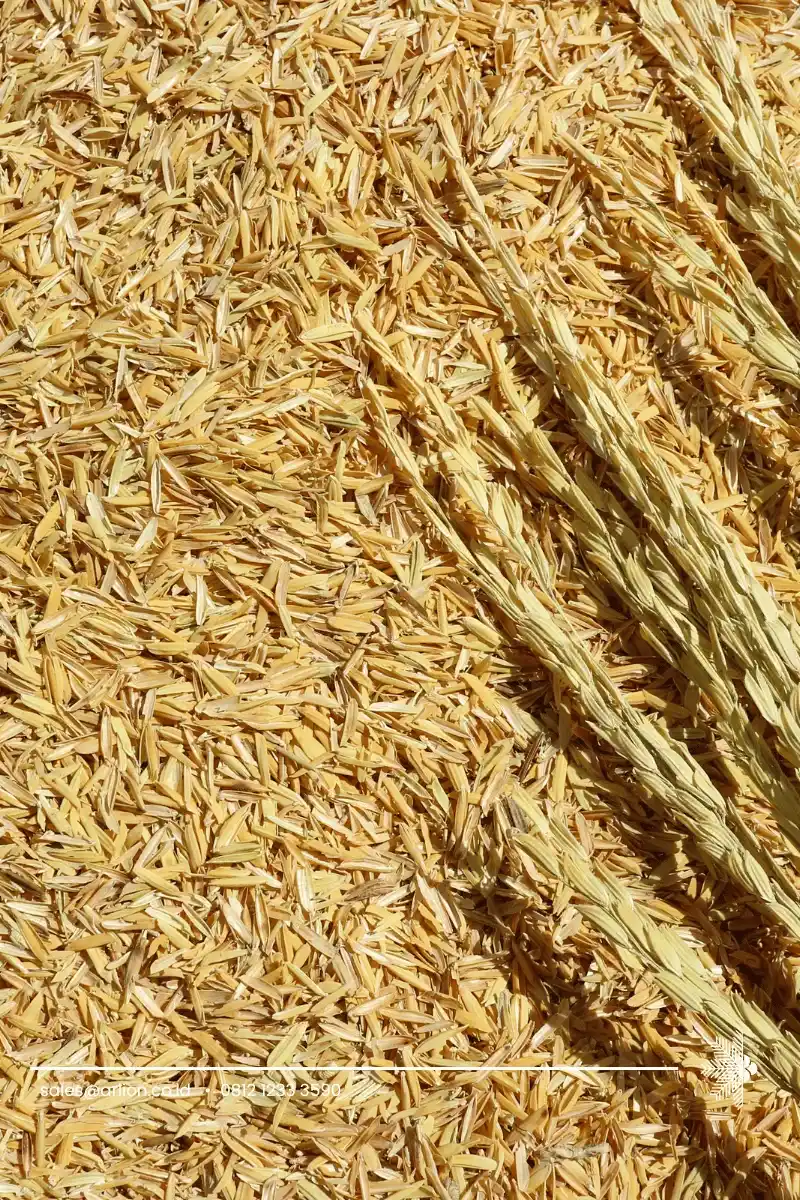
Rice hull is a versatile agricultural byproduct widely used in farming, gardening, and biomass fuel. It improves soil health, supports organic fertilizing, and offers sustainable energy solutions. Its multifunctional nature makes it essential for both agricultural and industrial applications.
Used For.
Agriculture & Soil Improvement
Rice husk is valued as part of rice hull uses because it enhances soil aeration and reduces compaction. It is often blended into soils as plant growth media, helping roots grow stronger and healthier. Farmers also apply it in gardening practices, as rice hulls for gardening help improve long-term soil fertility.
Renewable Energy & Biomass
Rice husk is widely used as biomass fuel because of its high calorific value. When burned, it produces heat and energy, making it a sustainable replacement for fossil fuels. This application reduces greenhouse gas emissions and promotes cleaner energy alternatives for industries.
Gardening & Mulching
In landscaping, rice husk is a natural option for mulch. Although lightweight, it effectively retains soil moisture, regulates temperature, and suppresses weed growth. Many gardeners prefer it because it is cost-effective and renewable, offering better results compared to synthetic mulching materials.
Livestock & Animal Bedding
It serves as effective rice hull bedding for chickens and other farm animals. Its absorbent natural texture keeps the floor dry, reducing odor and harmful bacteria in poultry houses. As animal bedding, it improves animal comfort while also significantly lowering maintenance costs for farmers.
Our Rice Husk Product