

Did you know that over 90% of the world’s soil is depleted? Finding a coco peat substitute for soil can help restore its vitality. Coco peat, also known as coir, a natural byproduct of coconut processing, offers excellent moisture retention and aeration. It’s lightweight and sustainable, making coco coir a top choice for gardeners and farmers alike due to its eco-friendly properties. Switching to coco peat can boost plant growth while reducing environmental impact. This blog explores the benefits of using coco peat and how it can enhance your gardening experience. Discover why this eco-friendly option is taking the gardening world by storm.
Understanding Coco Peat
What is Coco Peat
Coco peat, also known as coir pith, comes from coconut husks. The process involves soaking and grinding the husks to create a fine, spongy material. This substance is often used as a soil substitute or amendment in gardening. It retains moisture well and provides good aeration to plant roots.
Benefits for Gardening
Using coco peat substitute for soil offers several advantages for gardeners. First, it helps retain water, reducing the need for frequent watering. Second, it improves soil structure, allowing roots to grow better. Third, coco peat is lightweight, making it easy to handle and transport. It is free from pathogens and pests, promoting healthy plant growth.
- Water retention – Holds moisture effectively.
- Soil aeration – Enhances root development.
- Lightweight – Easy to work with.
- Pathogen-free – Reduces disease risks.
Environmental Impact
Coco peat has a positive environmental impact compared to traditional soil amendments. It is a renewable resource sourced from coconut farming. By using coco peat, fewer synthetic materials enter the ecosystem. However, sustainable harvesting practices are crucial to prevent damage to coconut plantations.

Comparing Peat Substitutes
Coco Peat vs Wood Fiber
Coco peat is a popular peat moss alternative. It retains moisture well and improves soil aeration. Wood fiber also serves as a substitute. It provides structure but holds less water than coco peat. Both options are renewable, making them better choices than using standard peat.
Compost as an Option
Compost is another effective option. It enriches soil with nutrients and improves drainage. Many gardeners find compost easy to make at home. Mixing it with coco peat can enhance its benefits. This combination creates an excellent soil substitute for various plants.
Sand and Bentonite Clay
Sand is often used in gardening mixes. It improves drainage and prevents soil compaction. Bentonite clay adds moisture retention properties. This combination can create a balance between air and water in the soil. Both materials are widely available and affordable.
Advantages and Drawbacks
Key Benefits of Coco Peat
Coco peat offers several key benefits as a soil substitute. It comes from the husks of coconuts, making it a renewable resource. This material is lightweight and easy to handle. It retains moisture well, which helps plants during dry periods.
Coco peat also provides good aeration for roots. This allows them to get enough oxygen. It contains essential nutrients that support plant growth. Many gardeners appreciate its ability to improve soil structure. Using coco peat can lead to healthier plants overall.
Potential Disadvantages
Despite its advantages, there are some potential drawbacks to using coco peat. Some users report that it can be expensive compared to traditional soil options. The initial cost may deter some gardeners from trying it out.
Another concern is the salt content in certain batches of coco peat. High salt levels can harm sensitive plants. It’s important to wash and treat coco peat before use.
Some people comment on its limited nutrient availability over time. While it initially has nutrients, they may deplete quickly without proper supplementation. As a result, users need to monitor their plants closely.
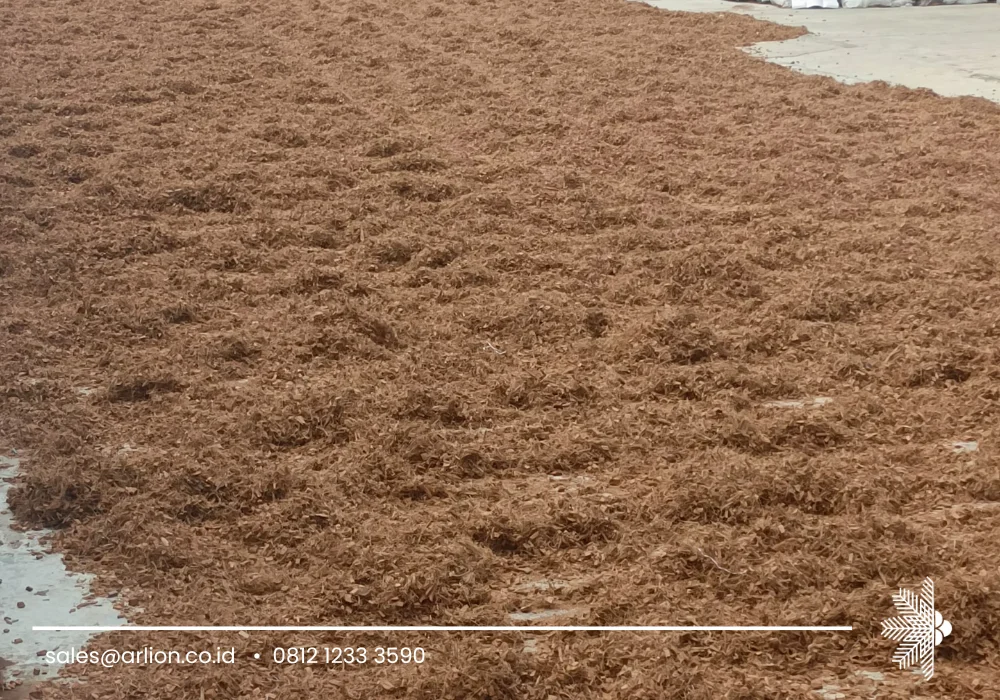
Using Coco Peat Effectively
Mixing Ratios with Soil
Coco peat substitute for soil is a versatile material. It can be mixed with soil in various ratios. A common recommendation is to use 1 part coco coir to 2 parts soil. This ratio provides good drainage and aeration. Some gardeners prefer a 50/50 mix for potting soil. This creates a lightweight medium that retains moisture without becoming waterlogged.
Moisture Retention Tips
Coco peat has excellent moisture retention properties. It can hold up to 10 times its weight in water. To maximize this, soak the coco before use. This helps it expand fully and retain moisture better. Regularly check the moisture level in your pots. Over time, coco may dry out faster than traditional soil. Adding mulch can also help keep moisture locked in.
Compatibility with Amendments
Coco coir mixes well with various amendments. It pairs nicely with peat moss and perlite for improved drainage and aeration. Adding compost boosts nutrient levels, making it ideal for plant growth. Many gardeners combine coco with fertilizers for enhanced results. Always ensure that any amendments complement the properties of coco peat.
Practical Applications
Indoor Planting Techniques
Coco peat serves as an excellent substitute for soil in indoor planting. It retains moisture well, which helps plants thrive. Many products use coco peat for potting mixes. These mixes provide good aeration and drainage. As a result, indoor plants grow healthier and stronger.
Using coco peat can also reduce the weight of pots. This makes it easier to move them around. People often notice improved results in plant growth when using coco peat compared to traditional soil.
Outdoor Gardening Uses
In outdoor gardening, coco peat is versatile. Gardeners mix it with soil to improve texture and water retention. This combination supports root development and reduces watering frequency. Many people find that plants grown in this mixture yield better crops.
Coco peat also acts as a mulch. It helps suppress weeds and maintain soil temperature. This can lead to healthier garden beds and more productive plants.
Hydroponic System Integration
Hydroponic systems benefit greatly from using coco peat. It provides a stable medium for plants without soil. The structure allows roots to access nutrients easily while retaining moisture.
Growers find that integrating coco peat into hydroponics leads to faster growth rates. It supports various types of crops, from vegetables to flowers. As a result, many hydroponic farmers prefer this medium for its effectiveness.

Final Remarks
Coco peat substitute for soil is a game-changer for your gardening needs. It offers a sustainable alternative to traditional soil, delivering great moisture retention and aeration. You’ve seen the benefits and potential drawbacks, but it’s clear that with proper use, coco peat can enhance plant growth and health.
Explore its practical applications and consider how it can fit into your gardening routine. Whether you’re a seasoned gardener or just starting out, coco peat can elevate your planting game. Don’t miss out on this eco-friendly option. Dive in, experiment, and watch your plants thrive. Happy gardening!
Frequently Asked Questions
What is coco peat?
Coco peat, also known as coir pith, is a natural fiber extracted from coconut husks. It serves as an excellent soil amendment or growing medium due to its water retention and aeration properties.
How does coco peat compare to traditional peat moss?
Coco peat is more sustainable than traditional peat moss. It retains moisture well, improves soil structure, and promotes root development without depleting natural bogs, making it an eco-friendly alternative.
Can coco peat be used alone for planting?
Yes, coco peat can be used alone for planting, but it’s often mixed with other materials like perlite or vermiculite for improved drainage and nutrient retention.
What are the benefits of using coco peat in gardening?
Coco peat enhances soil aeration, retains moisture, and provides a stable pH. It’s lightweight, biodegradable, and supports healthy root growth, making it ideal for various gardening applications.
Are there any drawbacks to using coco peat?
While coco peat has many advantages, it can sometimes contain high salt levels. It’s essential to rinse it before use to avoid potential harm to plants.
How can I effectively use coco peat in my garden?
Mix coco peat with soil or other amendments to improve texture and moisture retention. Use it in pots, seed starting mixes, or as a top dressing for established plants.
Where can I buy coco peat?
Coco peat is available at garden centers, online retailers, and specialty gardening stores. Ensure you choose high-quality products for the best results in your gardening endeavors.
If you interest to know more information about coco peat and other coconut derivative products, you can visit our website www.indonesiacocofiber.com . You can also click link WhatsApp here to connect directly with us.