
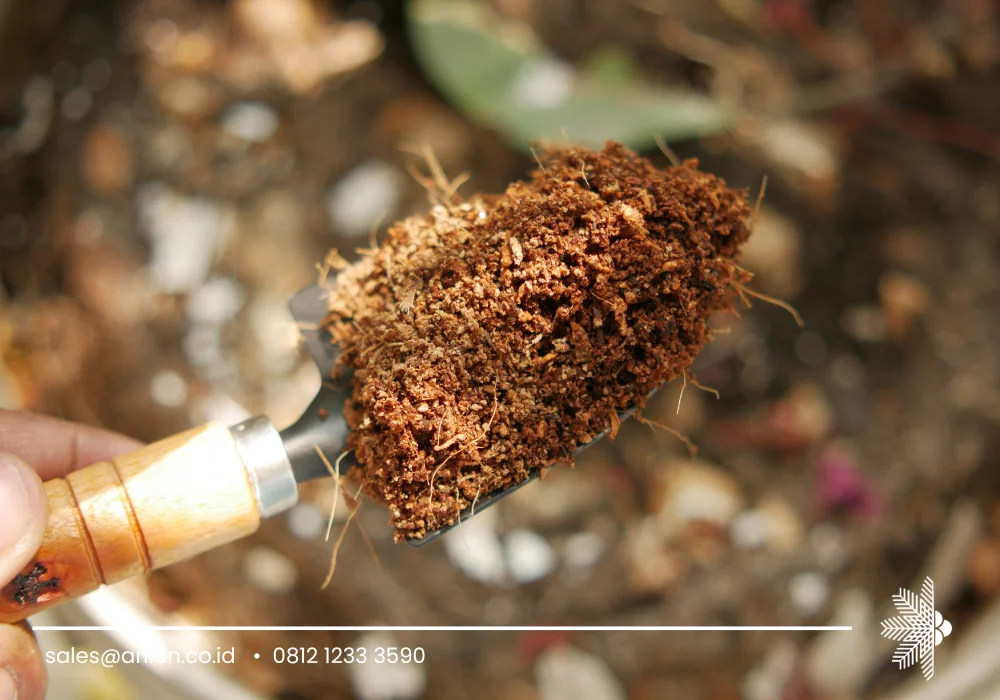
Coco peat water retention is a game-changer for gardeners and farmers. This natural growing medium, derived from coconut husks, has been used for centuries in tropical regions. Its ability to hold moisture makes it perfect for enhancing soil health. Coco peat improves aeration and encourages root growth, leading to healthier plants. Sustainable and eco-friendly, it’s a top choice for those looking to conserve water while boosting plant productivity. Discover how incorporating coco peat water retention can transform your gardening experience and contribute to a greener planet.
Understanding Coco Peat
What is Coco Peat
Coco peat, also known as coir pith, comes from coconut husks. It is a natural, renewable resource. The process involves soaking and grinding the husks to create a fluffy material. This material has excellent water retention properties. It can hold moisture up to eight times its weight.
Benefits of Using Coco Peat
Using coco peat water retention in gardening and agriculture has many benefits that can help plants grow better. One advantage is that it can make the soil structure better. This means that the soil becomes lighter and air can move through it more easily. When this happens, roots can grow stronger and healthier because they have enough space to spread out and get the nutrients they need. Another great thing about coco peat is that it can hold onto water really well. This is important because it means you don’t have to water your plants as often, which can save you time and effort.
Additionally, coco peat is a good choice for the environment because it is made from coconut husks, which are biodegradable. This means that when you use coco peat, you are not only helping your plants but also reducing waste from coconut production, which is good for the planet. So, if you want to improve your garden or farm in a sustainable way, consider using coco peat to see the difference it can make!
Common Forms of Coir
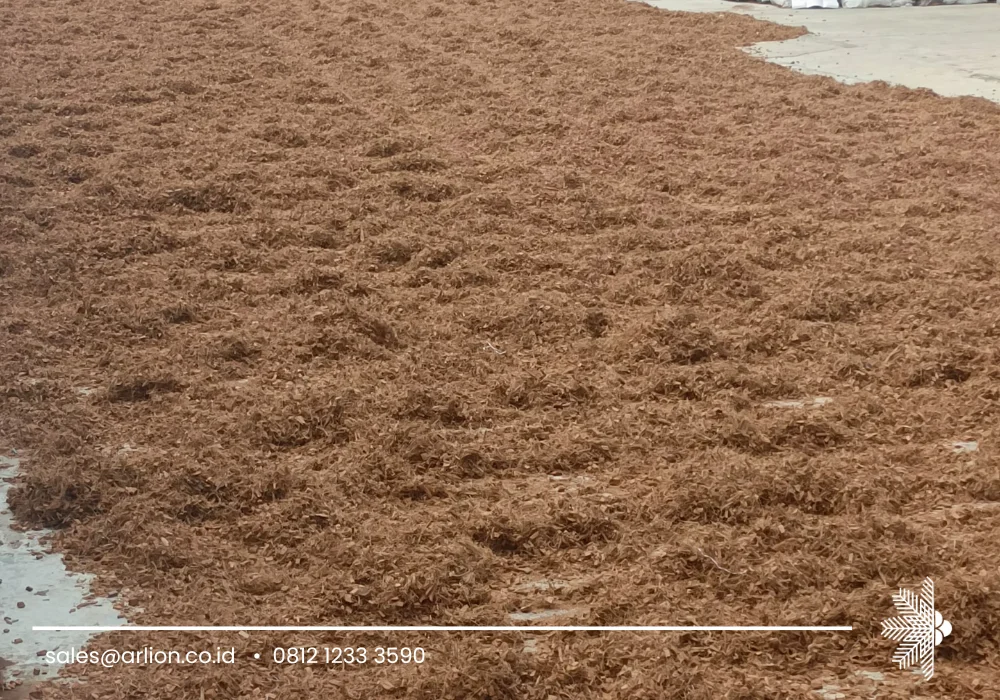
Coco peat comes in various forms for different uses. The most common forms are bricks, blocks, and loose fibers.
- Bricks: These are compressed coco peat that expands when soaked in water.
- Blocks: Similar to bricks but larger; they provide more volume.
- Loose fibers: These are ready to use and ideal for potting mixes.
Each form serves specific needs in gardening or horticulture.
Hydrating Coco Coir
Importance of Proper Hydration
Proper hydration is essential for plant growth. Plants rely on water to absorb nutrients. Without enough moisture, plants can wilt or die. Healthy hydration promotes strong root systems. This leads to better nutrient uptake and overall plant health.
Coco Peat Water Retention
Coco coir has excellent water retention properties. It can hold up to eight times its weight in water. This makes it a popular choice for gardeners. The fibrous structure of coco coir allows it to retain moisture while providing aeration. This balance prevents overwatering and encourages healthy root development. Studies show that coco coir can improve soil moisture levels compared to traditional soils.
How to Rehydrate Coco Coir
Rehydrating coco coir is simple and effective. Start by breaking apart the dry blocks of coir. Next, soak them in water for about 30 minutes. The coir will expand as it absorbs moisture. After soaking, squeeze out any excess water before use. This ensures the coir is ready for planting.
Follow these steps for optimal results:
- Break apart dry coco coir.
- Soak in water for 30 minutes.
- Squeeze out excess water.
- Use in potting mixes or garden beds.
Enhancing Water Retention
Techniques for Better Absorption
Coco peat water retention can hold a significant amount of water. To enhance its absorption, you can mix it with other materials. For example, adding perlite or vermiculite improves drainage and aeration. This combination helps maintain moisture without waterlogging. Another technique is soaking coco peat before use. Soaking allows the fibers to expand and absorb more water.
Using a proper ratio is crucial. A common blend is 70% coco peat and 30% perlite. This mix promotes optimal water retention while ensuring adequate airflow.
Factors Affecting Retention Rate
Several factors influence how well coco peat water retention retains water. The particle size plays a role; finer particles tend to hold more moisture. The degree of compression affects retention. Highly compressed coco peat holds less water than loose material.
The environmental conditions also matter. Temperature and humidity levels impact evaporation rates. In hotter climates, water retention decreases quickly. Regular monitoring helps manage moisture levels effectively.
Comparing with Other Mediums
Coco peat compares favorably with other growing mediums like soil and rock wool. Unlike soil, coco peat provides better aeration and drainage. It retains moisture longer than traditional soil. Rock wool offers excellent drainage but dries out quickly.
Coco peat also has a neutral pH level, making it suitable for various plants. Its sustainability is another advantage over synthetic options like foam or plastic.
Reader Interactions
Common Questions Answered
Many people wonder how coco peat improves water retention. Coco peat can hold up to 10 times its weight in water. This makes it an excellent choice for plants that need consistent moisture. Users often ask about the best way to use coco peat. Mixing it with soil at a ratio of 1:3 can enhance drainage while retaining moisture.
Another frequent question is about the lifespan of coco peat. It typically lasts for one to two years before breaking down. Some users also inquire if coco peat is safe for all types of plants. Most plants benefit from its use, but it’s essential to monitor specific needs.
Tips from Experienced Users
Experienced users recommend soaking coco peat before use. This helps it expand and retain moisture better. Another tip is to add nutrients to the coco peat mix. Nutrients can help support plant growth alongside improved water retention.
Regularly checking moisture levels is crucial. Users suggest using a moisture meter for accuracy. This tool ensures plants get the right amount of water without overwatering.
Share Your Experiences
Sharing personal experiences can help others understand the benefits of coco peat. Many gardeners have reported improved plant health after switching to this medium. Some have even noted reduced watering frequency, which saves time and resources.
Engaging with other users can provide valuable insights. Online forums and social media groups are great places to ask questions or share tips.

Final Remarks
Coco peat water retention is a game changer for your gardening needs. Its ability to retain water makes it an essential component for healthy plant growth. You now know how to hydrate coco coir and enhance its water retention properties effectively. This knowledge empowers you to make better choices for your plants.
Don’t underestimate the benefits of using coco peat in your gardening routine. Experiment with it and see the difference it makes. Your plants will thrive, and you’ll enjoy a lush garden. Dive into this sustainable solution today and transform your gardening experience. Happy planting!
Frequently Asked Questions
What is coco peat?
Coco peat, also known as coir pith, is a natural fiber extracted from coconut husks. It’s widely used in gardening and horticulture for its excellent water retention and aeration properties.
How does coco peat help with water retention?
Coco peat can absorb up to 10 times its weight in water. This ability helps maintain soil moisture, reducing the need for frequent watering and promoting healthier plant growth.
Can I use coco peat alone for planting?
While coco peat provides great benefits, it’s best used in combination with other growing mediums like perlite or compost. This mix enhances drainage and nutrient availability.
How do I hydrate coco coir before use?
To hydrate coco coir, soak it in water for about 30 minutes. Once expanded, fluff it up to ensure even moisture distribution before adding it to your potting mix.
Is coco peat environmentally friendly?
Yes, coco peat is a sustainable product made from renewable coconut resources. Its use helps reduce plastic waste by providing an eco-friendly alternative to traditional soil amendments.
How often should I water plants using coco peat?
With coco peat water retention, you may need to water less frequently. Check the moisture level; typically, watering every 5-7 days is sufficient, depending on your plant’s needs.
Can coco peat be reused?
Absolutely! After cleaning and rehydrating, coco peat can be reused for multiple planting cycles. This not only saves money but also contributes to sustainable gardening practices.
If you interest to know more information about coco peat and other coconut derivative products, you can visit our website www.indonesiacocofiber.com . You can also click link WhatsApp here to connect directly with us.