

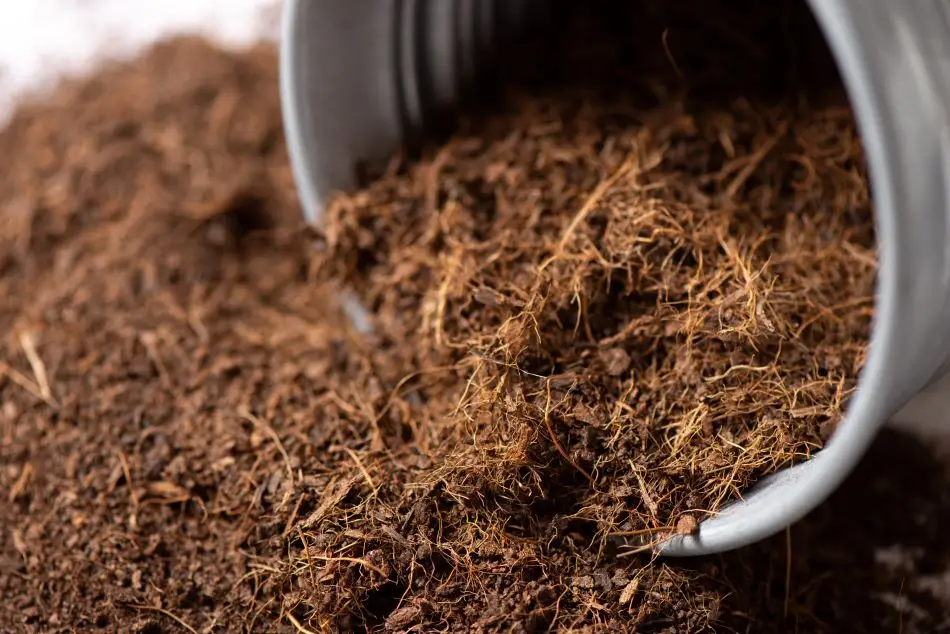
Coconut coir use has become increasingly popular among gardeners and eco-conscious individuals alike due to its versatility and sustainability. Derived from the fibrous husks of coconuts, coconut coir use offers a wide range of applications in gardening, landscaping, and various other industries. One of the most common uses of coconut coir is as a growing medium for plants. Its excellent water retention and aeration properties make it an ideal alternative to traditional soil, particularly in hydroponic systems and container gardening. Additionally, coconut coir use extends beyond the garden, with applications in erosion control, soil rehabilitation, and even as a substrate for animal bedding and composting.
Benefits of Incorporating Coconut Coir into Your Projects
Incorporating coconut coir into your projects offers several benefits that contribute to both environmental sustainability and the success of your endeavors. Coconut coir use is a renewable resource that is biodegradable and environmentally friendly, making it an eco-conscious choice for gardeners and landscapers. Unlike peat moss, which is often harvested from sensitive wetland ecosystems, coconut coir is derived from the waste product of coconut production, reducing waste and minimizing environmental impact. Additionally, coconut coir use boasts excellent water retention capabilities, helping to conserve water and reduce the need for frequent irrigation. Its fibrous texture also promotes optimal aeration in the soil, preventing compaction and supporting healthy root growth. Whether you’re a professional landscaper, avid gardener, or DIY enthusiast, incorporating coconut coir into your projects can help you achieve sustainable and successful outcomes while minimizing your ecological footprint.
Gardening Applications of Coconut Coir
In gardening, coconut coir use has numerous applications that make it a valuable asset to any garden. It can be used as a potting mix or soil amendment to improve soil structure, moisture retention, and aeration. Coconut coir use is especially beneficial in container gardening, where it helps prevent soil compaction and root suffocation. Additionally, coconut coir can be used as a mulch to suppress weeds, regulate soil temperature, and conserve moisture. Its natural resistance to fungal growth also helps protect plants from soil-borne diseases, contributing to healthier and more productive gardens.
Landscaping and Erosion Control
Beyond gardening, coconut coir use extends to landscaping and erosion control projects. It is commonly used to stabilize soil on slopes, riverbanks, and other areas prone to erosion. Coconut coir erosion control blankets and mats provide a protective cover that helps prevent soil erosion while allowing vegetation to establish and flourish. Additionally, coconut coir logs and wattles are used in restoration projects to create barriers that slow water flow, trap sediment, and promote the growth of native vegetation. By using coconut coir in landscaping and erosion control efforts, land managers can effectively mitigate erosion, restore natural habitats, and enhance the resilience of ecosystems.
Animal Bedding and Composting
Coconut coir use extends beyond the realm of gardening and landscaping to animal bedding and composting. Its absorbent and odor-controlling properties make it an ideal bedding material for animals such as horses, chickens, and reptiles. Coconut coir bedding provides a comfortable and sanitary environment for animals while effectively absorbing moisture and controlling odors. Additionally, coconut coir is a valuable component in composting operations, where it helps balance moisture levels, improve aeration, and accelerate decomposition. Its high carbon content and slow decomposition rate make coconut coir an excellent bulking agent and nutrient-rich amendment for compost piles.
Art and Craft Projects
Coconut coir use even extends to art and craft projects, where its natural fibers are used for various creative purposes. Artists and crafters often incorporate coconut coir into sculptures, wall hangings, and other decorative pieces for its unique texture and earthy appearance. Coconut coir can also be used to make biodegradable pots, planters, and decorative accents for indoor and outdoor use. Its versatility and eco-friendly properties make coconut coir a popular choice among environmentally-conscious artists and DIY enthusiasts looking to add a touch of natural beauty to their creations.
Industrial and Commercial Applications
In addition to its use in gardening, landscaping, and crafts, coconut coir use extends to various industrial and commercial applications. It is used as a raw material in the production of textiles, ropes, and brushes due to its strong and durable fibers. Coconut coir is also used in the manufacture of mattresses, upholstery, and insulation materials for its natural resilience and thermal properties. Furthermore, coconut coir-based products are increasingly being utilized in sustainable building practices, where they serve as eco-friendly alternatives to traditional construction materials. With its diverse range of applications, coconut coir continues to play a significant role in various industries, offering sustainable solutions for a greener future.
If you interest to know more information about coco peat and other coconut derivative products, you can visit our website https://indonesiacocofiber.com/ . You can also click link WhatsApp https://wa.me/6281212333590 (Ms. Maria) to connect directly with us.