
Did you know that learning how to mix coco peat with soil can increase water retention by up to 30%, providing your plants with better hydration and growth conditions? This natural, sustainable material not only enhances soil structure but also promotes healthy plant growth. By learning how to properly mix coco peat with soil, you can create a thriving environment for your plants while reducing water usage and minimizing environmental impact. Discover the simple yet powerful technique that can elevate your gardening game and yield impressive results in no time.
Understanding Coco Peat
What is Coco Coir
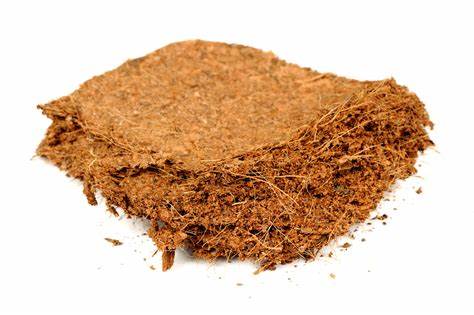
Coco peat, also known as coco coir, is a versatile growing medium made from the husk of coconuts. It is a natural, eco-friendly alternative to traditional soil. Coco peat has excellent water retention properties, ensuring plants receive adequate moisture.
Different Coco Coir Products
- Virgin coco peat is the most common type, extracted from coconut husks without undergoing any treatment.
- Coco chips are larger particles of coconut husk, ideal for improving soil aeration.
- Coco fiber is long strands of coconut husk used for creating potting mixes.
Benefits of Using Coco Peat
- Improved water retention: Coco peat can hold up to eight times its weight in water, reducing the frequency of watering.
- Enhanced aeration: Its fibrous structure promotes airflow within the soil, benefiting root health.
- Eco-friendly: Being a renewable resource, coco peat reduces environmental impact compared to traditional soil.

Steps to Mix Coco Peat with Soil
Preparing the Coco Coir
To start, soak the coco coir in water until it expands and becomes fluffy. This process usually takes about 15-30 minutes. Next, break apart any clumps and ensure the coir is evenly moistened.
When dealing with dry coco coir, remember to add water gradually and mix thoroughly to prevent over-saturation. Properly prepared coco coir should feel light and airy to the touch.
Achieving the Right Consistency
Mix the prepared coco coir with your chosen soil in a large container. Ensure that the mixture is homogeneous by stirring thoroughly. The consistency should be uniform, without any large chunks or dry spots.
A well-mixed coco coir and soil blend will provide optimal aeration and moisture retention, creating an ideal environment for plant roots to thrive.
Determining the Optimal Ratio
The ideal ratio of coco coir to soil depends on the specific needs of your plants. As a general guideline, aim for a mix that consists of about 20-30% coco coir and 70-80% soil.
Experiment with different ratios based on the water retention requirements of your plants. Monitor how well the mixture holds moisture and adjust accordingly for optimal growth.
Benefits of Coco Peat in Soil Mixes
Enhanced Water Retention
Coco peat is excellent at retaining water, ensuring plants receive consistent moisture levels for optimal growth. This property is beneficial, especially in dry climates, preventing soil from drying out quickly.
coco peat helps to reduce watering frequency, saving time and effort for gardeners. By holding onto moisture longer, it supports plant health by providing a steady supply of water when needed.
Improved Aeration for Roots
When mixed with soil, coco peat creates air pockets that facilitate better root aeration. This aeration is crucial for root development, allowing roots to breathe and absorb essential nutrients efficiently.
The lightweight nature of coco peat also prevents soil compaction, promoting healthy root growth. This ensures that the roots have room to expand and access nutrients more effectively.
Eco-Friendly Gardening Practices
Using coco peat in soil mixes promotes sustainable gardening practices, as it is a renewable resource. It is made from coconut husks, which are a byproduct of the coconut industry, making it an environmentally friendly choice.
Moreover, coco peat is biodegradable, reducing environmental impact compared to synthetic alternatives. By incorporating coco peat into your gardening routine, you contribute to a greener and more sustainable environment.

Practical Applications in Gardening
Container Gardening Tips
When creating a container garden, ensure proper drainage by mixing coco peat with regular garden soil. The lightweight nature of coco peat aids in easy movement of pots.
To prevent waterlogging, blend coco peat with soil at a 1:1 ratio for optimal moisture retention. This mixture benefits various plants in small spaces.
Seed Starting Techniques
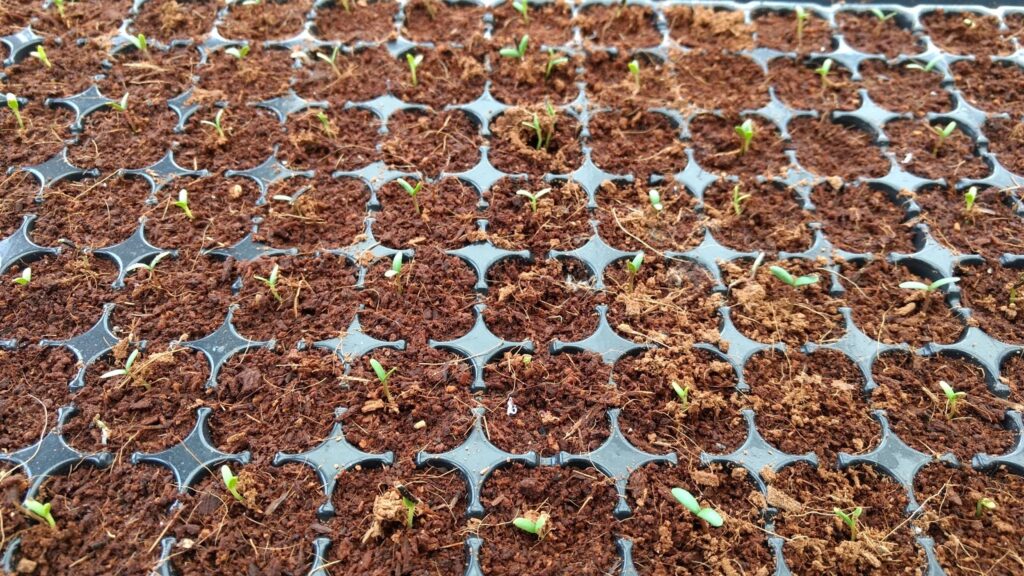
For successful seed germination, use a mixture of coco peat and soil to create a nutrient-rich medium. Coco peat’s ability to hold moisture aids in seedling growth.
Create a well-balanced mix by combining equal parts of coco peat and regular garden soil. This blend offers a conducive environment for seeds to germinate quickly.
- Ensure the seed depth is appropriate for the plant type.
- Maintain consistent moisture levels during the germination process.
Enhancing Garden Beds
When amending garden beds, incorporate coco peat into the existing soil for improved texture and aeration. The addition of coco peat enhances the soil’s ability to retain nutrients.
Mixing coco peat with regular garden soil can help break up heavy clay soils, making it easier for plant roots to penetrate. This combination creates a balanced environment for plant growth.
Tips for Using Coco Peat Mixes
Common Mistakes to Avoid
Mixing traditional peat moss with coco peat can lead to water retention issues in the soil.
Overusing coco peat can result in excessive moisture levels, causing root rot in plants.
Ignoring the need for proper drainage when using coco peat mixes can hinder plant growth.
Best Practices for Use
Blend coco peat with soil in a 1:1 ratio to enhance water retention and aeration.
Prioritize using coco peat mixes for plants that require well-draining soil, like succulents.
Ensure proper watering practices to prevent waterlogging when using coco peat in gardening.
Storage and Maintenance Tips
Store coco peat in a cool, dry place away from direct sunlight to maintain its quality.
Regularly fluff and aerate stored coco peat to prevent compacting and improve its water-holding capacity.
Check for any signs of mold or pests in stored coco peat and discard if necessary to avoid contamination.
Closing Thoughts
In summary, understanding how to mix coco peat with soil can significantly enhance your gardening experience. By following the simple steps outlined and incorporating coco peat into your soil mixes, you can reap the numerous benefits it offers, such as improved water retention and aeration for healthier plant growth. The practical applications in gardening are vast, and with the tips provided, you can effectively use coco peat mixes to elevate your gardening game.
Now that you have a comprehensive guide on utilizing coco peat in your gardening endeavors, why not roll up your sleeves and give it a try? Experiment with different ratios, observe the results, and tailor your approach to suit your plants’ needs. With this newfound knowledge, you are well-equipped to create thriving and lush green spaces that will be the envy of all your neighbors.
Frequently Asked Questions
How does coco peat benefit soil when mixed together?
Coco peat enhances soil aeration, water retention, and nutrient absorption, promoting healthier plant growth. Its ability to improve soil structure and moisture levels makes it an excellent addition to various soil mixes for gardening.
Can coco peat be used alone or should it always be mixed with soil?
While coco peat can be used as a standalone growing medium, it’s beneficial to mix it with soil for better overall plant growth. When blended with soil, coco peat helps improve soil structure, drainage, and water retention, creating an ideal environment for plants.
Is coco peat suitable for all types of plants in gardening?
Coco peat is versatile and suitable for a wide range of plants, including vegetables, herbs, flowers, and ornamentals. Its ability to retain moisture while providing good aeration makes it an excellent choice for most potted plants and garden beds.
How should one mix coco peat with soil effectively?
To mix coco peat with soil, combine the desired ratio of coco peat and soil thoroughly until well integrated. Ensure the mixture is homogenous to provide consistent benefits to your plants. Adjust the ratio based on the specific needs of your plants and gardening conditions.
Are there any specific tips for using coco peat mixes in gardening?
When using coco peat mixes, ensure proper hydration by soaking the mixture before planting. Monitor moisture levels regularly to prevent overwatering. Consider adding organic fertilizers to supplement nutrients as coco peat itself is low in essential plant nutrients.
If you interest to know more information about coco peat and other coconut derivative products, you can visit our website www.indonesiacocofiber.com . You can also click link WhatsApp here to connect directly with us.