
How to use coco peat effectively is a common question for both beginner and experienced gardeners. Coco peat, also known as coir, is a sustainable and eco-friendly growing medium that has gained popularity in recent years for its numerous benefits. This article will explore how to use coco peat and the advantages it offers for your gardening needs, from improving soil structure to promoting healthier plant growth.

What is Coco Peat?
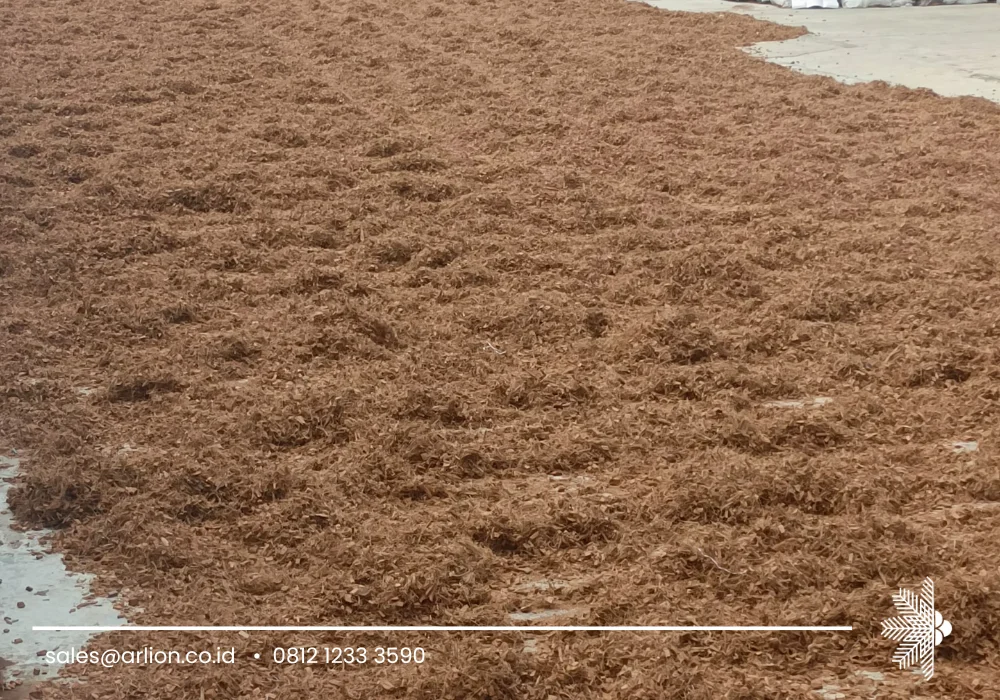
How to use coco peat starts with understanding what it is and why it is a popular choice among gardeners. Coco peat is a natural growing medium derived from the husk of coconuts. It is a byproduct of coconut processing, and it is made by grinding the outer fibers of the coconut into a fluffy, light material. Coco peat is often used as an alternative to soil in gardening, as it offers many benefits such as water retention, aeration, and an improved root environment.
One of the reasons coco peat has become so popular is because it is an environmentally friendly product. Unlike peat moss, which is harvested from bogs and contributes to the destruction of ecosystems, coco peat is a renewable resource and can be recycled or reused.
Benefits of Using Coco Peat
Before learning how to use coco peat, it’s essential to understand its many benefits. These benefits make it an excellent choice for both indoor and outdoor gardening.
1. Water Retention
Coco peat is highly capable of retaining water, which is crucial for plant health, especially in dry climates or areas with inconsistent rainfall. Its structure allows it to hold moisture while still providing excellent drainage, preventing waterlogging and root rot. This feature makes it ideal for container gardening and hydroponic systems, where consistent moisture levels are necessary for plant growth.
2. Improved Aeration
Another significant advantage of how to use coco peat is its ability to improve soil aeration. Coco peat’s structure provides enough space for air to reach the plant roots, which helps prevent compacted soil and ensures that the roots receive sufficient oxygen. This is essential for strong, healthy plant development, as it encourages root growth and prevents diseases caused by poor drainage and excessive moisture.
3. Sustainability
Coco peat is an environmentally friendly option because it is made from the fibrous husk of coconuts, a renewable resource. It is biodegradable and can be safely composted when no longer in use. Using coco peat helps reduce reliance on non-renewable resources like peat moss, making it a great choice for sustainable gardening practices.
4. Rich in Nutrients
Coco peat is naturally rich in essential nutrients that support plant growth. It contains potassium, calcium, and magnesium, which are vital for plant health. In addition to these macronutrients, coco peat also has a slightly acidic pH, making it suitable for a wide range of plants. However, it’s important to remember that coco peat does not contain all the nutrients needed for plant growth, so supplementing with fertilizers is still necessary for optimal plant health.
How to Use Coco Peat in Your Garden
Now that you understand the benefits of coco peat, let’s look at how to use coco peat effectively for your gardening projects.
1. Hydrating Coco Peat
Coco peat typically comes in compressed bricks or blocks that need to be hydrated before use. To begin, break the coco peat into pieces and soak it in water for 20 to 30 minutes. The fibers will expand and turn into a soft, fluffy material that’s ready to use. After soaking, fluff the coco peat with a fork to break up any large clumps and ensure it’s evenly distributed.
2. Mixing Coco Peat with Other Growing Mediums
While coco peat is an excellent growing medium on its own, it is often mixed with other materials, such as perlite, vermiculite, or compost, to improve drainage and enhance the nutrient content. A common mix is 70% coco peat and 30% perlite, which provides both moisture retention and aeration. If you’re growing plants that require specific soil conditions, you can adjust the mix to suit those needs.
3. Using Coco Peat for Container Gardening
Coco peat is perfect for container gardening because of its water retention and aeration properties. When planting in containers, simply fill the container with hydrated coco peat, leaving space at the top for watering. You can plant flowers, herbs, vegetables, or even small fruit plants in coco peat. Be sure to monitor water levels, as the medium tends to retain moisture well, reducing the need for frequent watering.
4. Using Coco Peat for Seed Starting
Coco peat is also an excellent medium for starting seeds. The fine texture of coco peat makes it ideal for delicate seeds that need a light, airy environment to sprout. To use coco peat for seed starting, fill seed trays or pots with hydrated coco peat, sow your seeds according to the instructions, and gently press them into the surface. Keep the soil moist but not waterlogged, and provide adequate light for germination.
5. Improving Soil Quality
If you have garden soil that is heavy or clay-like, you can use coco peat to improve its structure. Mix coco peat into your garden beds to increase aeration and water retention. It helps break up compacted soil and provides a more favorable environment for plant roots. The organic nature of coco peat also adds beneficial microbes to the soil, which improves overall soil health.

Conclusion
How to use coco peat is a simple and effective way to improve your gardening experience. Coco peat provides excellent water retention, aeration, and sustainability, making it an ideal choice for a wide range of gardening applications. Whether you are starting seeds, growing plants in containers, or improving your soil, coco peat offers numerous benefits that can enhance plant health and yield.
For more information on how to use coco peat or to purchase coco peat products, feel free to contact us via WhatsApp at (+62) 812-1233-3590 or email us at sales@arlion.co.id. We are here to assist you with your gardening needs.