
rice hull for soil is increasingly recognized as an important organic material in modern agriculture as farmers and horticulture industries seek sustainable solutions to improve soil structure and plant growth. Derived from the outer protective layer of rice grains, rice hulls are an abundant agricultural byproduct that was once considered waste. Today, their application in soil management is gaining global attention due to their ability to enhance aeration, drainage, and overall soil health. As sustainable farming practices continue to expand, rice hull for soil has become a key component in eco-friendly cultivation systems.
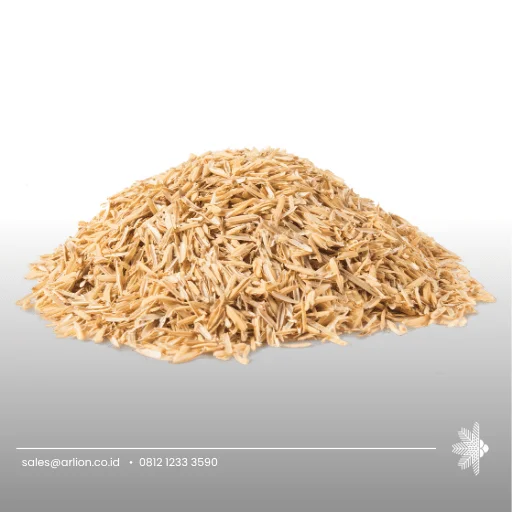
Growing Demand for Organic Soil Amendments
The agricultural sector is undergoing a transformation toward more sustainable and environmentally friendly practices. Synthetic soil additives are gradually being replaced by natural alternatives that improve long-term soil fertility.
Rice hulls are one of the most accessible and cost-effective organic materials used in this transition.
Shift Toward Sustainable Farming Practices
Farmers are increasingly adopting organic and regenerative farming methods to reduce chemical usage and improve soil biodiversity. These practices aim to maintain long-term productivity without degrading natural resources.
This shift has significantly increased the importance of rice hull for soil in both small-scale and commercial farming systems.
Utilization of Agricultural Byproducts
Agricultural waste management has become a major global concern. Instead of discarding rice hulls, they are now repurposed into valuable soil amendments.
This approach supports circular economy principles and reduces environmental pollution.
Characteristics of Rice Hull in Soil Applications
Rice hulls have unique physical and chemical properties that make them highly suitable for soil improvement. Their lightweight structure and high silica content contribute to better soil performance.
These characteristics make them widely used in horticulture and agriculture.
Soil Aeration and Drainage Improvement
One of the main benefits of rice hulls is their ability to improve soil aeration. Their structure creates air pockets within the soil, allowing plant roots to breathe more effectively.
They also enhance water drainage, preventing soil from becoming waterlogged.
Organic and Biodegradable Material
Rice hulls are completely organic and biodegradable. Over time, they break down and contribute to soil organic matter.
This makes rice hull for soil an environmentally safe and sustainable option for long-term soil management.
Applications in Agriculture and Horticulture
Rice hulls are used in a wide range of agricultural applications, from crop farming to greenhouse cultivation. Their versatility makes them suitable for different soil types and plant requirements.
They are especially popular in high-value crop production.
Use in Potting Mixes and Nurseries
In horticulture, rice hulls are commonly mixed with other organic materials such as compost and coco peat. This combination improves soil texture and supports healthy root development.
Nurseries often rely on rice hull-based mixtures for seedling growth.
Greenhouse and Controlled Farming Systems
Controlled environment agriculture benefits greatly from rice hull applications. They help maintain consistent soil conditions and reduce compaction.
This supports optimal plant growth in greenhouse systems.
Environmental Benefits of Rice Hull Usage
The use of rice hulls in agriculture contributes significantly to environmental sustainability. It reduces waste, improves soil health, and minimizes reliance on synthetic inputs.
These benefits align with global efforts to promote eco-friendly farming practices.
Waste Reduction in Rice Production
Rice production generates large amounts of hull waste annually. Utilizing this material in soil applications helps reduce environmental disposal issues.
This transformation of waste into useful resources supports sustainable agriculture.
Reduction of Chemical Soil Additives
By improving soil structure naturally, rice hulls reduce the need for chemical soil conditioners. This helps lower environmental pollution and soil degradation.
As a result, rice hull for soil is considered a green alternative in modern farming.
Role in Soil Fertility and Plant Growth
Rice hulls indirectly contribute to soil fertility by improving physical soil conditions. While they are not a primary nutrient source, they enhance the effectiveness of fertilizers.
Their role in soil health is both structural and supportive.
Enhanced Root Development
Healthy root systems are essential for plant growth. Rice hulls create a loose soil structure that allows roots to expand easily.
This leads to stronger and more resilient plants.
Improved Nutrient Absorption
By improving soil aeration and moisture balance, rice hulls help plants absorb nutrients more efficiently.
This enhances overall crop productivity and quality.
Economic Impact and Market Growth
The increasing demand for organic farming inputs has created new economic opportunities for rice-producing countries. Rice hulls have become a valuable agricultural byproduct in global trade.
Their use supports both farmers and agricultural industries.
Income Opportunities for Farmers
Farmers can generate additional income by selling rice hulls instead of discarding them. This adds value to rice production systems,rice hull for soil.
It also encourages more efficient use of agricultural resources.
Expanding Global Market Demand
International demand for organic soil amendments continues to grow. Rice hull-based products are being exported for use in horticulture and landscaping industries.
This contributes to the global expansion of sustainable agricultural materials.
Processing and Quality Considerations
Rice hulls undergo minimal processing before being used in soil applications. However, proper handling ensures better performance and safety.
Quality control is important for commercial agricultural use.
Sterilization and Preparation
Before use, rice hulls are often cleaned and sterilized to remove contaminants. This ensures they are safe for plant growth.
Proper preparation improves their effectiveness in soil mixtures.
Particle Size and Application Methods
The size of rice hull particles can influence soil performance. Finer particles blend easily with soil, while coarser ones improve drainage,rice hull for soil.
This flexibility makes rice hull for soil suitable for various agricultural needs.
Future Outlook of Rice Hull Applications
The future of rice hull usage in agriculture is expected to grow as sustainable farming practices become more widespread. Innovation and research will further expand its applications.
This will strengthen its role in global agricultural systems,rice hull for soil.
Integration into Modern Farming Technologies
Advanced farming systems, including hydroponics and vertical farming, are exploring the use of rice hull-based materials. These systems benefit from improved root support and moisture control.
Such innovations increase the value of rice hull applications.
Long-Term Sustainability Trends
Global agriculture is moving toward low-impact and resource-efficient systems. Rice hulls align perfectly with these goals due to their renewable and biodegradable nature.
As a result, rice hull for soil will continue to play an important role in sustainable agriculture development worldwide.
In conclusion, rice hulls represent a simple yet powerful solution for improving soil quality and supporting sustainable farming practices. Their environmental benefits, agricultural efficiency, and economic value make them an essential component of modern soil management systems.
For further information rice hull for soil, you may contact WhatsApp (+62) 812-1233-3590 or via email at sales@arlion.co.id.

- Coco Peat Low EC: A Reliable Growing Medium for Modern Agriculture
- Vanilla: A Versatile Natural Ingredient for Global Industries
- Coconut Shell Charcoal: A Sustainable Carbon Solution for Global Markets
- Rice Husk Ash: A Sustainable Material for Construction and Industrial Applications
- Palm Shells: A Renewable Biomass Resource for Sustainable Industries