
The use of rope from coir has gained renewed attention due to the increasing global demand for sustainable and eco-friendly materials. Coir rope, derived from coconut husk fiber, is not only biodegradable but also highly durable, making it a preferred choice in agriculture, construction, and marine industries. In this article, we explore the production, benefits, and various applications of coir rope.

What is Rope from Coir?
Rope from coir is made by extracting natural fibers from the outer husk of coconuts. These fibers, known as coir, are coarse, strong, and resistant to saltwater, making them ideal for rope manufacturing. The process involves retting the husks, extracting the fibers, drying them, and then spinning or twisting them into ropes of various thicknesses.
Coir ropes are used traditionally in coastal regions, but today, they are gaining popularity in different sectors due to growing environmental concerns and the shift toward renewable materials.
How Coir Rope is Made
1. Fiber Extraction
The journey of making rope from coir begins with the collection of coconut husks. The husks are soaked in water for weeks to loosen the fibers—a process called retting. Once the fibers are separated, they are washed and dried in the sun.
2. Spinning and Twisting
After drying, the fibers are spun into yarns using manual or mechanical spinning machines. These yarns are then twisted into ropes of different diameters, depending on their intended use. The traditional hand-twisting method is still used in many rural areas, preserving artisanal skills and providing employment.
3. Quality Testing
To ensure strength and durability, coir ropes undergo quality testing. These tests evaluate tensile strength, flexibility, and resistance to elements like moisture and UV rays. High-quality rope from coir can last for several years even in harsh environments.
Advantages of Using Coir Rope
1. Environmentally Friendly
One of the biggest advantages of rope from coir is its eco-friendly nature. Being completely biodegradable, coir rope decomposes naturally and does not contribute to pollution or harm wildlife.
2. Strong and Durable
Despite being a natural product, coir rope is exceptionally strong. It holds up well under tension and is resistant to wear and tear. This makes it suitable for heavy-duty applications such as mooring boats or supporting agricultural plants.
3. Water and Salt Resistant
Coir has a unique resistance to saltwater and moisture, making it perfect for marine uses, dock work, or erosion control in coastal areas.
4. Affordable and Renewable
Coconuts are abundant in tropical regions, and their husks are a by-product of the food industry. Utilizing them to produce rope from coir adds value to what would otherwise be agricultural waste, making it both cost-effective and sustainable.
Common Applications of Coir Rope
1. Agriculture
Farmers use rope from coir to tie plants, support vines, and create natural trellises. It’s also used in coir netting for erosion control and mulching.
2. Marine and Dock Work
Due to its resistance to seawater, coir rope is ideal for marine applications such as mooring small boats, tying fishing nets, and securing docks.
3. Landscaping and Construction
Coir ropes are used in erosion control projects, especially on hillsides and riverbanks. They help hold soil in place while allowing vegetation to grow, aiding in long-term environmental restoration.
4. Handicrafts and Decoration
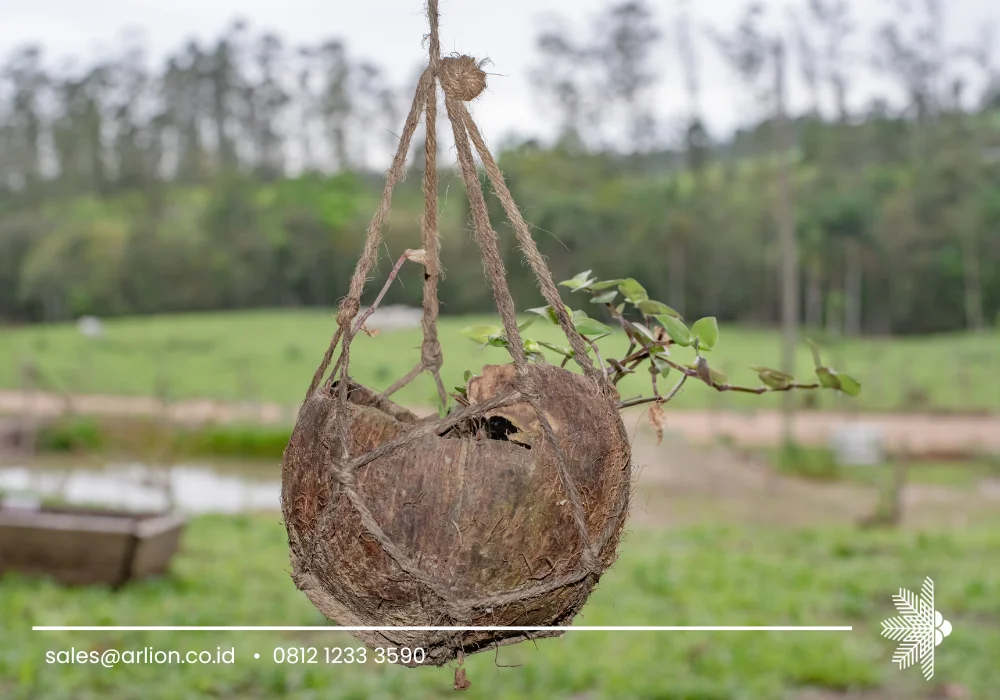
In the craft industry, coir rope is used for making decorative items like baskets, mats, and hanging plant holders. It adds a rustic and natural touch to home decor.
Choosing Quality Coir Rope
When selecting rope from coir, it’s essential to consider:
- Fiber length and consistency: Longer fibers result in stronger rope.
- Twist and ply: The more tightly twisted the rope, the higher its tensile strength.
- Intended use: Choose thickness and strength based on whether it’s for indoor decor, gardening, or industrial use.
Make sure to buy from trusted suppliers who adhere to quality standards. High-quality coir rope can significantly outperform synthetic alternatives in the long run.
Conclusion
As global awareness of sustainable materials grows, rope from coir stands out as a reliable, eco-friendly, and versatile option. Whether you’re a farmer, landscaper, or someone looking for biodegradable solutions, coir rope offers strength, durability, and minimal environmental impact.
For premium-quality coir rope and expert consultation, don’t hesitate to reach out. Contact us via WhatsApp or email us at sales@arlion.co.id. We are ready to support your sustainable material needs with high-grade products and excellent service.