

The use of coconut coir for plants has gained significant popularity among gardeners and plant enthusiasts in recent years, thanks to its numerous benefits and versatile applications. Derived from the fibrous husks of coconuts, coconut coir serves as an excellent alternative to traditional soil mediums, offering a host of advantages that promote healthy plant growth and vitality.
Exploring the Use of Coconut Coir for Plants
One of the key benefits of using coconut coir for plants is its exceptional water retention capabilities coupled with excellent aeration properties. Coconut coir has the ability to absorb and retain water efficiently, ensuring that plant roots remain consistently hydrated. At the same time, its fibrous structure promotes optimal aeration within the root zone, preventing soil compaction and allowing roots to breathe. This balance of moisture retention and aeration creates an ideal growing environment for plants, supporting robust root development and overall growth.
Reduced Risk of Overwatering and Underwatering
Another advantage of using coconut coir for plants is its ability to mitigate the risks of both overwatering and underwatering. Unlike traditional soil mediums, which can either hold too much water or drain too quickly, coconut coir maintains a balanced level of moisture that is conducive to healthy plant growth. Its water retention properties ensure that plants have access to a steady supply of moisture, reducing the need for frequent watering. Additionally, coconut coir’s structure allows excess water to drain away easily, preventing waterlogged conditions that can lead to root rot and other plant ailments. As a result, plants grown in coconut coir are less susceptible to the adverse effects of overwatering and underwatering, leading to healthier and more resilient specimens.
Natural and Sustainable Growing Medium
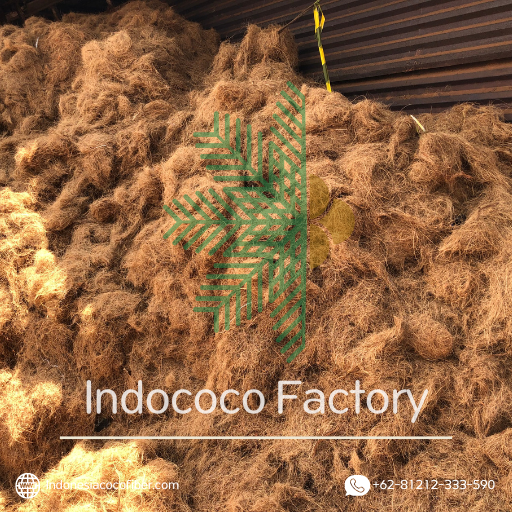
Using coconut coir for plants also aligns with principles of sustainability and environmental stewardship. Coconut coir is a renewable resource that is derived from the byproducts of coconut harvesting, making it an eco-friendly alternative to peat moss, which is often sourced from sensitive wetland ecosystems. By utilizing coconut coir as a growing medium, gardeners can reduce their environmental footprint and support more sustainable gardening practices. Additionally, coconut coir is biodegradable and can be composted after use, further minimizing waste and promoting circularity in gardening operations. Overall, the use of coconut coir for plants offers a natural and sustainable solution that benefits both gardeners and the environment.
Versatility in Planting Applications
The versatility of coconut coir for plants extends beyond its use as a standalone growing medium. It can be mixed with other soil amendments such as perlite, vermiculite, or compost to create custom potting mixes tailored to specific plant needs. This flexibility allows gardeners to adjust the texture, drainage, and nutrient content of the growing medium to suit the requirements of different plant species. Additionally, coconut coir can be used in various planting applications, including seed starting, transplanting, and propagation. Its fine texture and gentle composition provide an ideal environment for seed germination and root development, giving plants a healthy start to life.
pH Neutral and Nutrient-Rich
Coconut coir for plants is pH neutral, meaning it has a balanced pH level that falls within the optimal range for most plants. This neutrality reduces the need for pH adjustment and helps create a stable growing environment that supports healthy plant growth. Furthermore, coconut coir naturally contains some essential plant nutrients, including potassium, magnesium, and calcium, which are released slowly over time as the coir decomposes. While coconut coir alone may not provide all the nutrients plants need for vigorous growth, it serves as an excellent base medium that can be supplemented with additional fertilizers or organic amendments as required.
Long-Lasting and Reusable
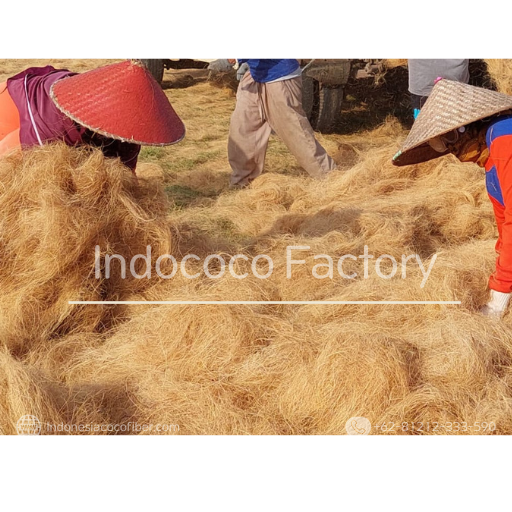
Another advantage of use of coconut coir for plants is its longevity and reusability. Unlike traditional soil mediums, which may degrade over time and require replacement, coconut coir remains stable and intact for multiple growing seasons. After harvesting a crop or completing a planting cycle, coconut coir can be easily refreshed by amending it with compost or organic fertilizers and reused for subsequent plantings. This not only saves money and resources but also reduces waste and minimizes the environmental impact of gardening activities.
Supports Sustainable Agriculture Practices
Overall, the use of coconut coir for plants aligns with principles of sustainable agriculture and responsible gardening. By opting for coconut coir as a growing medium, gardeners can contribute to soil conservation, water conservation, and biodiversity preservation. Use of coconut coir production has a lower environmental footprint compared to other soil mediums, making it a more sustainable choice for gardeners seeking to minimize their impact on the planet. Furthermore, coconut coir’s versatility, longevity, and nutrient-rich properties make it a valuable asset in promoting healthy plant growth and achieving successful harvests in both home gardens and commercial agricultural operations.
If you interest to know more information about coco peat and other coconut derivative products, you can visit our website https://indonesiacocofiber.com/ . You can also click link WhatsApp https://wa.me/6281212333590 (Ms. Maria) to connect directly with us.