
Natural coir rope is made from coconut husk fibers, processed in a natural way to create a strong and eco-friendly rope. This material has been used for centuries in different industries, from agriculture to household applications, due to its durability and versatility. In this article, we will explore the uses, benefits, and innovations of natural coir rope and why it has become an essential product in various sectors.
What is Natural Coir Rope?
Natural coir rope is a type of rope derived from the fibrous husk of coconuts. The fibers are carefully processed and twisted to form a strong, durable, and flexible rope. Unlike synthetic ropes, which are made from plastic or other chemicals, natural coir rope is biodegradable and does not harm the environment. It has a natural brown color and is resistant to water, making it ideal for outdoor applications.
The production process of natural coir rope begins with extracting the coconut fibers from the outer shell of the coconut. These fibers are then dried and twisted together to create the rope. The resulting product is strong, long-lasting, and capable of withstanding harsh weather conditions.
Benefits of Using Natural Coir Rope
1. Environmentally Friendly
One of the key advantages of natural coir rope is its environmental sustainability. Unlike synthetic ropes that contribute to plastic pollution, coir rope is made from renewable resources. The fibers used in its production are biodegradable, meaning they break down naturally over time, reducing the environmental impact.
Using natural coir rope instead of plastic or synthetic ropes helps decrease the amount of non-biodegradable waste, making it a more eco-friendly option for various applications. This is particularly important in industries like agriculture and construction, where ropes are used extensively.
2. Durability and Strength
Another significant benefit of natural coir rope is its strength and durability. Coir rope is known for its ability to withstand heavy loads and resist wear and tear, making it suitable for demanding tasks. It is also highly resistant to saltwater, which makes it an excellent choice for marine and coastal applications.
Coir rope is capable of enduring tough weather conditions, including rain, sun, and wind, without losing its strength. This makes it perfect for use in outdoor environments such as gardens, farms, and construction sites.
3. Flexibility and Ease of Use
Natural coir rope is also highly flexible, making it easy to work with and adapt to different applications. Whether it’s used for tying, securing, or hanging, the rope can be easily manipulated to fit various needs. It is also easier to cut and tie than synthetic ropes, allowing for greater customization.
This flexibility makes natural coir rope suitable for a wide range of uses, from simple household tasks to complex industrial operations.
4. Aesthetic Appeal
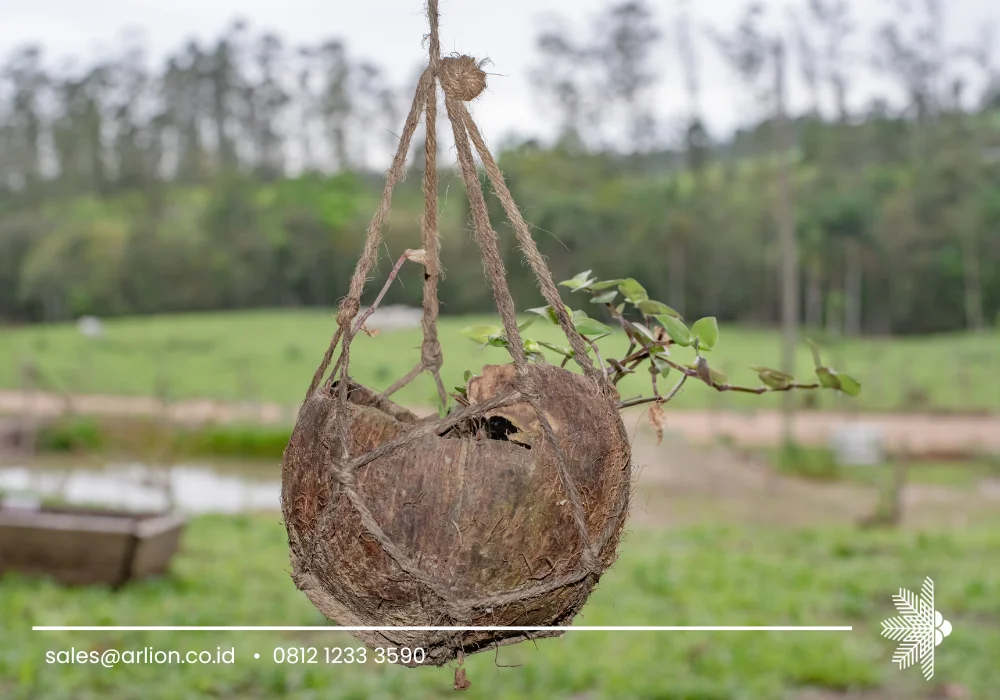
In addition to its functional benefits, natural coir rope also has aesthetic value. The natural brown color of the coir adds a rustic, organic look to products, which makes it popular in home décor and craft projects. Many people use coir rope to create decorative items such as baskets, rugs, or wall hangings, adding a touch of nature to their living spaces.
This aesthetic appeal, combined with the rope’s strength and durability, makes it an ideal choice for both functional and decorative purposes.
Applications of Natural Coir Rope
1. Agricultural Use
Natural coir rope is widely used in agriculture for supporting climbing plants and vines. It helps plants grow vertically, saving space and improving crop yields. Coir ropes are commonly used in gardening for tomatoes, cucumbers, and beans, allowing these plants to grow in a more organized manner.
Coir rope is also used for staking young plants, ensuring they grow upright and remain healthy. Its strength and resistance to the elements make it a preferred choice for farmers and gardeners alike.
2. Marine and Nautical Industries
In the marine industry, natural coir rope is often used for various applications, such as securing boats, docks, and other marine equipment. The rope’s ability to resist saltwater damage and its durability in harsh conditions make it ideal for marine environments.
Coir ropes are also used for making mooring lines, ropes for sailing, and even in shipbuilding. They are resistant to rot and maintain their strength even when exposed to seawater.
3. Home and Craft Projects
Natural coir rope is a popular material for DIY enthusiasts and craft lovers. It is commonly used in making home décor items such as rugs, table mats, and decorative baskets. Additionally, it is used in creating outdoor furniture and accessories like hammocks and garden ropes.
The natural look of coir rope enhances the aesthetic appeal of these products, giving them a rustic and eco-friendly vibe.
4. Construction and Heavy Duty Applications
In the construction industry, natural coir rope is often used to secure materials, reinforce structures, or even tie down scaffolding. Its strength makes it suitable for holding heavy materials in place during construction and renovation projects.
Due to its durability and resistance to environmental factors, coir rope is also used in landscaping and erosion control to secure soil and plants in place.
Conclusion
Natural coir rope is a versatile, eco-friendly, and durable product with numerous applications in agriculture, construction, home décor, and more. Its strength, resistance to weather conditions, and biodegradability make it an excellent choice for individuals and industries looking for sustainable alternatives to synthetic materials.
If you are interested in purchasing natural coir rope or learning more about its uses, feel free to contact us through WhatsApp or via email at sales@arlion.co.id. We are happy to provide you with more information and assist with your needs.